You hear “feels like 5 below” and picture frostbite within minutes. That fear is only half right.
Frostbite needs the actual air temperature below freezing, not the wind chill number. Wind chill alone cannot do that job.
The number worth watching is the actual air temperature, not the “feels like” reading.
A quick note before going on.
None of this is medical advice.
Circulation problems, a heart condition, or simply being new to cold-weather activity all change the calculation. Check with your doctor first if any of that applies, and check the local forecast before you head out either way.
What wind chill actually tells you
Wind chill describes how fast exposed skin loses heat. It does not lower the thermometer.
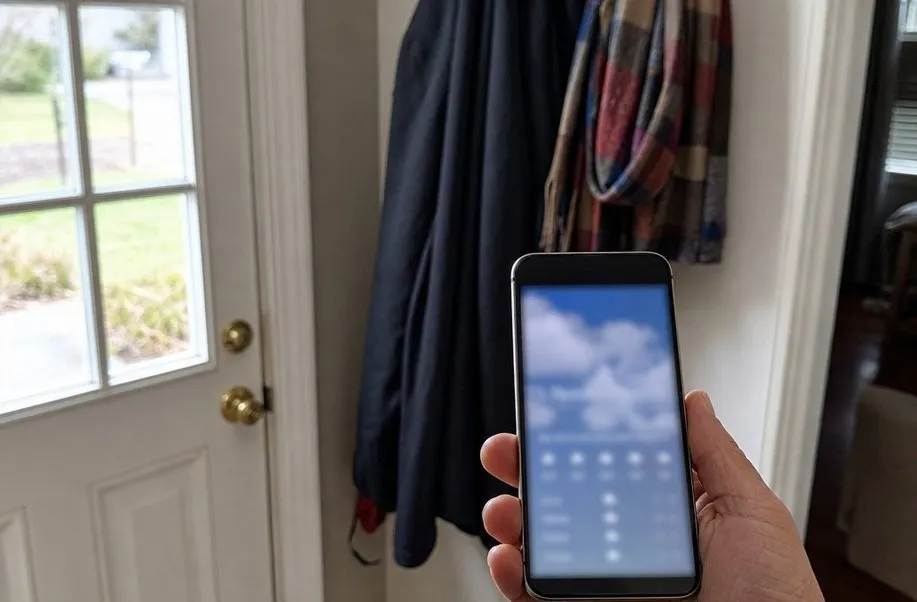
According to the National Weather Service, frostbite requires the actual air temperature near the skin, not the wind chill temperature, to be below freezing.
If the thermometer reads 40 and the wind makes it “feel like” 28, frostbite still is not the risk that hour.
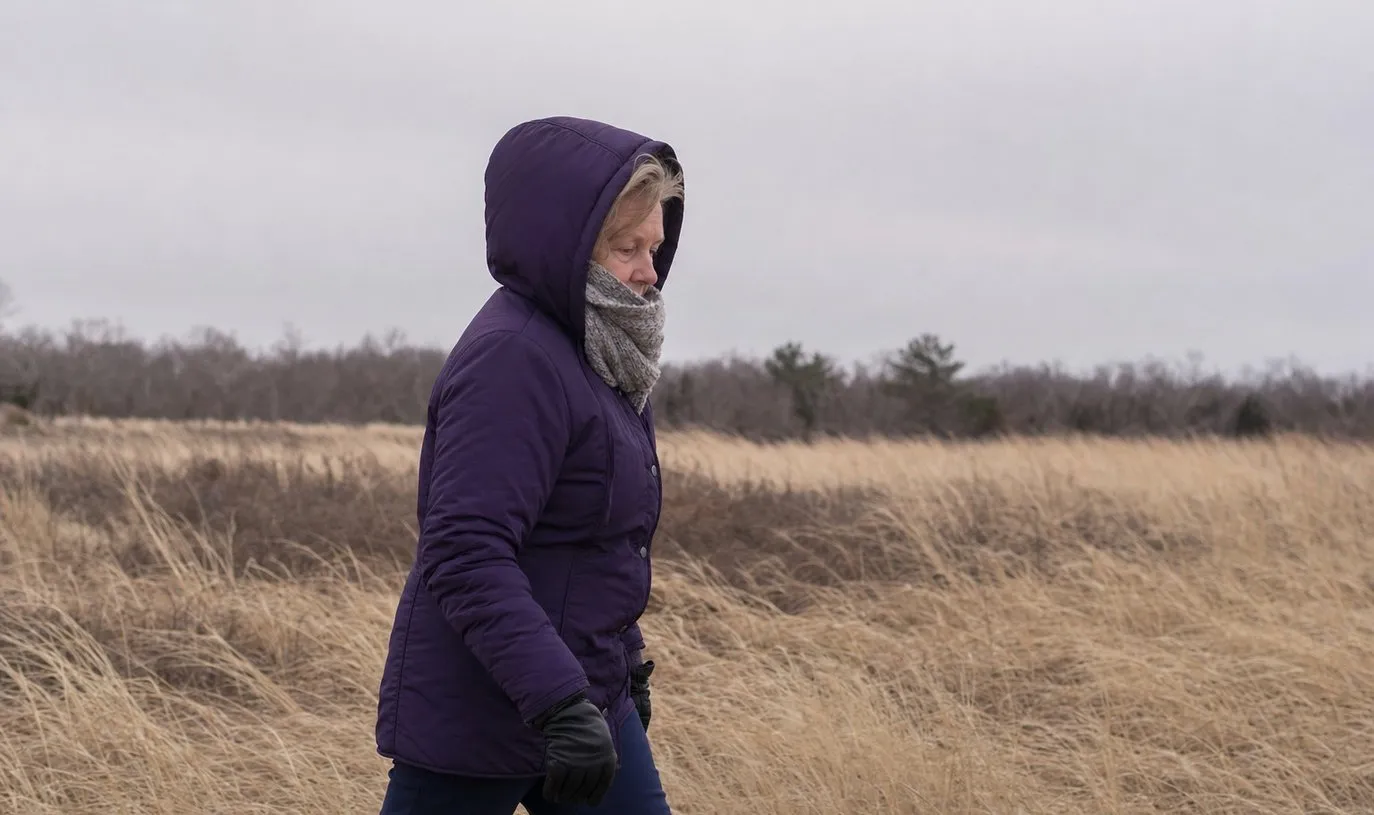
A wind chill warning on a mild day is a comfort problem, not a frostbite problem. Your face stings, your hands ache, and neither one means tissue damage is starting.
That does not mean the wind is harmless. It just means the number on its own does not answer the safety question.
The National Weather Service is clear that hypothermia can still happen from cold exposure even when frostbite cannot.
What actually threatens you out there
Cold risk after 60 is less about one number and more about three things stacking up.
- How long you are exposed. A brisk 20 minute loop and a slow 90 minute one for the shot are different risks even at the same temperature.
- Wind. It strips heat fast, especially on an open ridge or an unsheltered lakeshore where you would want to set up a shot anyway.
- Wet. Snow that gets into a glove, a boot that soaks through, or sweat cooling under a jacket all pull heat out fast. Dry cold air is much more forgiving.
Wet is the one people forget to plan for.
According to the National Institute on Aging, hypothermia is a real risk for older adults, and it does not require freezing temperatures to start. Cool, damp, windy weather can do it too.
That reframes the question. It is not “is it below freezing,” it is “how long will you be exposed to wind and wet at this temperature.”
Layering matters here more than any single number does. The National Institute on Aging’s guidance points to dressing in layers and staying dry as basic protection against cold weather. Most hikers already dress that way for a long outing anyway.
If you are also managing footing on snow or ice that day, that is a separate question with its own answer.
This piece stays on the cold itself. A separate guide covers what actually keeps you upright on icy trails.
Shooting walk or short walk
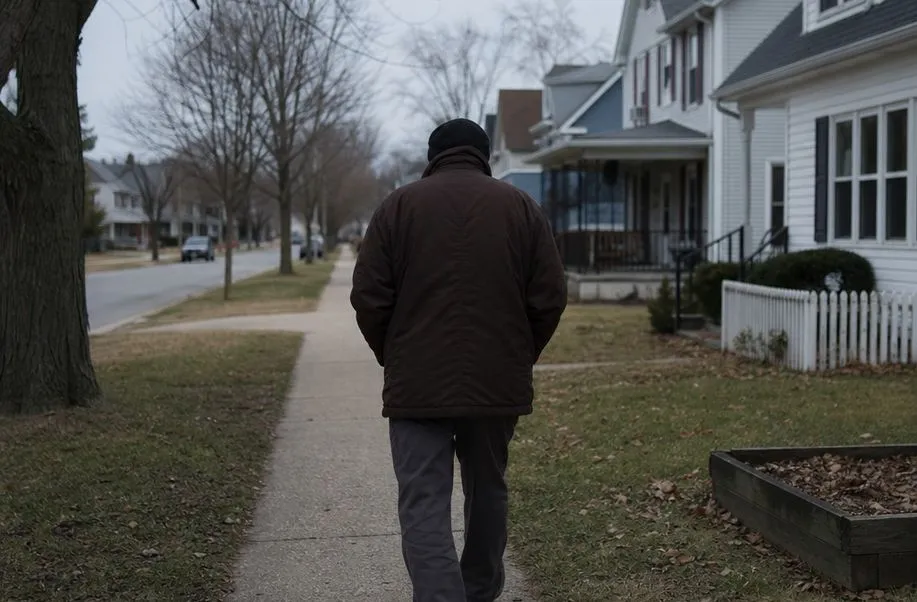
Most winter mornings do not need a hard yes or no. They need an honest read of the conditions.
Ask three questions before you decide how far to go:
- Is the air temperature itself near or below freezing, not just the wind chill?
- Will you be exposed to open wind for most of the route, or is there shelter along the way?
- Is anything going to get wet, your gloves, your boots, or your base layer under a jacket?
A yes to two or more of those is a short-walk day, not a scrapped one. Stay closer to the car, keep the loop tight, and take the shot you can get without lingering.
A “no” to all three is usually a normal walk with an extra layer. The photography does not suffer either way.
The light does not disappear on a short walk.
Long shadows and low winter light are some of the best conditions a phone camera gets all year. A shorter, better-planned walk still gets you that light.
Watch how you feel more than the clock or the forecast. Head back regardless of the thermometer if you notice:
- Numb fingers or toes
- Uncontrolled shivering
- Feeling unusually tired or clumsy
Cold-injury signs are rarely subtle once you notice them.
Making winter part of the habit
Walking and hiking with a camera gives the walk a purpose, which is how the habit sticks. That holds just as true at 30 degrees as it does in June.
Going out all year is a habit rather than an act of willpower, and a short safe outing is enough. That is truer in January than in any other month, when it is easiest to just stay in.
A ten minute walk to the end of the block still counts. So does turning around early once you have the shot you came for.
Small outings add up more than people expect.
The camera still gives the walk a reason to happen.
Staying consistent through the cold months is the harder part for a lot of people. There is more about pushing past the excuses that keep people inside all winter.
The camera still gives the walk a reason to happen. It is also, most winters, a fairly reliable way to keep moving when the couch is winning.
The choice does not have to happen from the couch.
So the real question at the door on a cold morning is not the wind chill number at all. It is whether today calls for the long route with the camera, or the short one that still gets you outside.