Most people have a full list of excuses.
Too old to start. Too stiff to enjoy it. Too busy with other things. Too cold in winter to bother going out.
The excuses were real. The reasoning behind them was not.
What changes things is not a program. It is one honest look at how you feel after sitting still too much, versus how you feel after a walk.
The Excuse That Almost Stuck
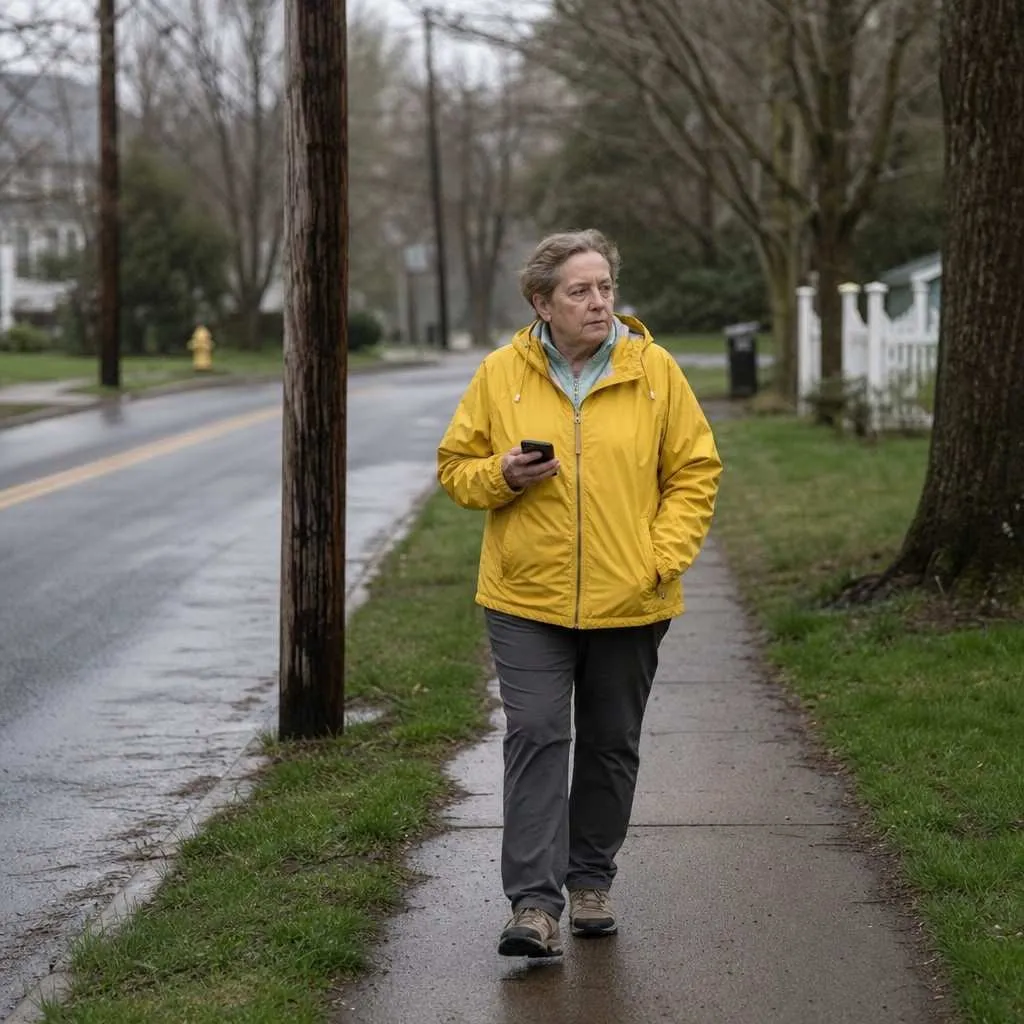
The “I’m too old for this” feeling is a strange one.
It is not entirely wrong. Things do change at 60. Recovery takes longer. Some mornings feel stiffer than others.
But “things change” is not the same as “you’re done.”
Moving regularly can make the stiff mornings less frequent. Not because the activity is intense. Just because you are moving.
Starting is the hardest part. After about a week of short, regular walks, keeping the habit going gets much easier on its own.
Starting Small Actually Works
No plan is needed. Start with a walk around the block.
That is all. One loop, maybe ten minutes. Come home feeling fine, not wiped out.
Short and consistent beats ambitious and short-lived.
A few weeks of that and the walks get longer without any real decision to make them longer. The body adjusts. Things that felt like mild effort start feeling ordinary.
This lines up with what general guidance on activity for older adults tends to say. Even moderate, regular movement adds up. Before starting anything new, especially if you have existing health conditions, check with your doctor first.
What Actually Made It Stick
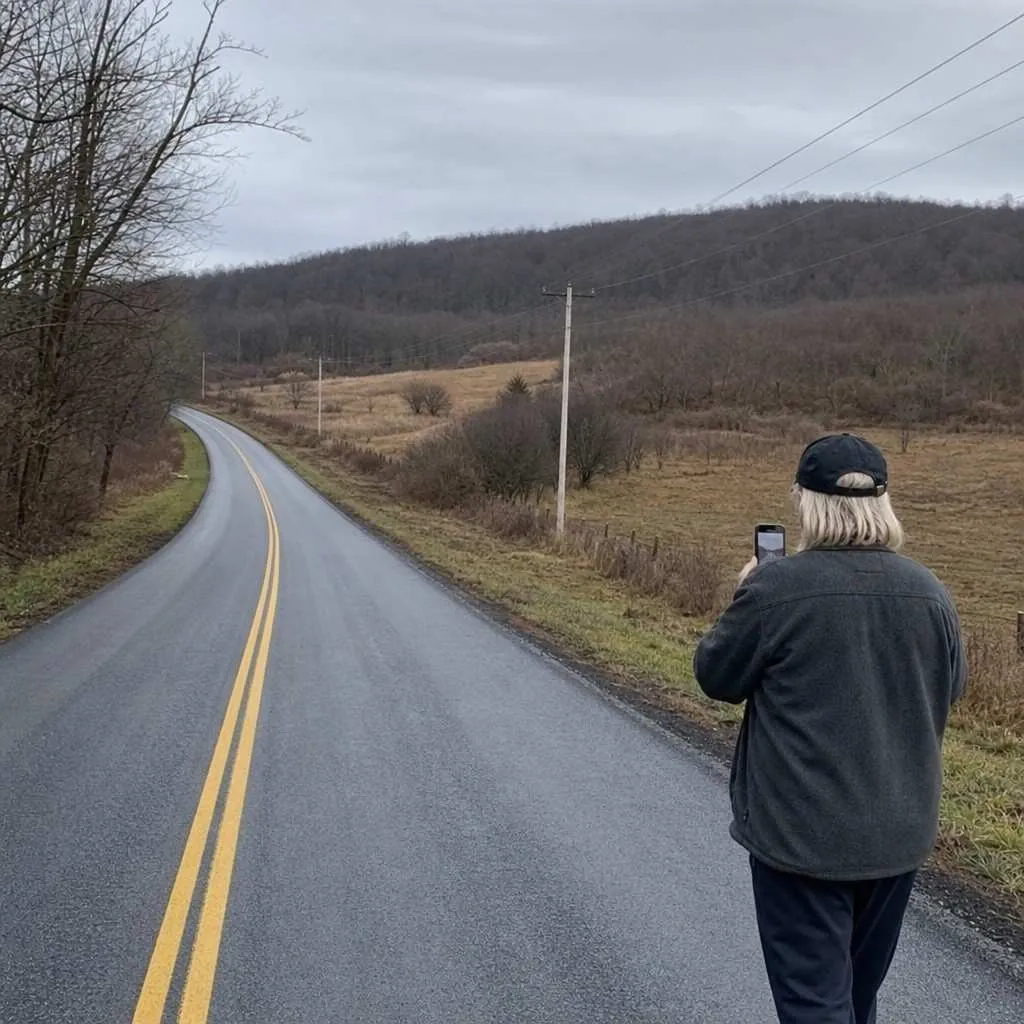
Then something changes.
Bring a camera.
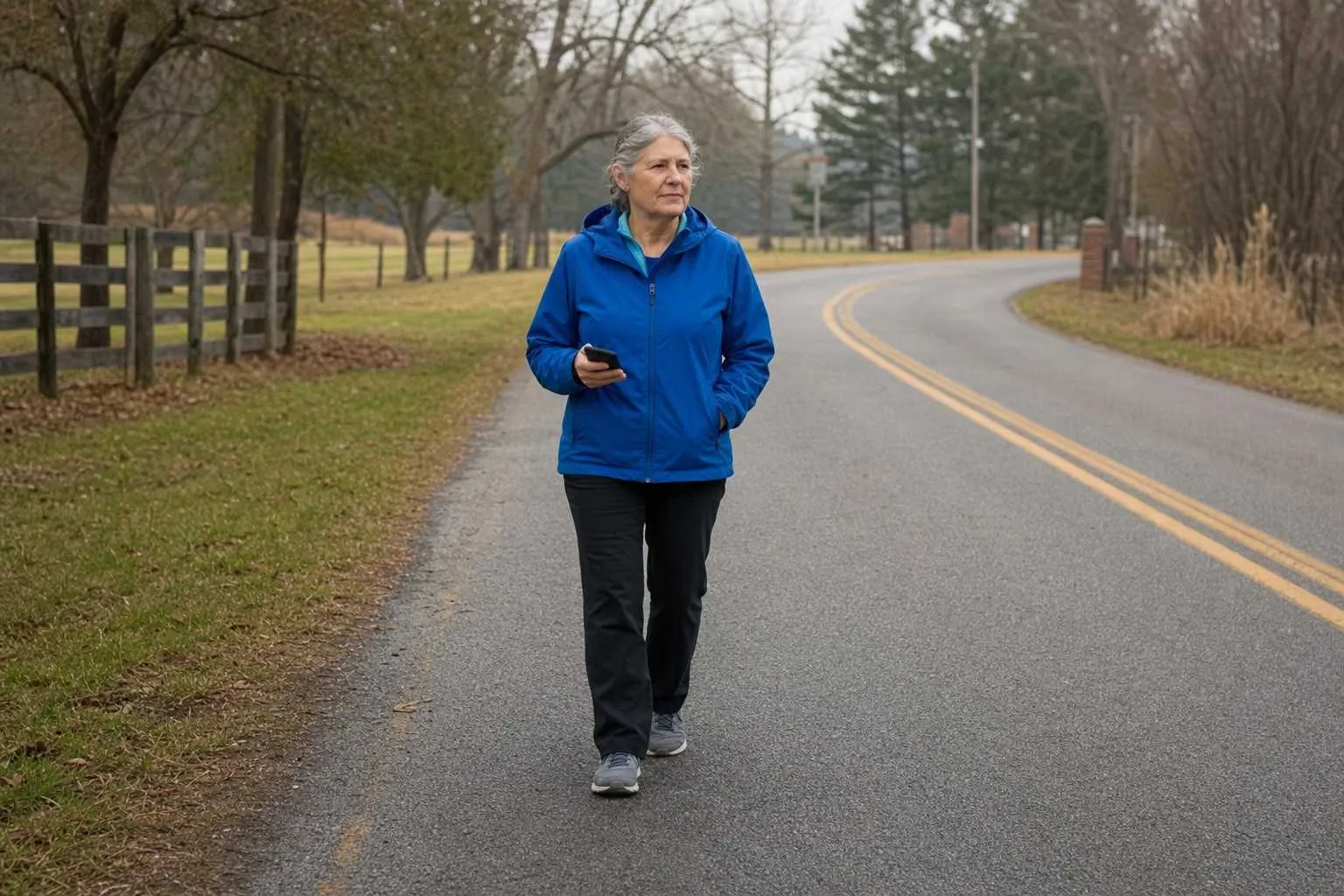
Or rather, your phone. Same thing for most of us.
Start paying attention to the light on the water, or the way a trail looks in early morning, or a bird that stops being shy long enough for a shot.
Camera in hand, the walk has a purpose, which explains a good deal of why the habit sticks.
A walk with nowhere to go feels tedious. The same walk with something to look for feels like something you chose to do.
There is a piece about how the walking and photography habit reinforces itself that gets into the mechanics of why the two work so well together.
And if you want to get more out of what you are shooting, outdoor photography for people getting started later in life covers the practical side without assuming you own anything fancier than a smartphone.
Getting Past the Seasonal Excuses
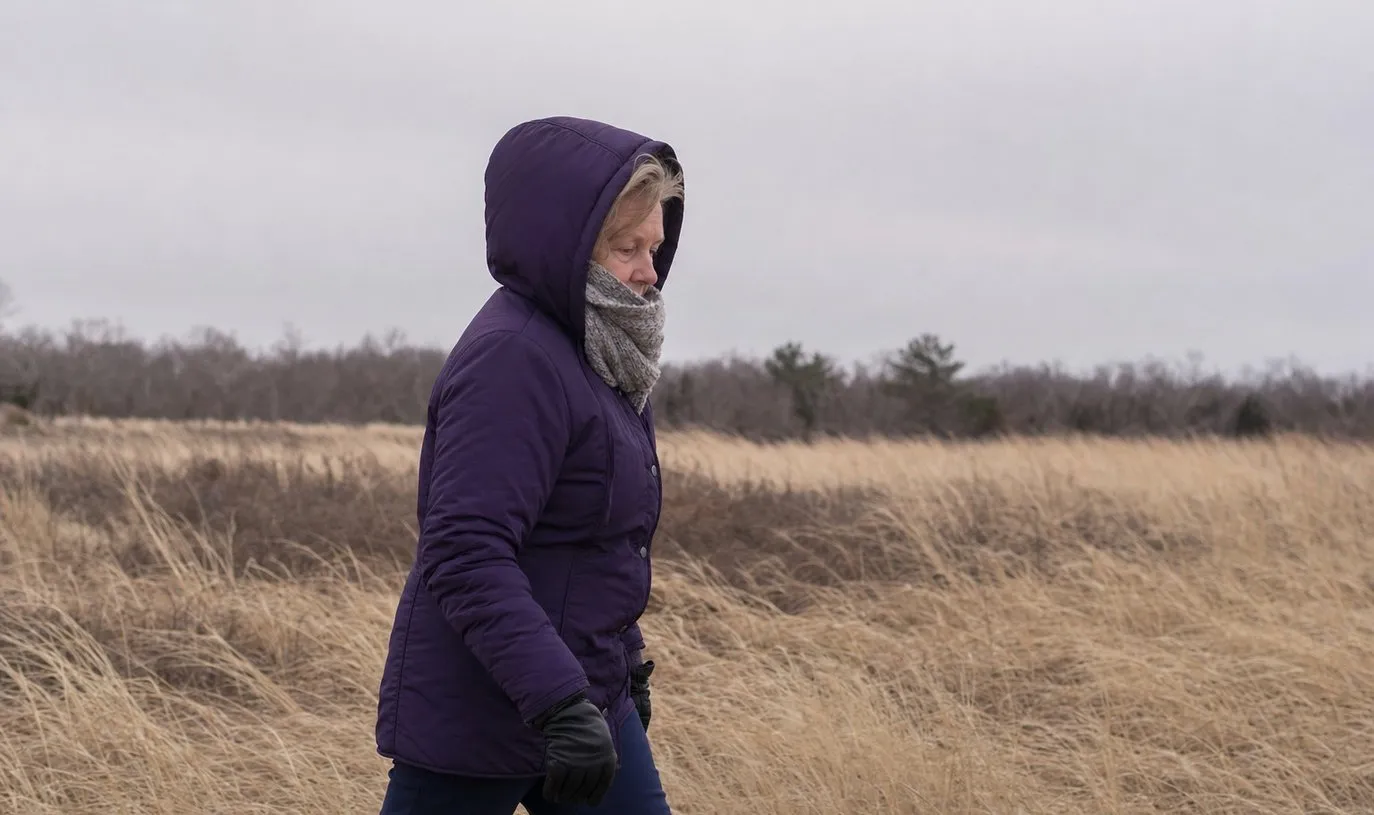
Winter is where a lot of people stop.
It is cold. It gets dark early. The couch is right there.
Lowering the bar helps: shorter walks, closer to home, but still outside.
- Dress for ten degrees colder than it is. You warm up fast once you start moving.
- Pick a shorter route, not zero. Twenty minutes in winter beats nothing by a wide margin.
- Give yourself something to photograph. Bare trees, frost on a railing, low winter light. This is genuinely good camera material if you are looking for it.
Getting outside year-round is a habit, not a heroic effort.
The real rewards of regular walking are the same in February as in June. The trick is just not letting a cold morning become a reason to stop permanently.
Adjusting When Life Gets in the Way
Some weeks do not go as planned. Illness, travel, a stretch of genuinely awful weather.
This is normal.
Missing a week does not undo the habit. Quitting does.
The way to handle a gap is simple: start back where it feels easy, not where you left off. A short flat walk, no pressure. The next walk is usually fine.
Tracking helps, but not in a complicated way. Just notice when you have gone three or four days without getting outside. That gap feeling is its own prompt.
A Few Things That Help
No program, just observations:
- Go out before you feel ready. Waiting for motivation to arrive first is backwards. The motivation usually shows up during the walk, not before.
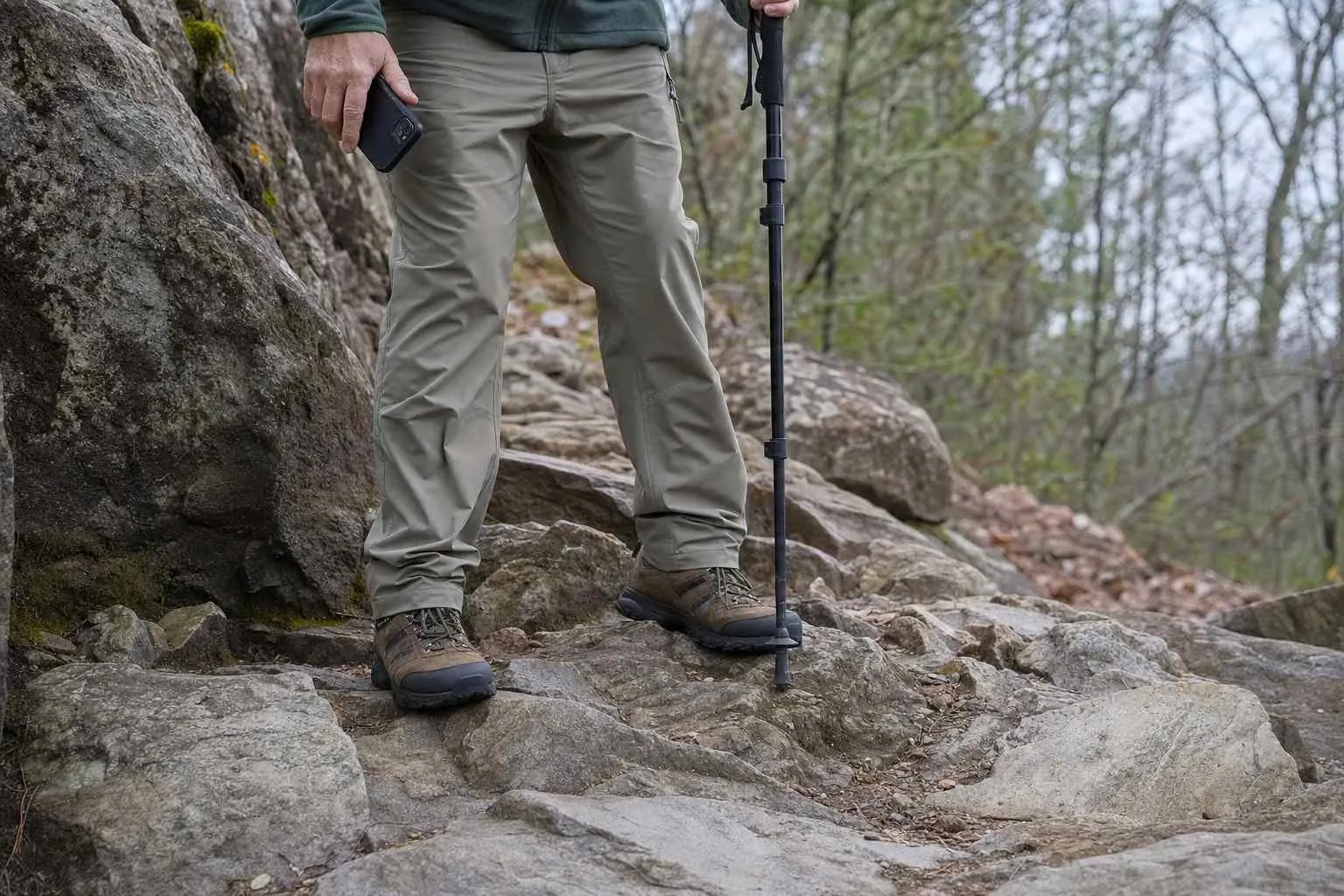
- Pick a route with something to look at. Even a municipal park beats a plain sidewalk loop for keeping the habit alive.
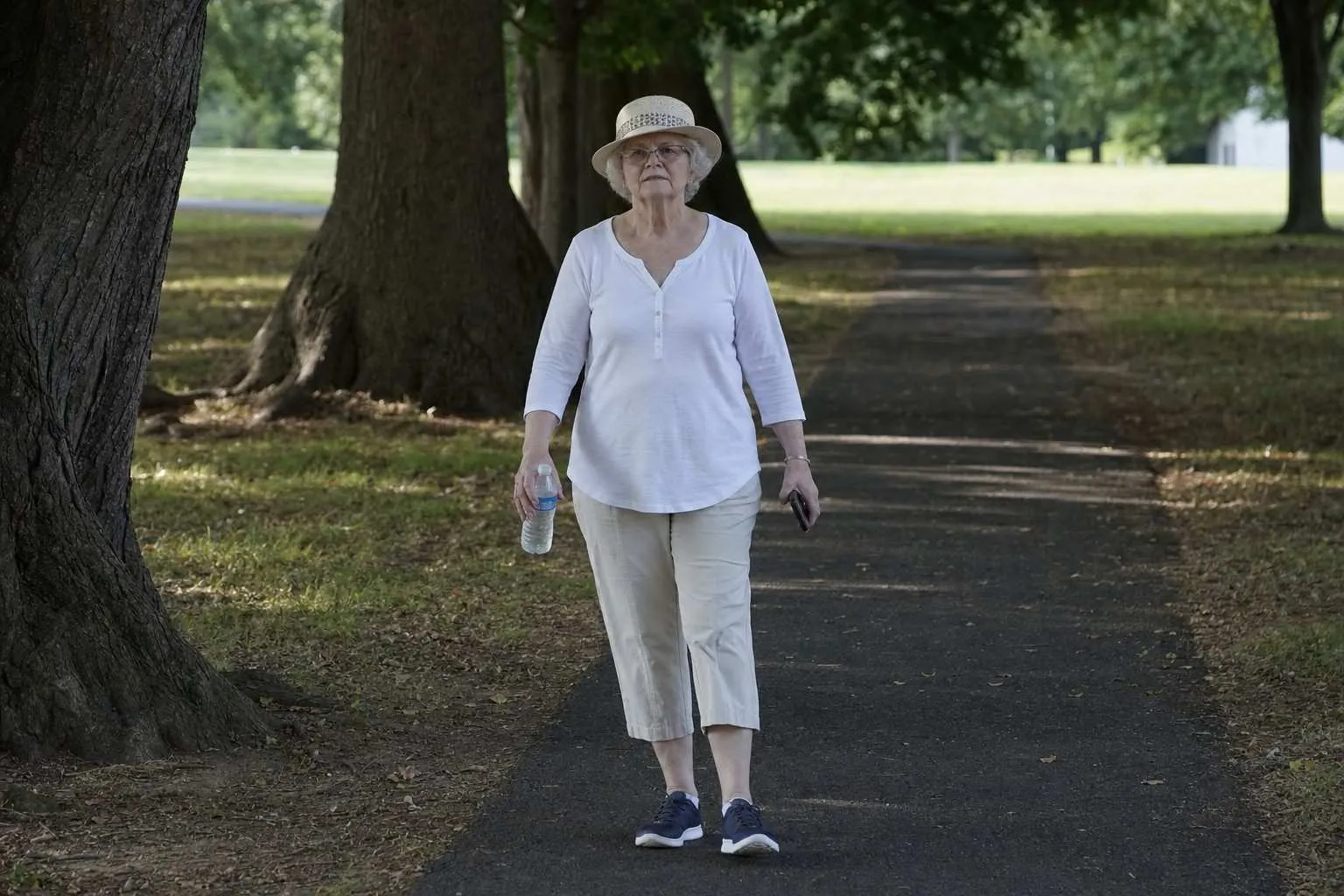
- Keep a comfortable pace. You are not training for anything. A pace where you can hold a conversation is exactly right.
- Give yourself credit for showing up. A short walk on a hard day counts more than a long walk on an easy one.
Spending more time outdoors after 60 can be one of the easiest good choices there is.
Not dramatic. Just consistently better than sitting still.
Start wherever you are. Bring your phone. Look for something worth photographing. The rest follows from there.