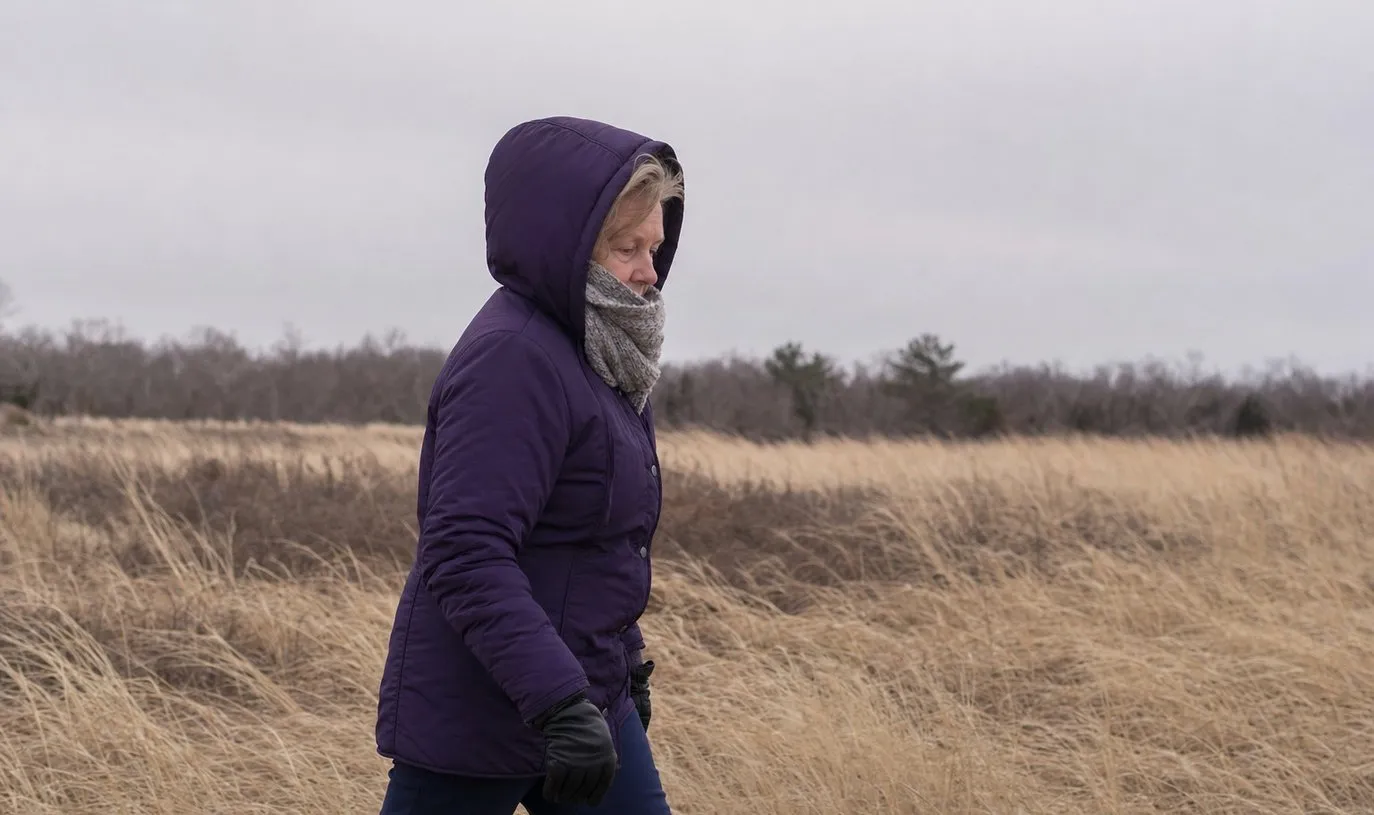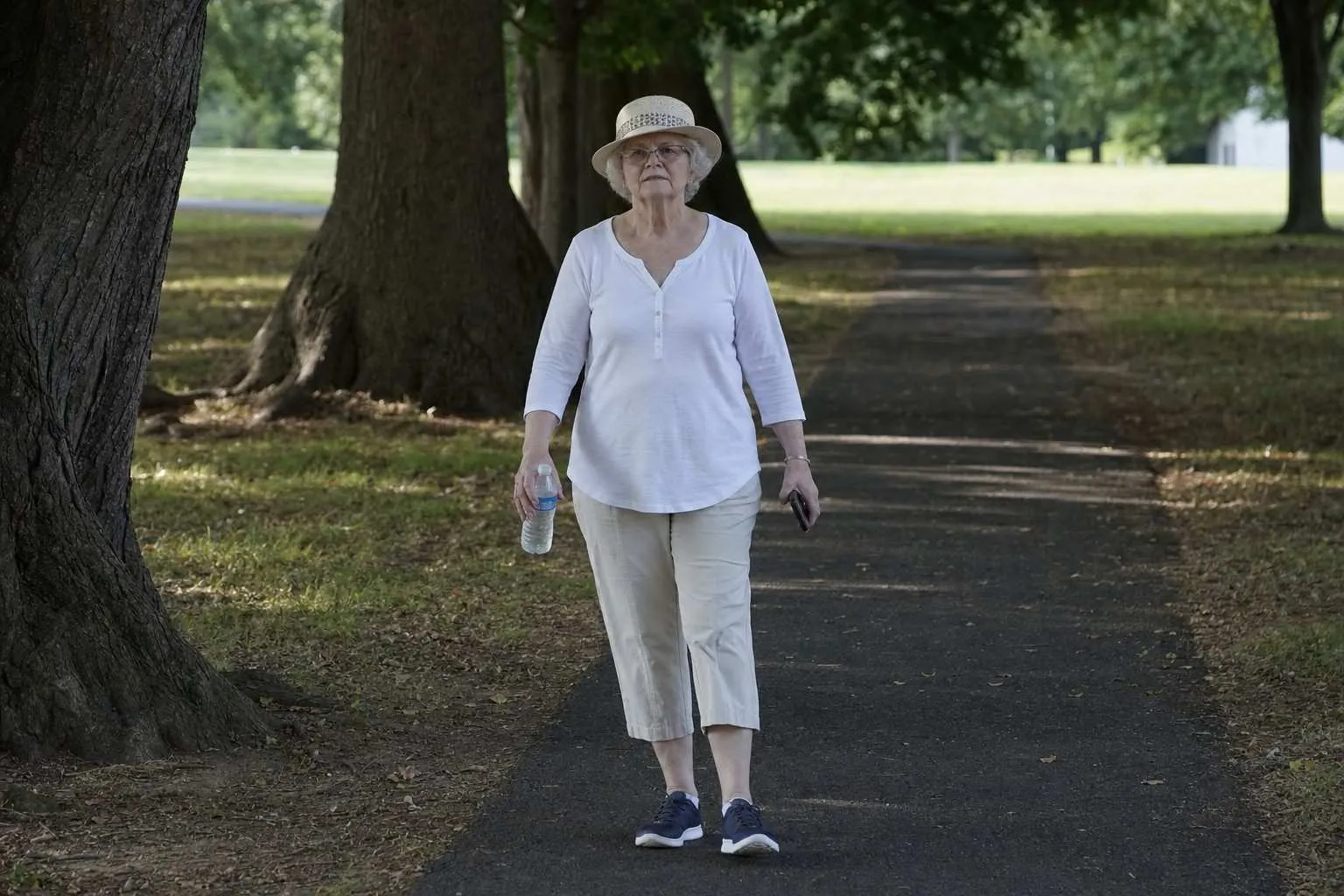
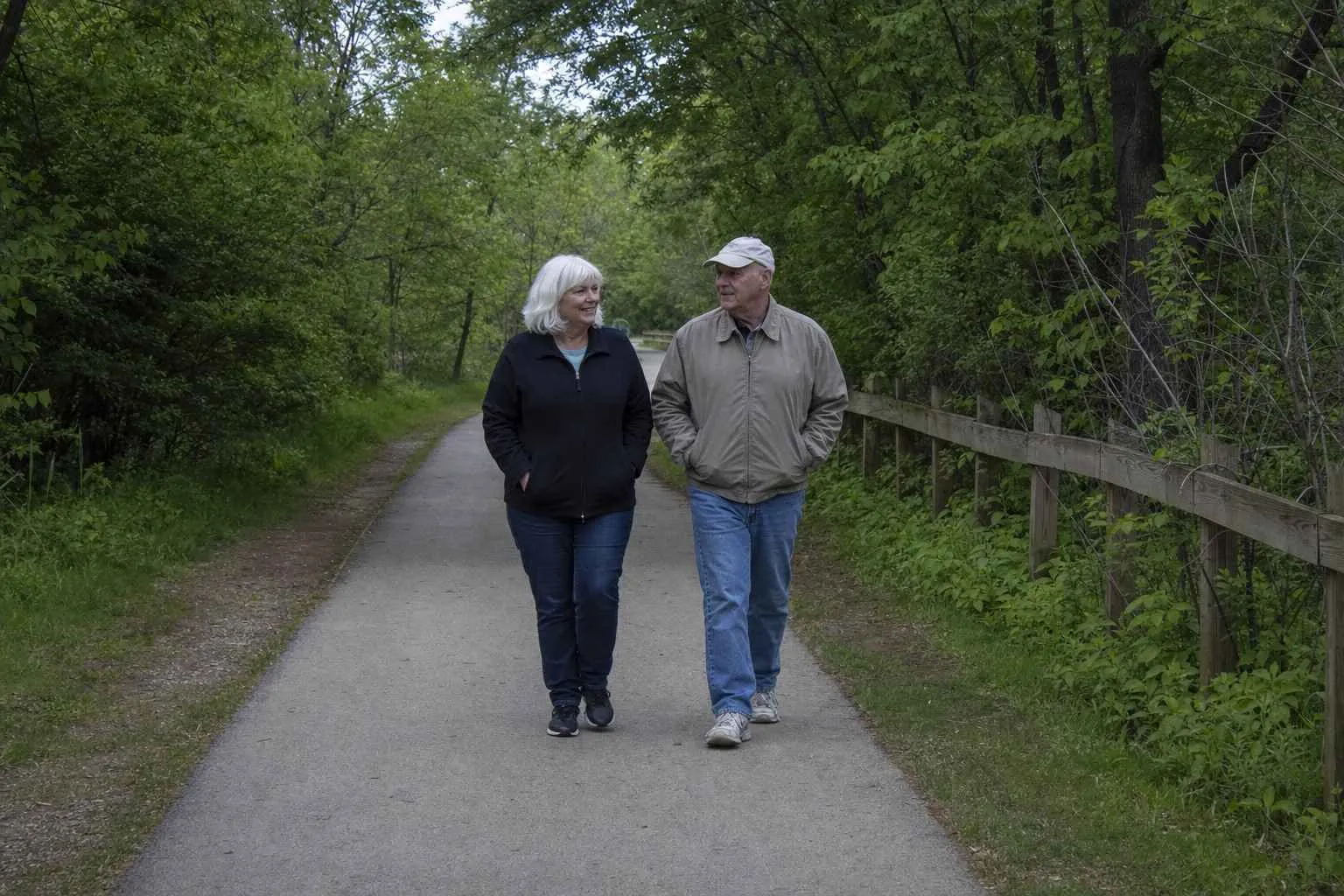
When people decide to get more active later in life, the first question is usually some version of “how much is enough?” The answer is reassuring.
The official guidelines ask for about 150 minutes of moderate activity a week, and brisk walking counts. That is roughly 30 minutes, five days a week. Less than most people expect, and very doable on a daily walk.
Here is what the people who study this for a living actually recommend.
What the Guidelines Actually Say
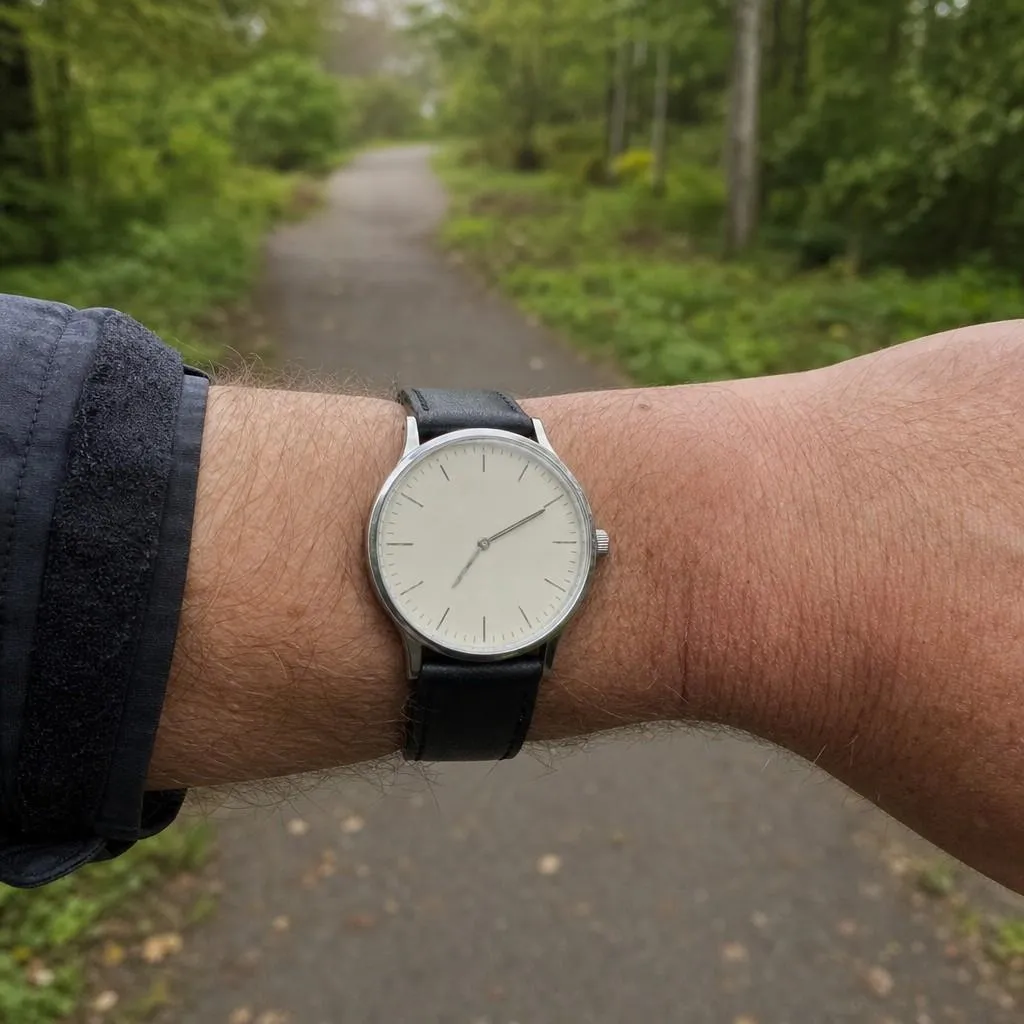
The numbers below are not opinion. They come straight from the public health bodies that set these recommendations.
According to the physical activity guidelines for older adults from the CDC, America’s public health agency, adults should aim for at least 150 minutes of moderate-intensity aerobic activity a week.
The CDC gives an easy way to picture it: about 30 minutes a day, five days a week. If you prefer harder effort, 75 minutes of vigorous activity a week counts the same.
The World Health Organization sets the same global target of at least 150 minutes of moderate activity a week for adults.
Brisk walking is the classic example of moderate-intensity activity. Moderate means you are breathing harder and your heart is working, but you can still hold a conversation. A walk where you can talk but not sing is about right.
“Some Is Better Than None”
This next bit is worth hearing early.
Both the CDC and WHO are clear that some activity is better than none, and that you build up over time. You do not have to hit 150 minutes in your first week.
If ten minutes is where you are, ten minutes is a real start.
The amount of walking that actually counts is smaller than most people think, and every minute of it adds up.
That framing takes the pressure off. A short walk on a busy day is not a failure.
It is the habit staying alive. If getting out the door is the hard part, you might find some honest encouragement in these notes on getting past the usual excuses and staying active year-round.
What 150 Minutes Looks Like in Real Life
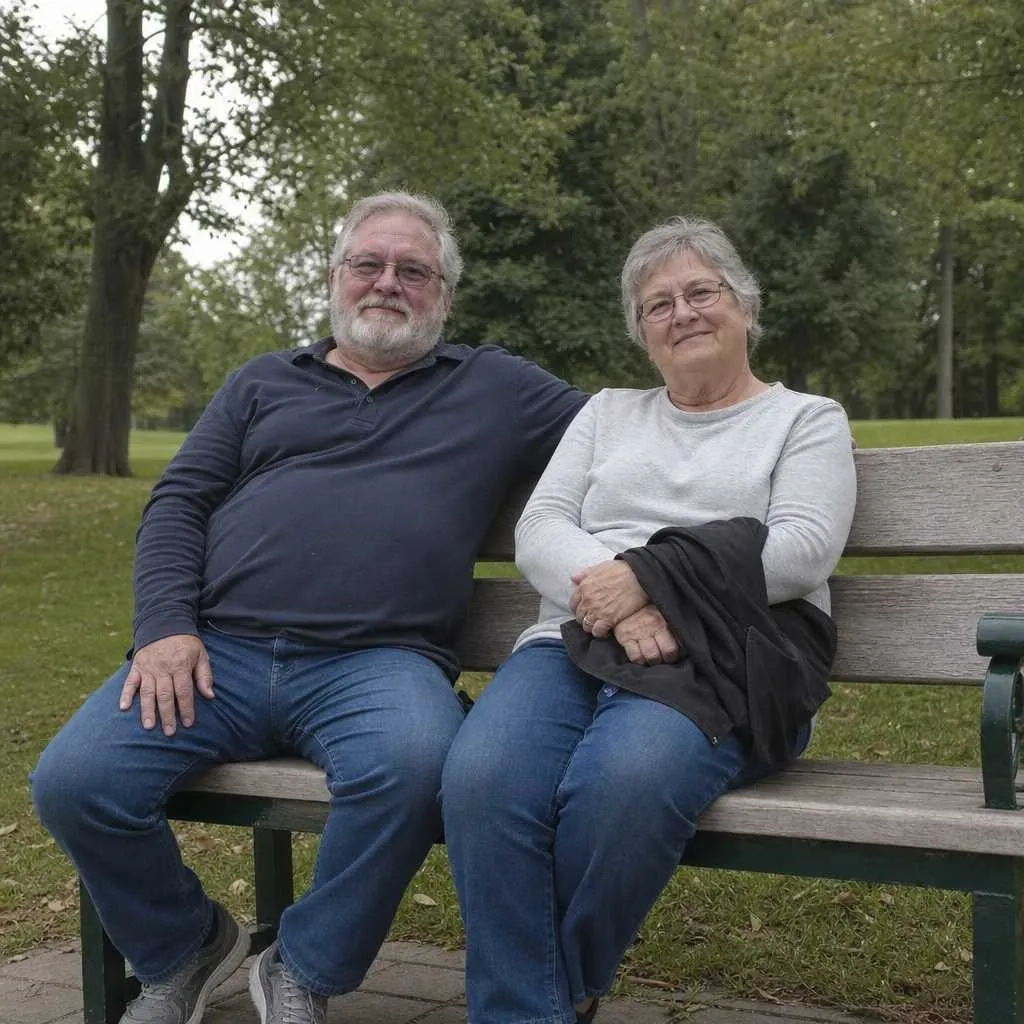
Spread across a week, the target is gentler than the number sounds.
- Five 30-minute walks, one most days
- Three 50-minute walks if you prefer fewer, longer outings
- Two 15-minute walks a day, because the CDC notes activity can be broken into shorter chunks
The minutes do not have to come all at once. A walk to the shops, a loop around the block after dinner, and a longer weekend outing can add up to the week’s total without a single “workout.”
If you have a health condition or have not been active in a while, talk to your doctor before you start.
Strength and Balance Matter Too
Walking is the easy headline, but the older-adult guidelines ask for a little more.
The CDC also recommends muscle-strengthening activity on two or more days a week, plus activities that improve balance. For older adults, balance work matters because it helps prevent falls.
None of this needs a gym. Carrying groceries, standing up from a chair without using your hands, gentle heel-to-toe walking, and simple standing exercises all count.
Keep it within what feels safe for you, and again, check with your doctor if you are unsure.
How a Camera Makes the Minutes Easier
This is where a camera comes in.
The guidelines tell you the target. The hard part is showing up for it, week after week.
Bringing a camera can turn walking from a chore into something to look forward to.
Giving a walk a purpose is the simplest way to make the minutes happen without counting them. When you are out looking for a good photo, you are not watching the clock.
You walk further and stay out longer, and the 150 minutes takes care of itself. There is more on why that works in how walking with a camera keeps you active.
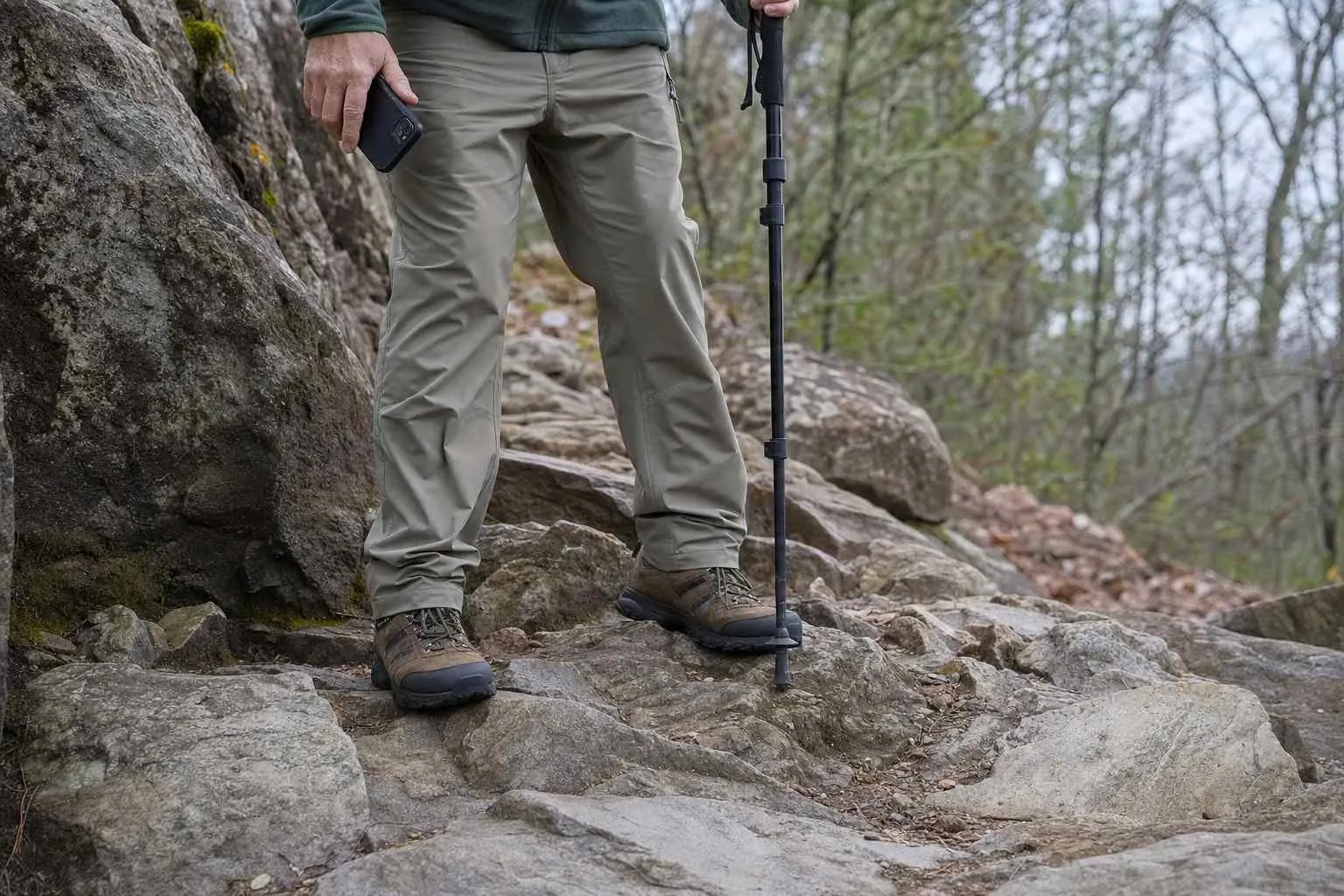
If you are new to getting outside on trails rather than sidewalks, the guide to your first hike keeps it simple and low-pressure.
The Takeaway
The bar is lower than the worry around it. About 150 minutes of moderate movement a week, a little strength and balance work, and the freedom to build up slowly.
Start with what you can do this week, not what the chart says you should do eventually. Add a camera if it helps you stay out longer.
And treat the guidelines as a friendly target from people who study this, not a test you can fail.