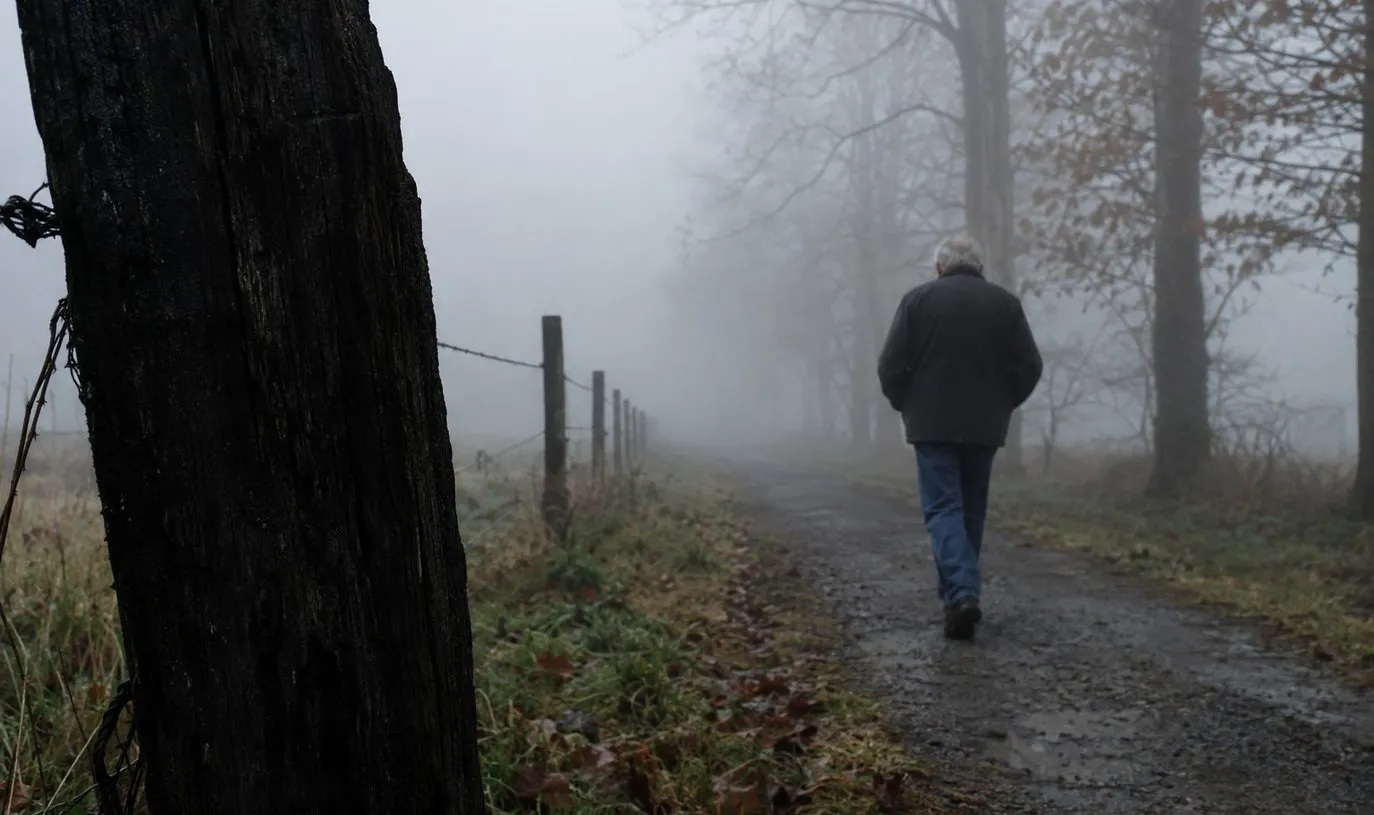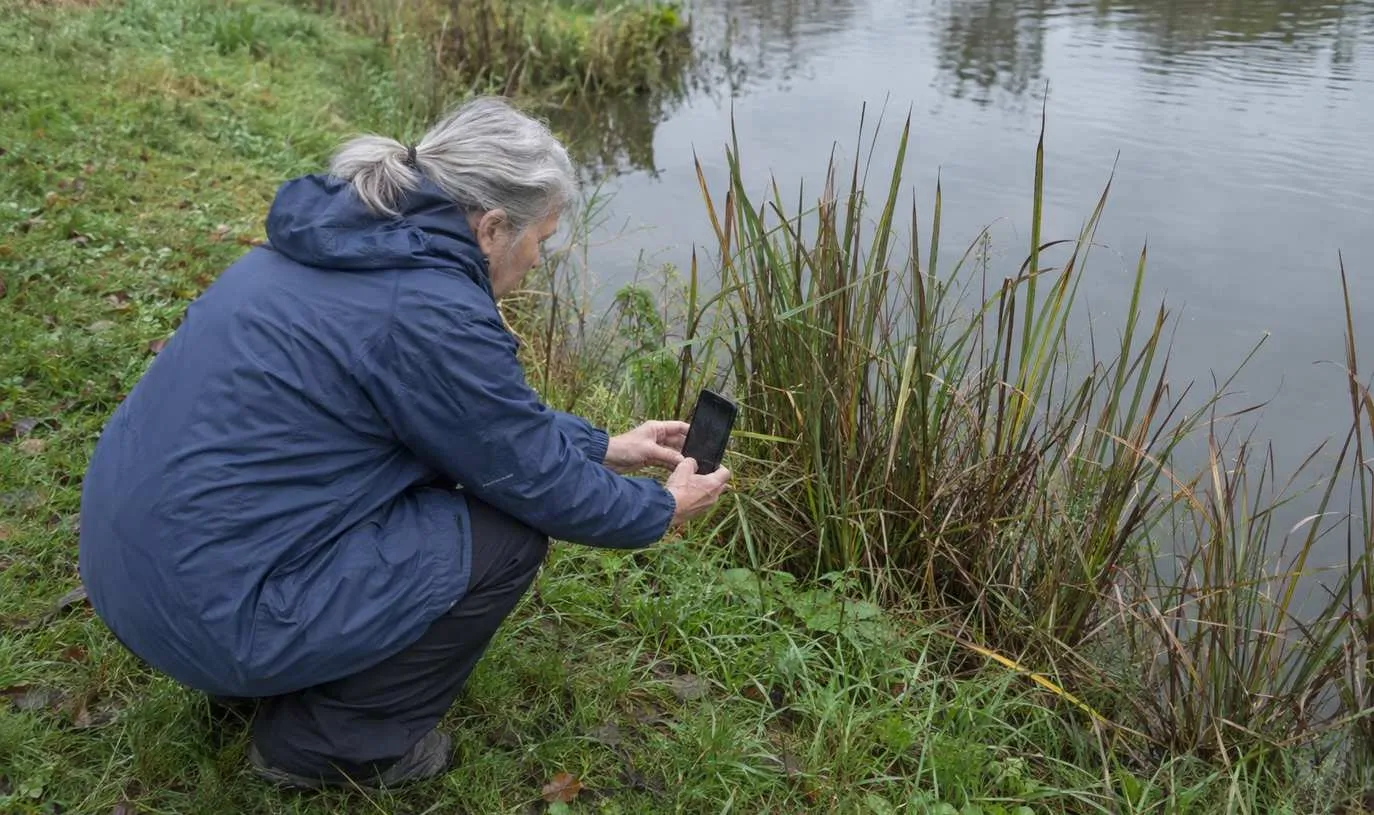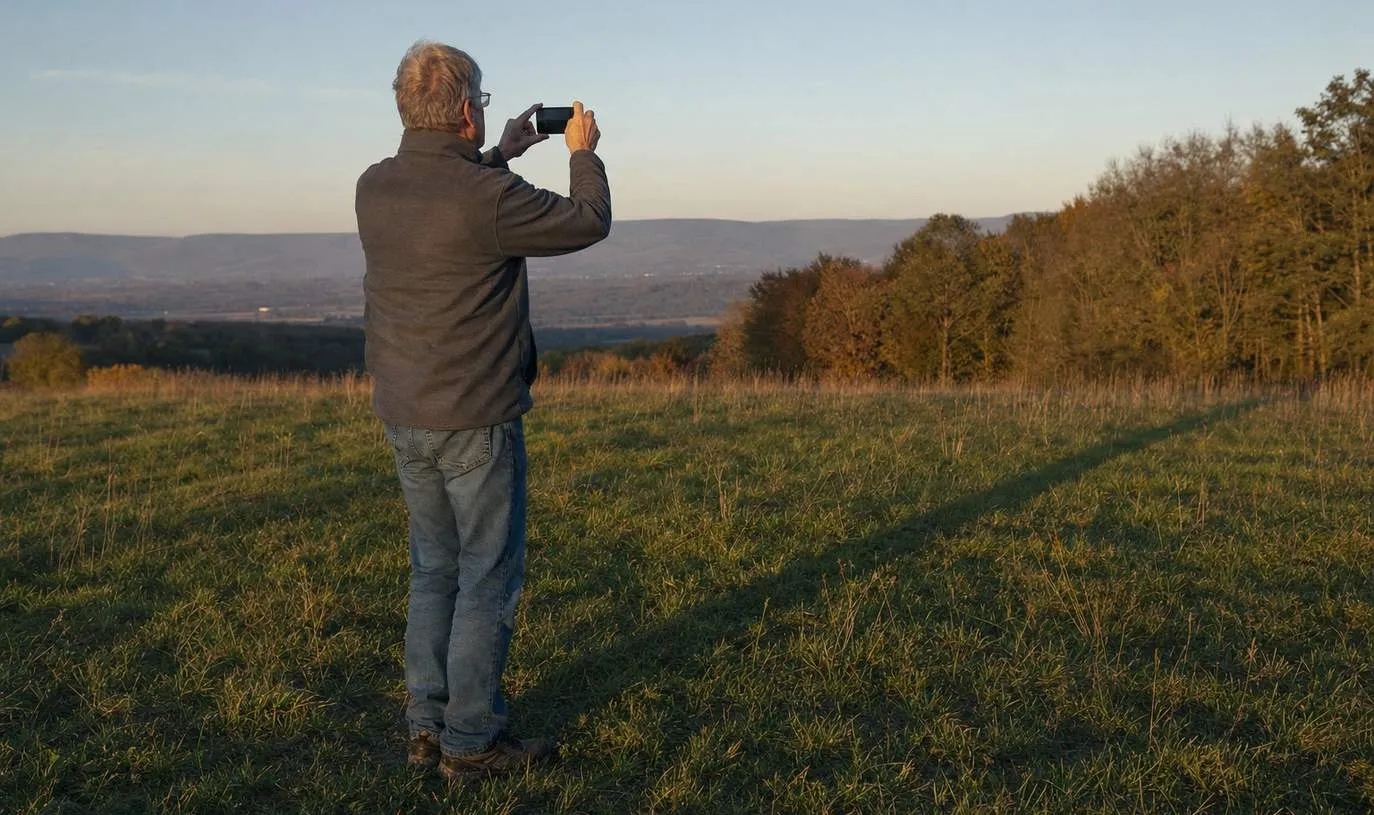
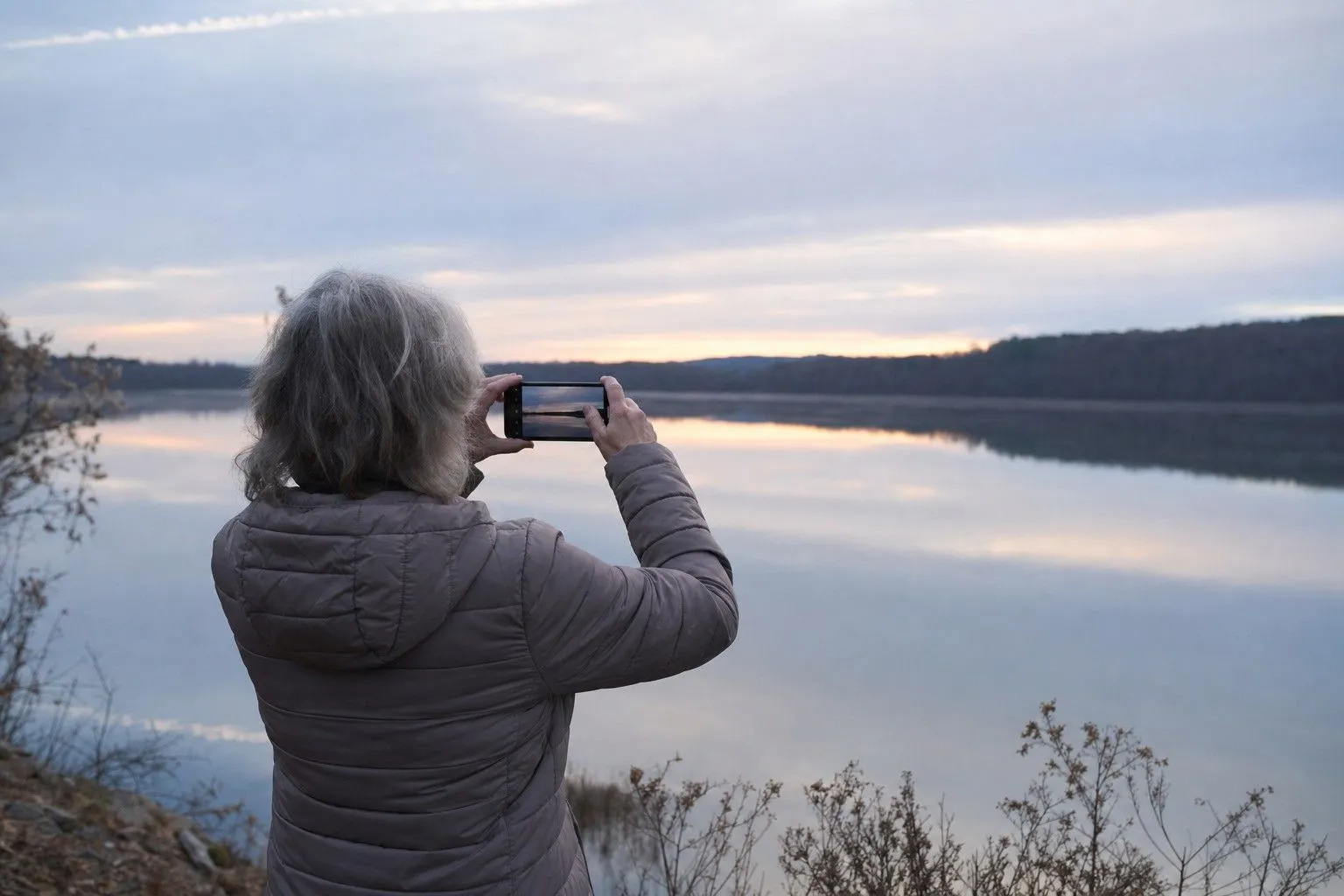
You do not need a 4am alarm to take a good sunrise photo. That belief stops more people than any camera setting ever will.
The best sunrise shots come from planning the night before, not from getting up painfully early.
It is easy to think the trick is raw willpower at dawn. It is not.
The trick is making the morning easy enough that you actually go. Here is how to do it, with nothing but a phone and a plan.
Pick a Spot You Can Reach Half-Asleep
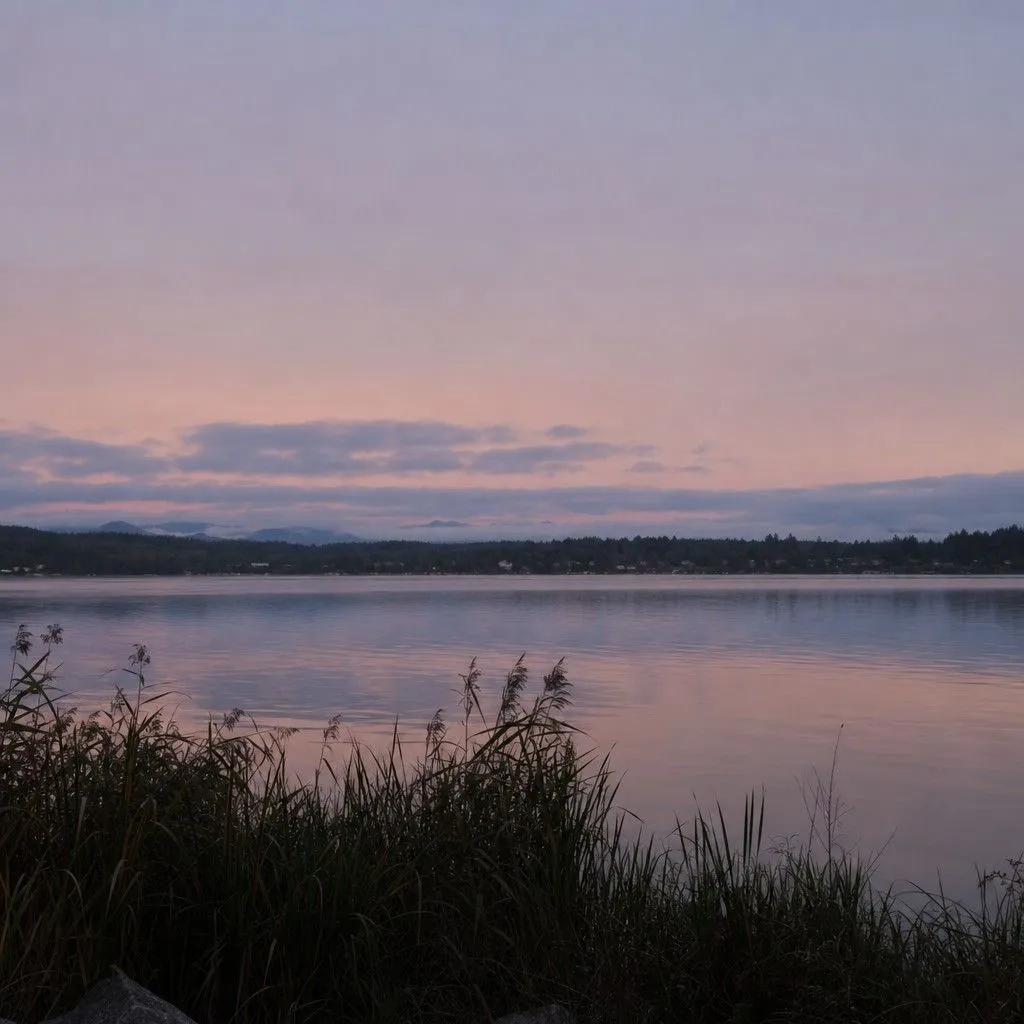
The single biggest favor you can do yourself is choosing an easy location.
A great view that takes a 40-minute drive and a headlamp hike will lose to a plain pond five minutes away. Every time. You only ever go to the plain pond.
Choose the closest spot that has open sky to the east. That is the whole requirement.
- A lakeshore or a pond with a clear eastern view
- A park field, a bridge, or any overlook you can walk to
- Even a quiet street that faces the right way
A small reservoir ten minutes from home is plenty. It does not have to be famous. The water gives a reflection, and that is enough.
Let the Season Do the Hard Part
You can avoid the worst of the early alarm by shooting when the sun comes up later. In the colder months, sunrise can slide well past 7am, which is a far kinder hour.
The sun does not care how dramatic your location is. It cares that you showed up with the sky doing something interesting.
Check your phone’s weather app the night before. A few high clouds make a sunrise; a totally clear sky often makes a flat one. Some mornings look unpromising until the light hits those clouds from underneath.
The Best Light Often Comes After Sunrise
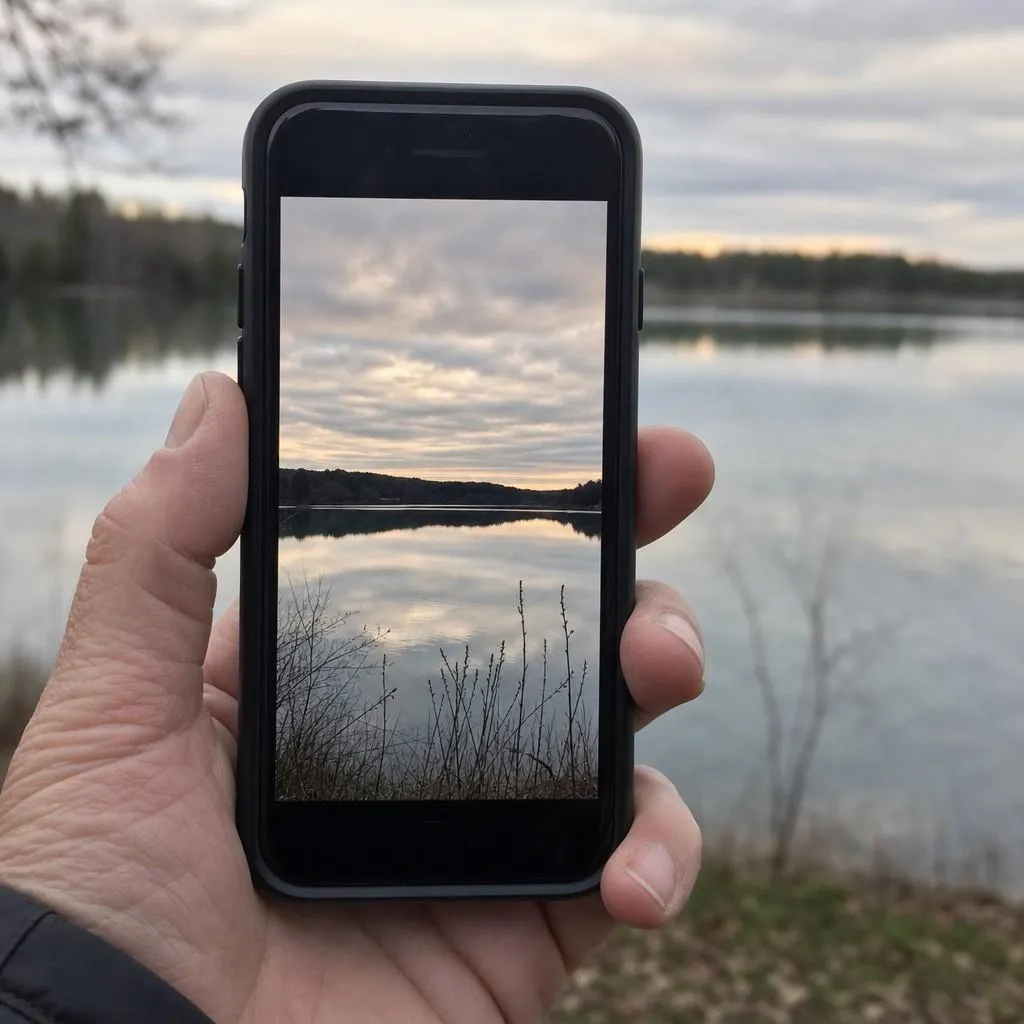
The color often gets better after the sun is technically up.
Get to your spot about 20 minutes before sunrise and plan to stay 20 minutes after. That window, not the exact moment the sun clears the horizon, is where the soft pink and gold usually live.
If you only catch the exact moment of sunrise, you miss half the show.
This is also why the early-alarm panic is overblown. You are not chasing one perfect second. You are settling in for a calm half hour.
Simple Phone Settings That Help
You do not need a manual mode or a pile of apps. A few small habits do most of the work.
- Wipe the lens first. A pocket phone lens is smeared, and that smear turns bright light into haze.
- Tap the bright part of the sky to set exposure, then drag down a little so the colors stay rich instead of washed out to white.
- Turn on the grid and put the horizon a third of the way up or down, not dead center. There is more on that in composition habits that change your photos.
- Hold still and shoot a few frames. Low light shows every shake, so brace your elbows or rest the phone on something.
If a shaky low-light shot keeps ruining your mornings, a tiny clip-on mount fixes it for the price of a coffee. It is covered in the cheap accessories that actually help.
Make It a Habit, Not an Event
The photographers who get great sunrise shots are not more disciplined than you. They just made the morning easy.
A close spot, a later season, a glance at the weather, and a willingness to stay a little longer than feels necessary. That is the whole system.
Do that a handful of times and you will have a sunrise you are proud of, with sleep to spare.
If you want a gentle reason to keep going out, walking with a camera is the habit that makes it stick. There is more in tips for outdoor photography.