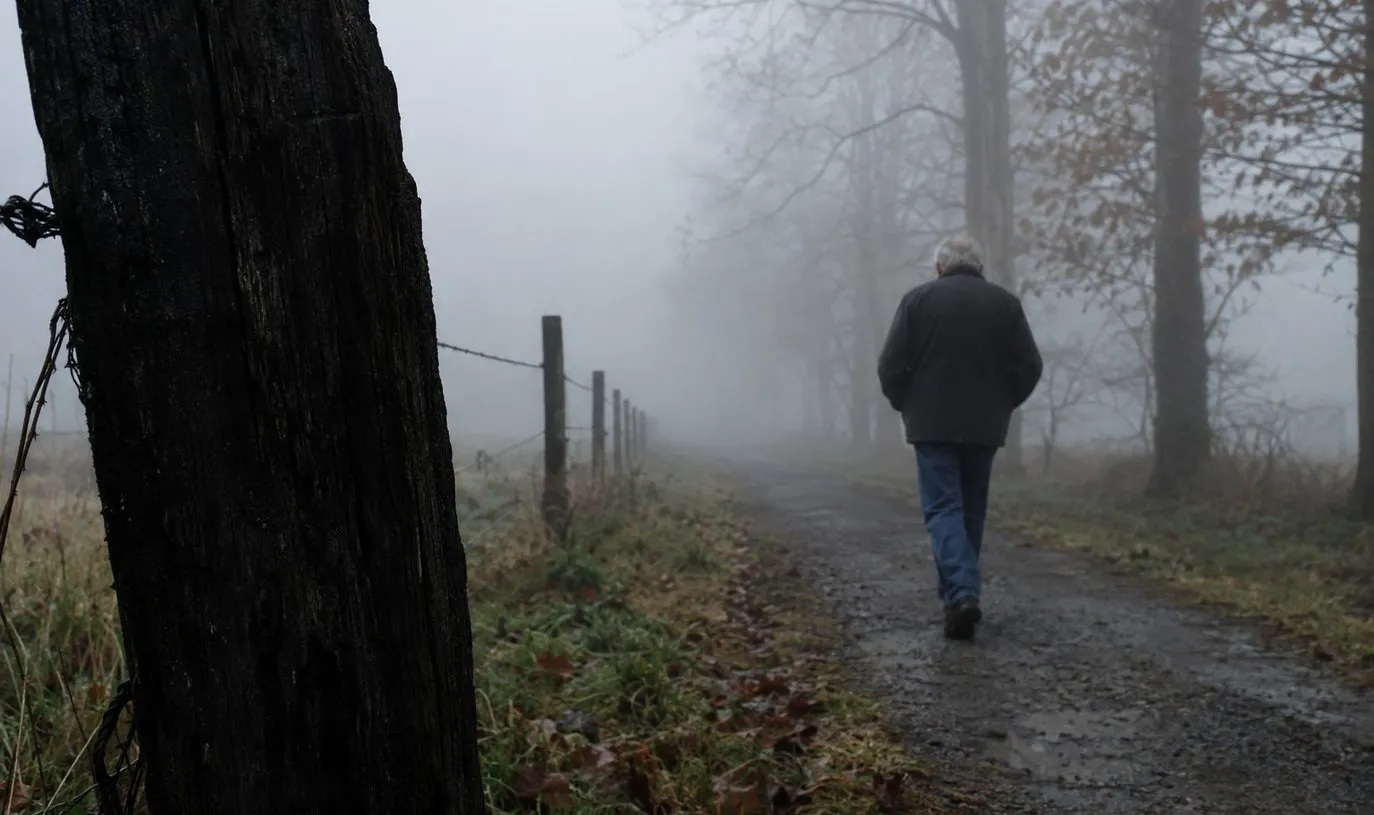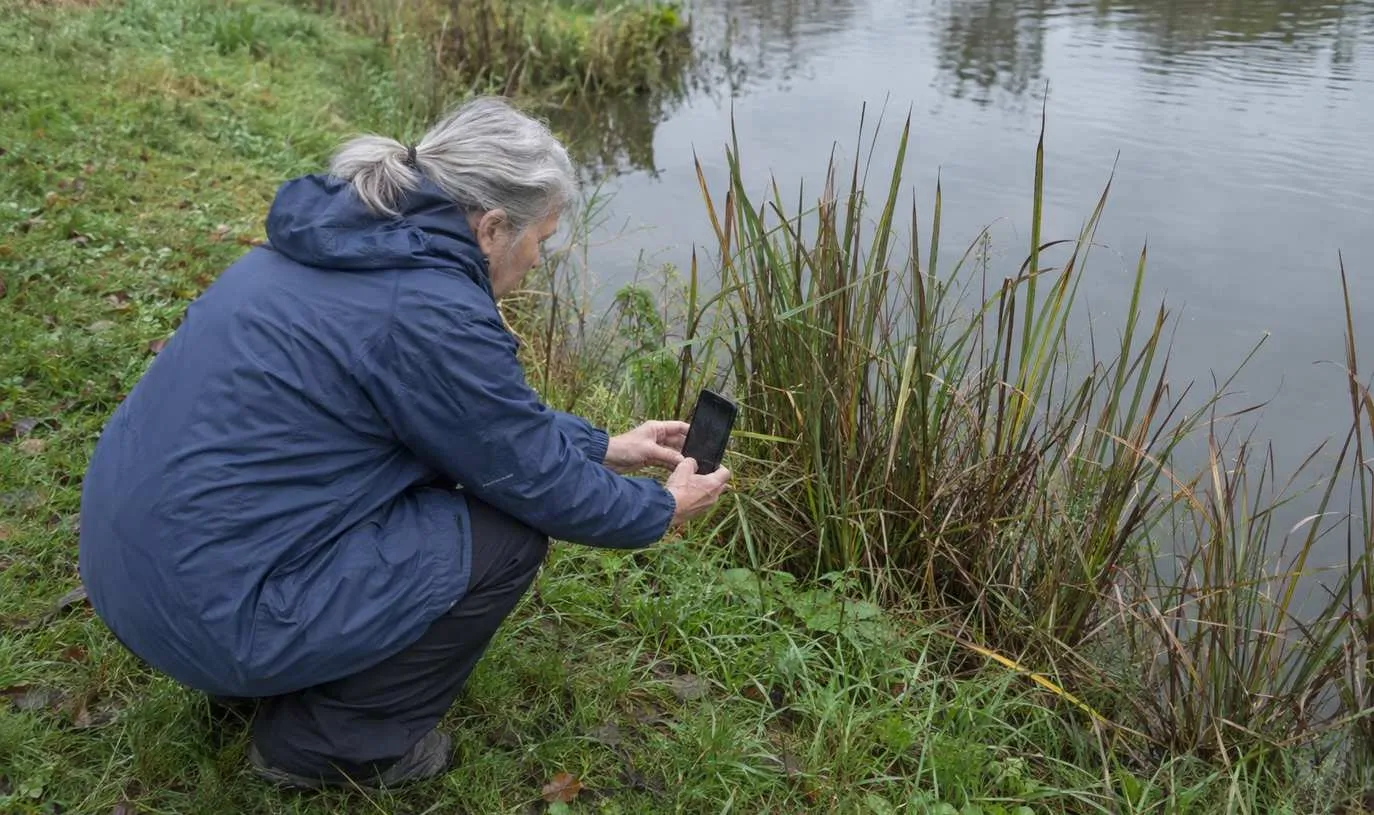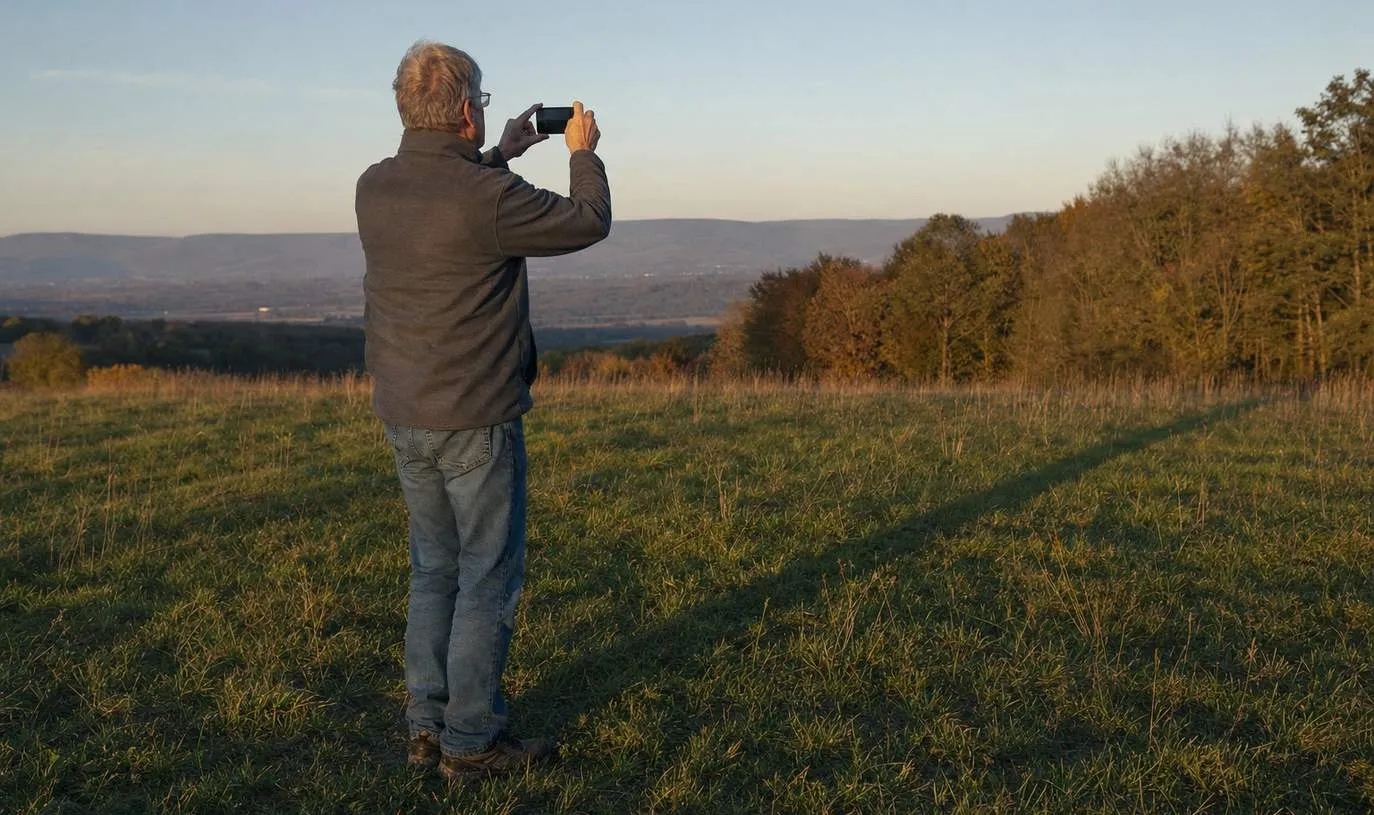
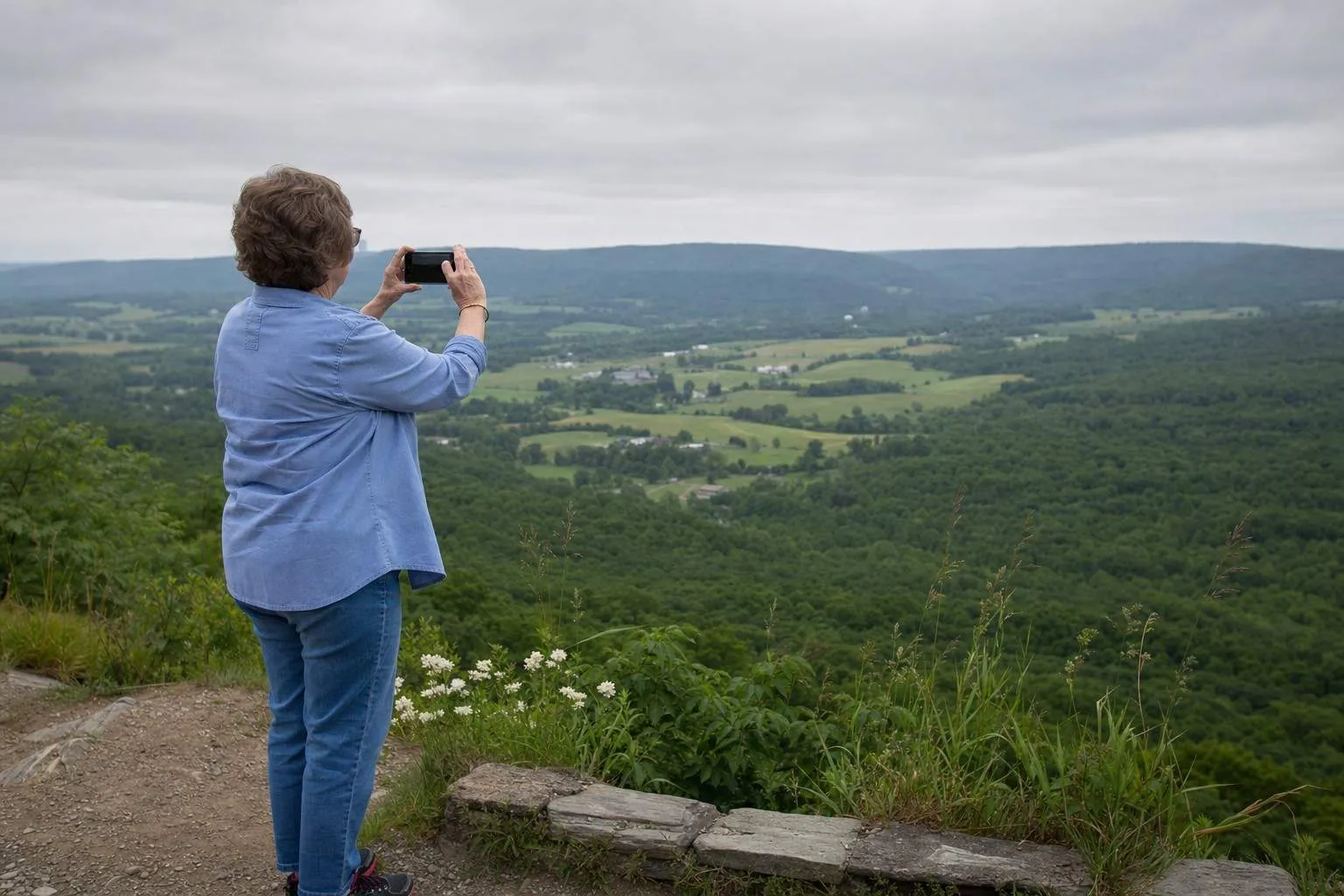
Many of the best landscape photos come from places nobody would call scenic.
A drainage pond behind the park. A field edge at the end of your street. A patch of woods you have walked past dozens of times. The difference is not the view. It is the light and where you stand.
The phone you already carry is good enough. The rest is knowing when and where.
Go Out in the Right Light, Not the Right Place
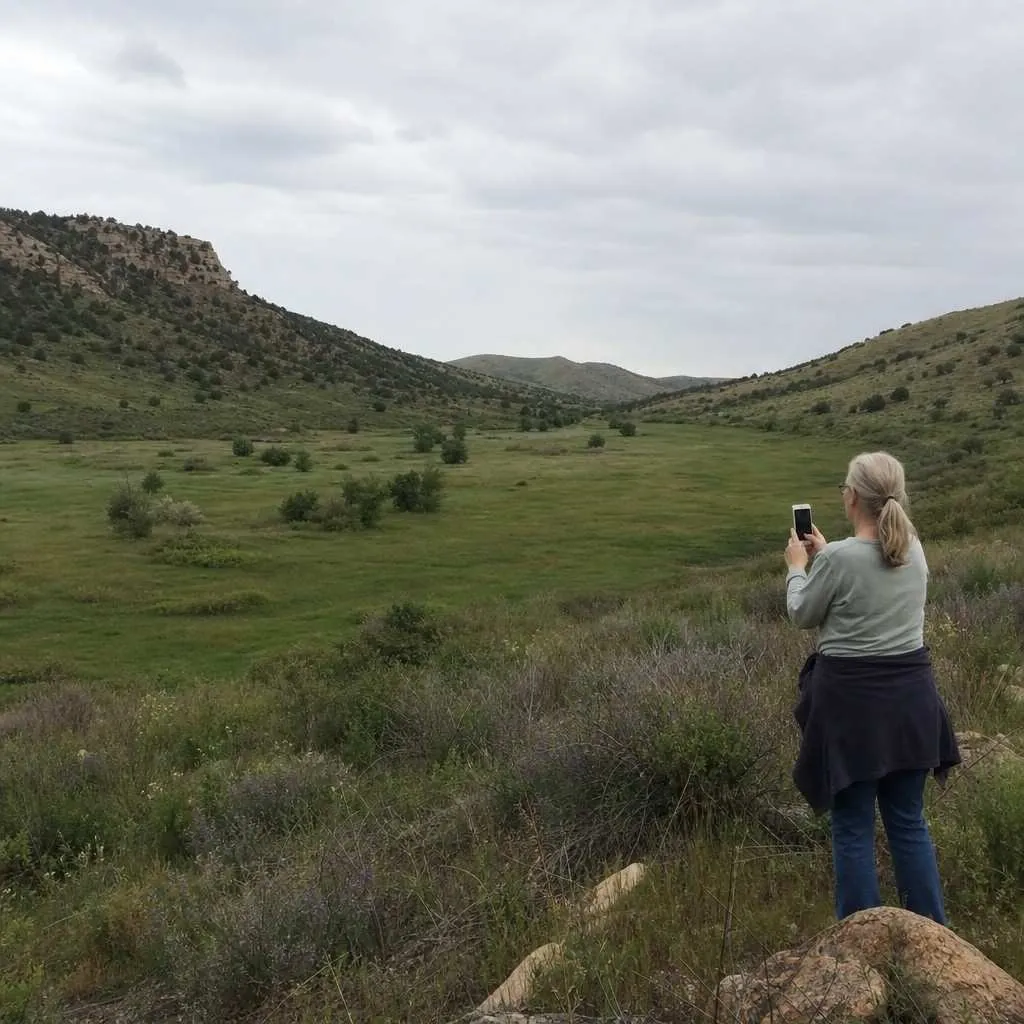
Bright midday sun is the hardest light for landscapes. Everything looks flat or washed out, and shadows are harsh and unflattering.
Soft, even light works far better.
That means early morning or late afternoon. Overcast days are actually great for this, because the clouds act as a giant diffuser. No glare, no blown-out sky.
Overcast days are often better for landscapes than full sun, and easier too.
A field photo on a dull gray morning can be a keeper. No drama in the sky, just soft, even light on long grass and a tree line. It holds together in a way noon never would.
If you want to go further and shoot at sunrise, you do not need to sacrifice sleep.
The notes on photographing sunrises without a painful early alarm cover how to plan it the night before and what time to actually show up.
Think About Where You Stand
This is the one that changes photos the most.
Before you press the shutter, take a couple of steps to one side or another. Crouch down. Step sideways until something frames the edge. Walk closer until the cluttered foreground drops out.
Most people stop and shoot from wherever they happen to be standing. That spot is almost never the best one.
Lower angles make the foreground feel bigger and give the photo depth. Getting close to a rock, a patch of wildflowers, or a puddle puts something interesting in front of the middle distance and the sky.
A good primer on framing and placement is in the notes on simple composition habits that actually change your photos.
Find a Line to Pull the Eye In
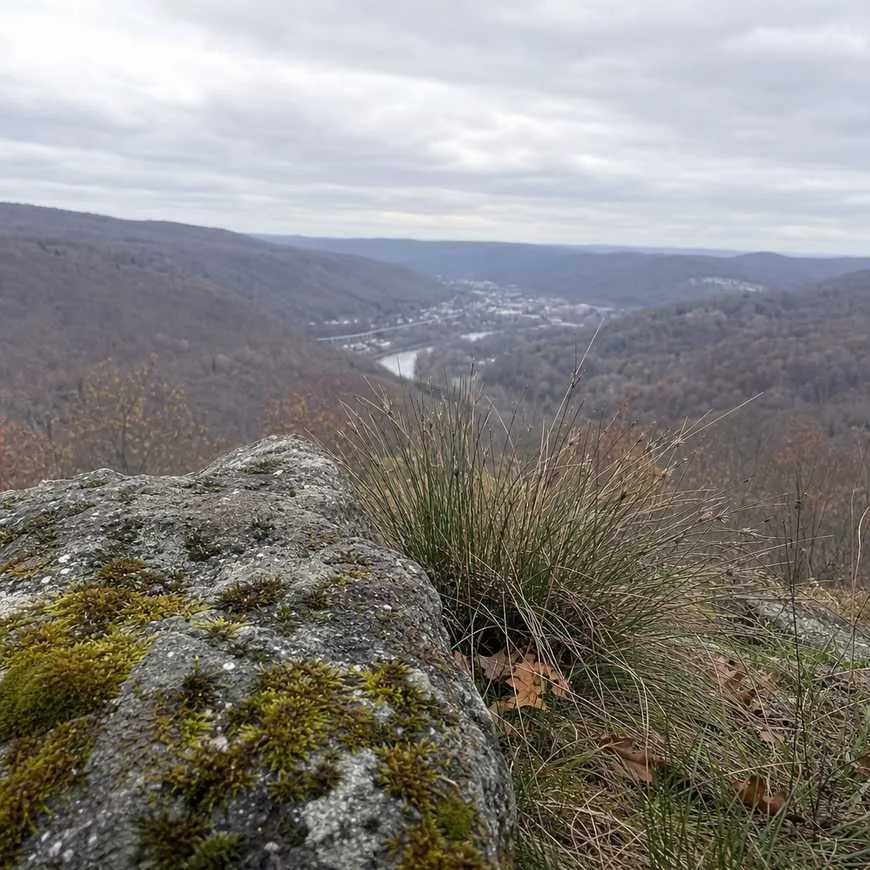
Landscapes feel flat when there is nothing to look at except sky and land.
Look for a line before you choose your spot. A trail, a river, a fence, a shoreline.
Any line that starts near the camera and runs back into the frame pulls the viewer in instead of leaving them at the edge.
When you find one, stand so it enters from a bottom corner and leads toward whatever you want people to look at. It is the single most reliable fix for a flat outdoor photo.
- A path curving back through trees
- A lakeshore running toward the far bank
- A row of fence posts leading to a barn or hill
You do not need all three. One is enough.
Use the Grid and Put the Horizon Off-Center
Turn on the camera grid in your phone’s settings.
Put the horizon on one of the horizontal grid lines, not dead center. More sky, less ground, or more ground and less sky. Either works. Centered almost never does.
The rule of thirds is just this: keep things out of the middle. It sounds fussy but it takes about two seconds once the grid is on.
Check the Edges Before You Shoot
A habit worth building early.
Before you press the button, look at all four corners of the frame. Is there a power line cutting through the sky?
A parked car in the corner? A bright patch that your eye skips over but the phone will not?
Moving a step or two often cleans that up without changing the main composition. This one habit removes more problems than any filter or editing ever will.
Shoot a Few Frames, Then Step Away
Phone lenses pick up every tiny shake, and you often cannot see it until you are home and looking at a bigger screen.
Hold still, brace your elbows against your sides, and shoot two or three frames. Pick the sharpest one later.
Also, not every shot works. That is true for everyone, not just beginners. Taking more frames and being willing to delete most of them is a normal part of the process.
If you want more ideas on getting good results in outdoor light, the tips for outdoor phone photography cover a few more small fixes that are worth trying.
The Nearest Walk Is Far Enough
You do not need a national park or a famous overlook.
The scenes near you have light, lines, foreground, and depth just the same as the famous places. They are also the ones you can actually get to on a regular Tuesday, which is when the best light often shows up.
Go somewhere you can reach easily, and pay attention to where you stand and when you go. That combination does more than a better phone ever would.