Photographers learn early to avoid midday light. It is flat and harsh.
Every shadow that would give a photo some depth gets washed out by then.
It turns out the same hour is hardest on an older body in the heat, too. That is not a small coincidence.
The light that photographers skip and the heat that hits older walkers hardest peak at almost the same few hours. Plan around one and you have mostly planned around the other.
Why heat hits differently after 60
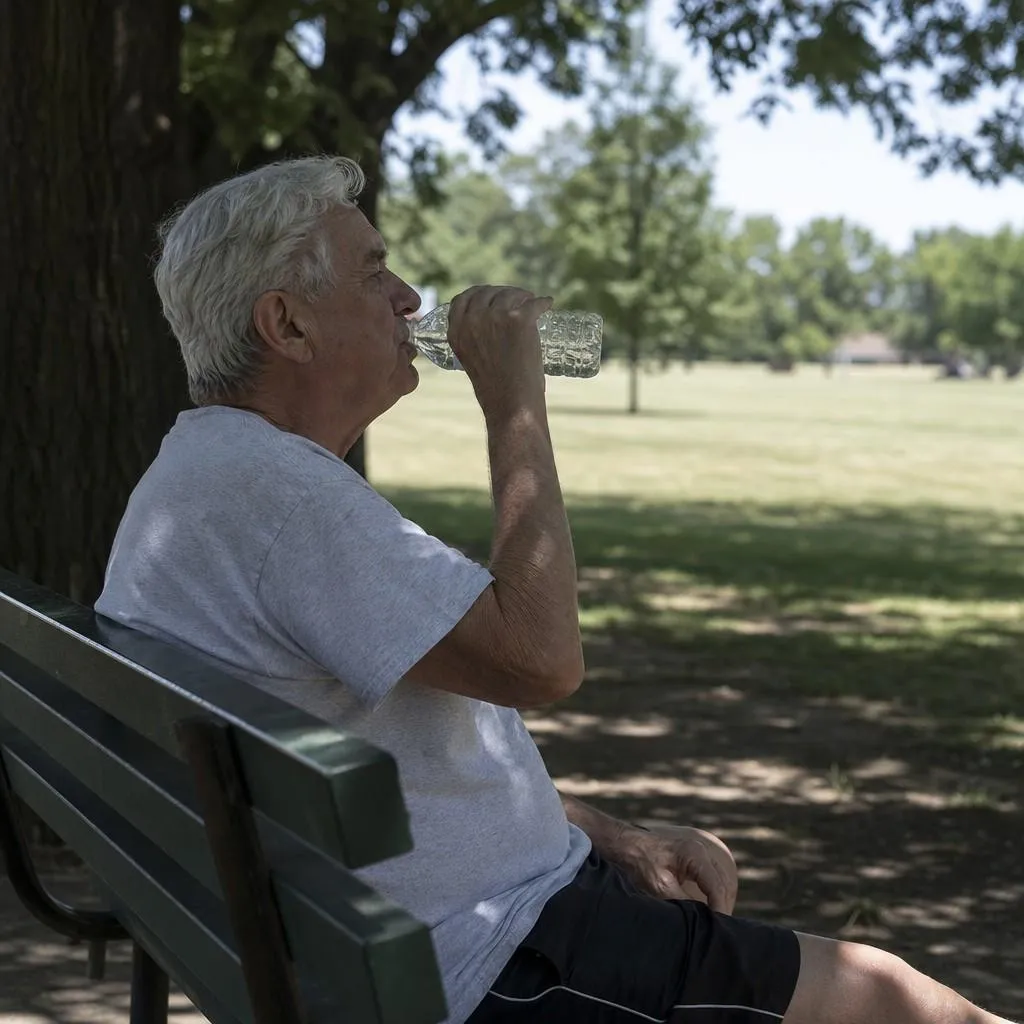
The body’s cooling system is not fixed. It changes with age, and that changes how much heat is safe.
According to the National Institute on Aging’s hot weather safety guidance, too much heat is not safe for anyone. It is riskier if you are older or have a health condition.
Older adults typically do not adjust to sudden temperature changes as well as younger people do.
Part of that comes down to chronic conditions that affect how the body regulates its own temperature. Part of it comes down to prescription medicines, which can change how well the body controls temperature or sweats in the first place.
None of that is a reason to stay indoors all summer. Short, safe outings still beat none.
The same logic runs the other way once the heat lifts too.
If pushing past the usual excuses is the harder part for you, read more about staying active through every season.
The warning signs worth knowing
Heat trouble in older adults tends to show up before it becomes serious, if you know what to watch for.
The National Institute on Aging describes a few specific patterns worth recognizing on a walk:
- Sudden dizziness, known as heat syncope, can happen during activity in hot weather. It is more likely if you take a beta blocker or have not built up a tolerance to heat yet.
- Painful tightening or spasms in the stomach, arms, or legs are heat cramps, often from hard work or intense exercise in the heat.
- Several prescription drugs together, drinking alcohol, dehydration, and going without air conditioning or fans are all listed risk factors worth keeping in mind.
If dizziness hits, the National Institute on Aging’s advice is straightforward: rest somewhere cool, put your legs up, and drink water.
If you have a heart condition, take daily medication, or are new to walking in the heat, check with your doctor before you start.
Heat stroke is different from the above, and it is a medical emergency. Confusion, hot dry skin, or a stop in sweating means calling for help immediately, not waiting to see if it passes.
The morning walk wins twice
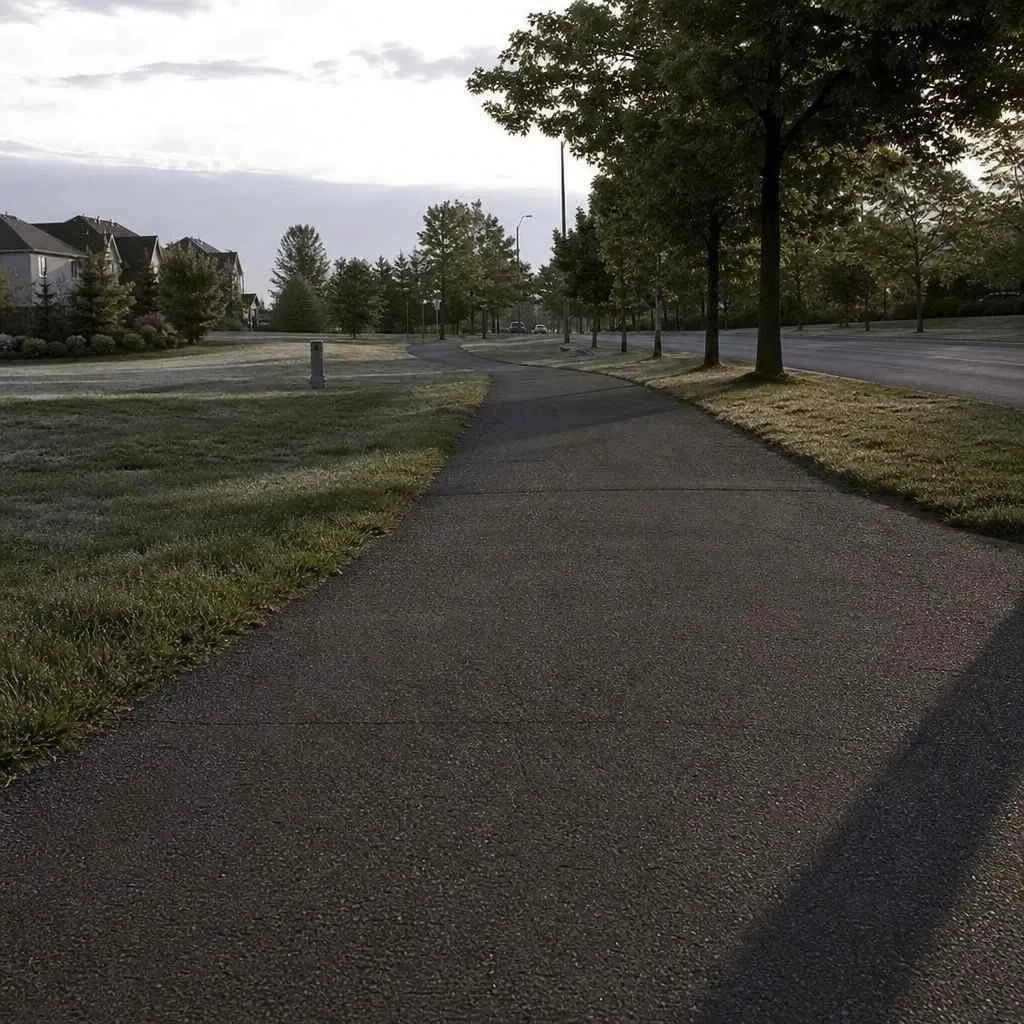
This is where the photography and the safety side line up almost perfectly.
Soft early light does more flattering work on a landscape than anything a phone’s camera settings can fake later. Long shadows add shape to a trail that looks flat by 1pm.
The same early hours are also the coolest part of the day, well before the afternoon heat builds. Fewer people are out too, which means fewer arms and legs cluttering a wide shot.
Plan around one and you have mostly planned around the other.
There is more on getting good sunrise shots without treating it like an ordeal.
The timing advice there doubles as the safety advice here. You do not need a 4am alarm, just an earlier window than noon.
If mornings are not realistic on a given day, a late-evening walk works almost as well. The sun has dropped by then, and both the light and the temperature cooperate.
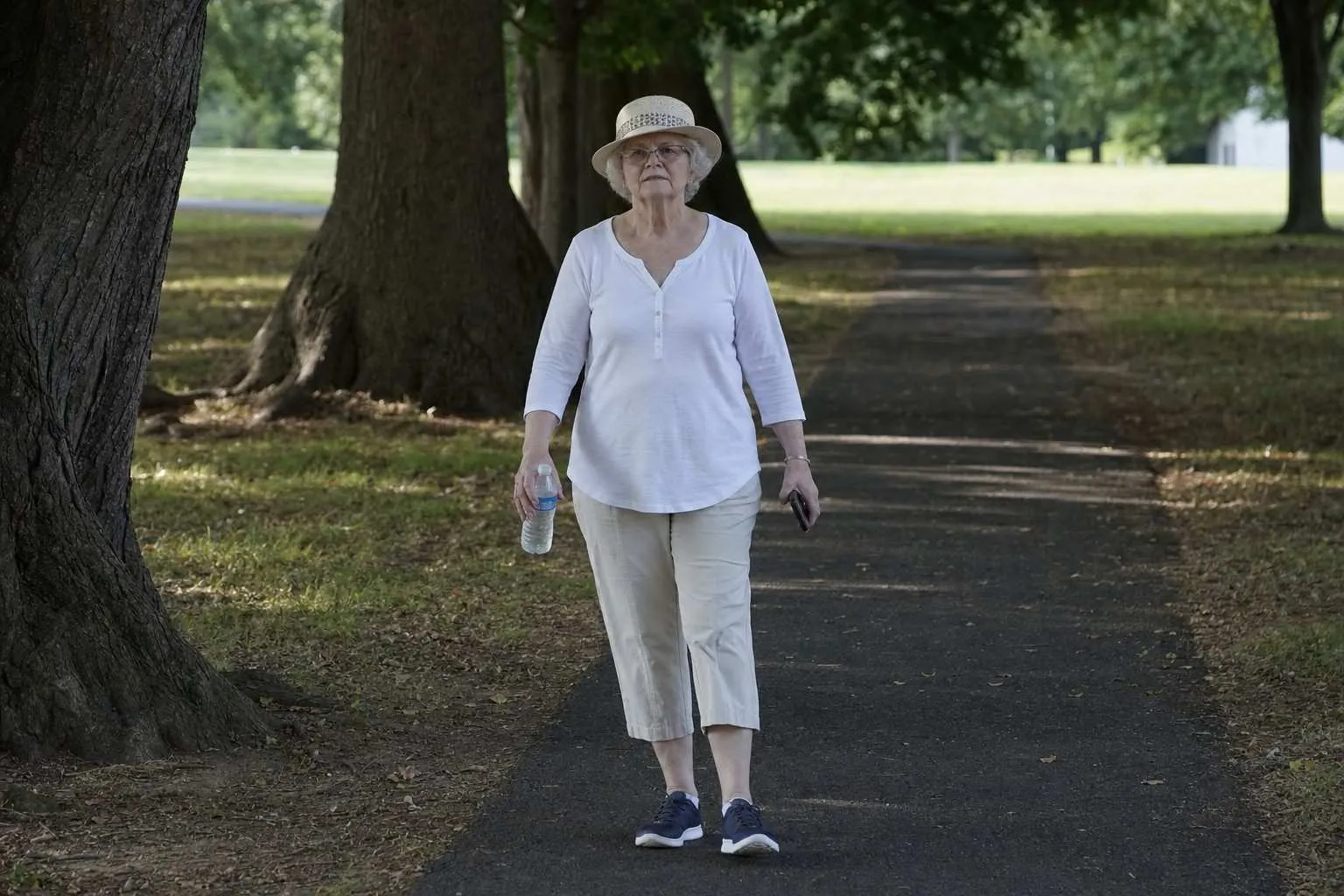
Shade matters more than most people plan for.
A shaded path can run several degrees cooler than open pavement, and the light there is softer too.
Water is the other half of this, and it deserves its own attention rather than an afterthought.
Heat changes what your body needs, well beyond a single water bottle. There is a separate piece on what actually helps with hydration and electrolytes on longer or hotter walks.
Building it into a routine
None of this has to be complicated. A few habits cover most of it.
Check the forecast the night before and pick a start time before the heat builds, not after.
Shade and timing together do more than either one alone. Carry more water than feels necessary, and drink before you feel thirsty rather than after.
If you are still working out how much walking you should even be aiming for, start with the general activity guidelines for older adults. That is a separate question from the heat, but a useful one to calibrate against.
Keep an eye on how you feel, not just the clock.
A walk cut short on a hot day is not a loss.
The camera is still a good reason to be out that early. The heat just makes early the smart hour anyway.