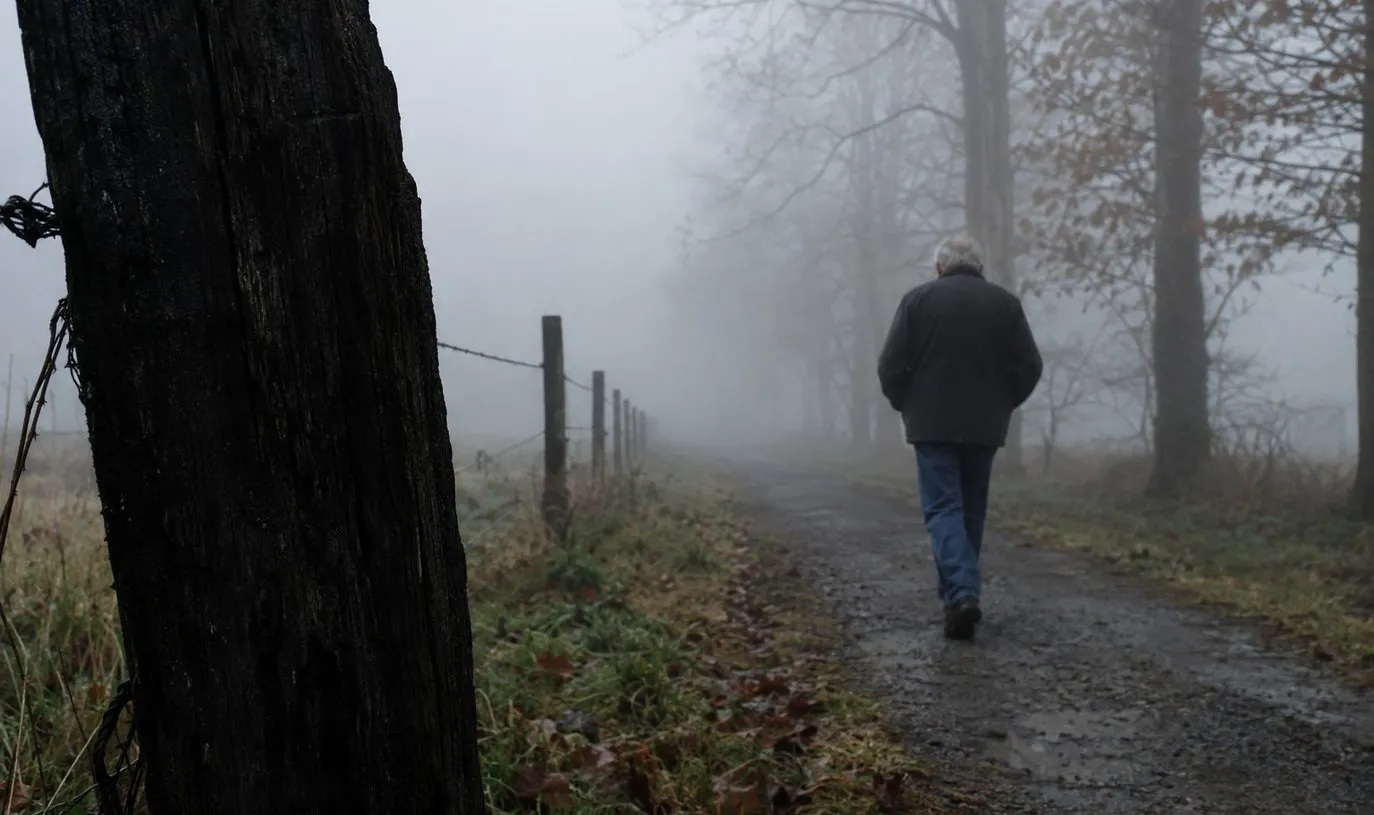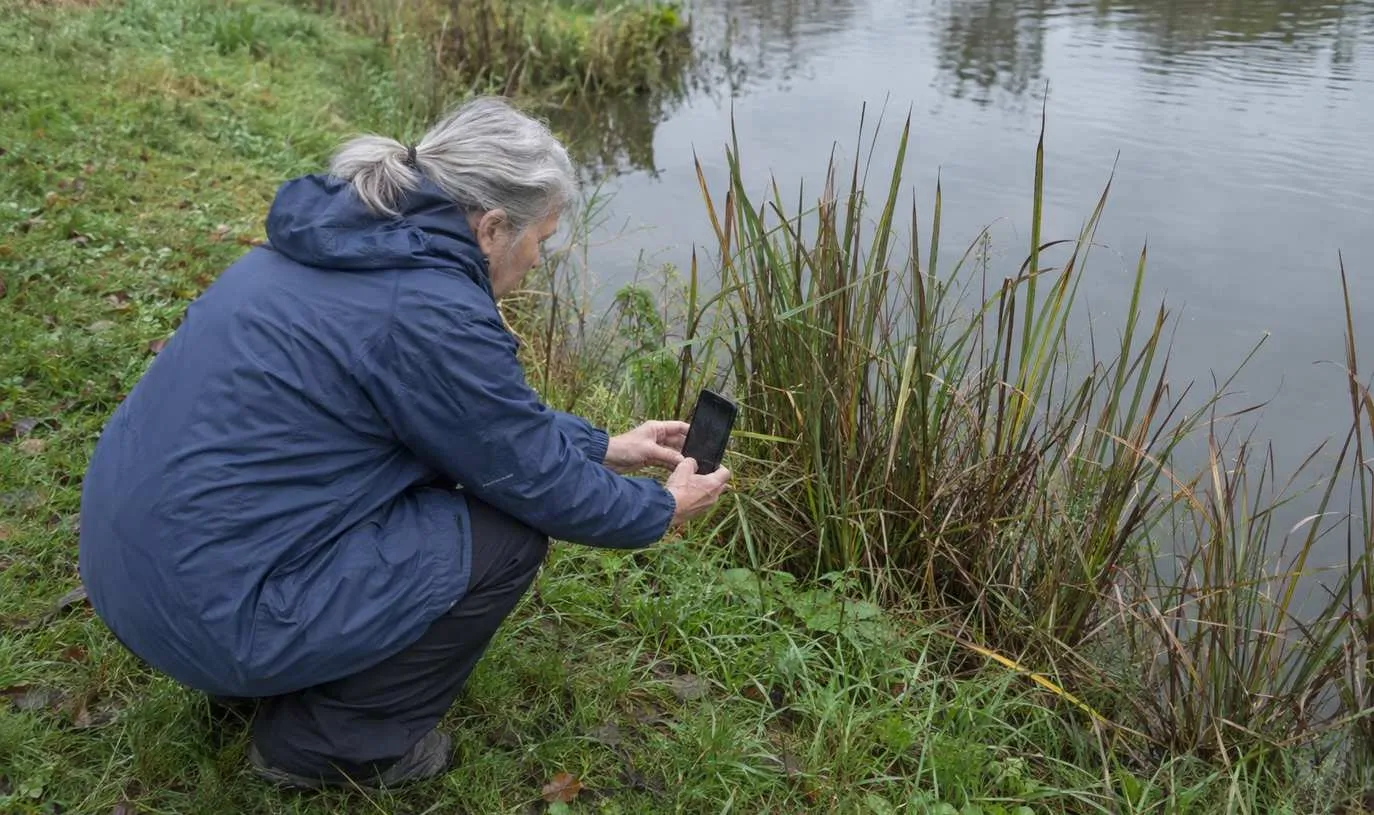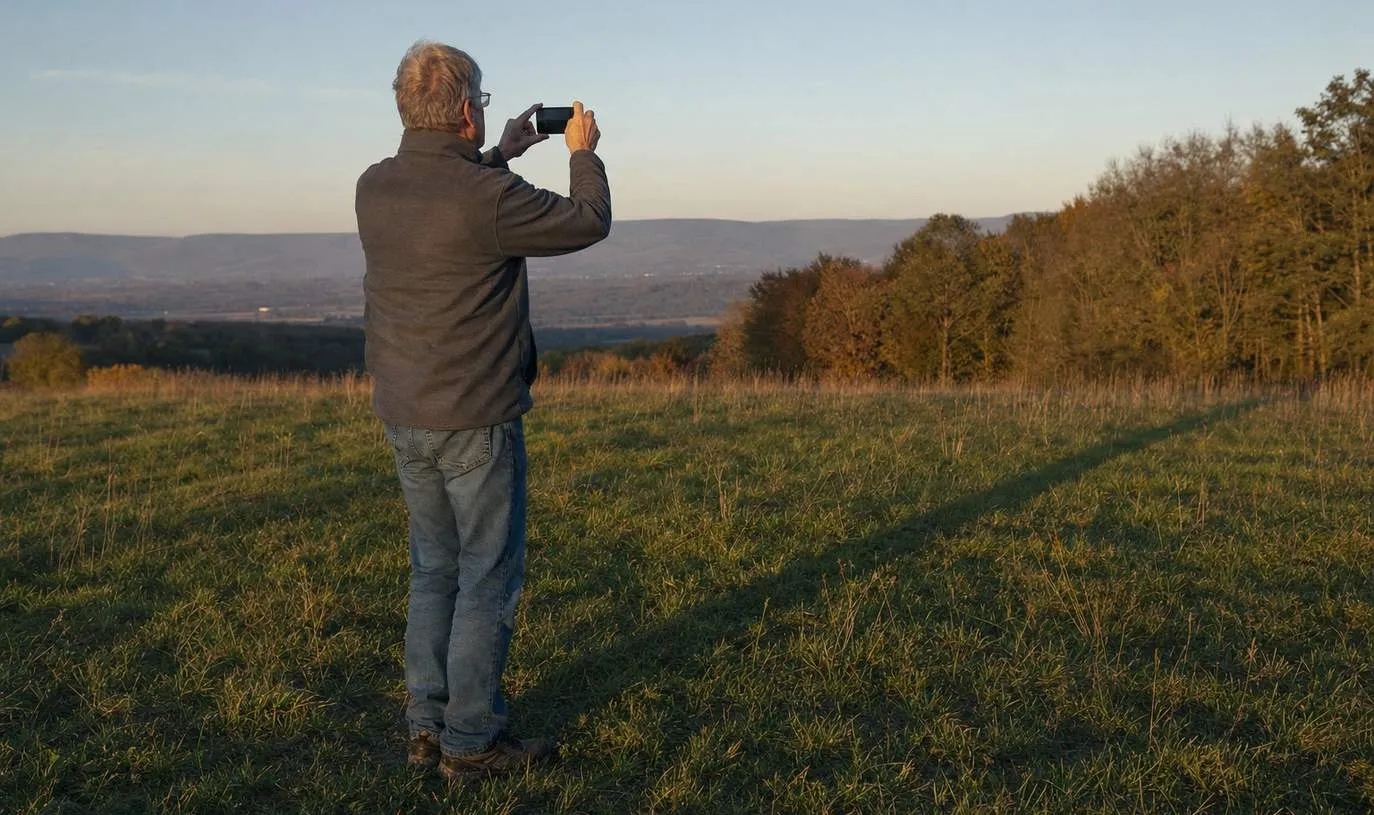
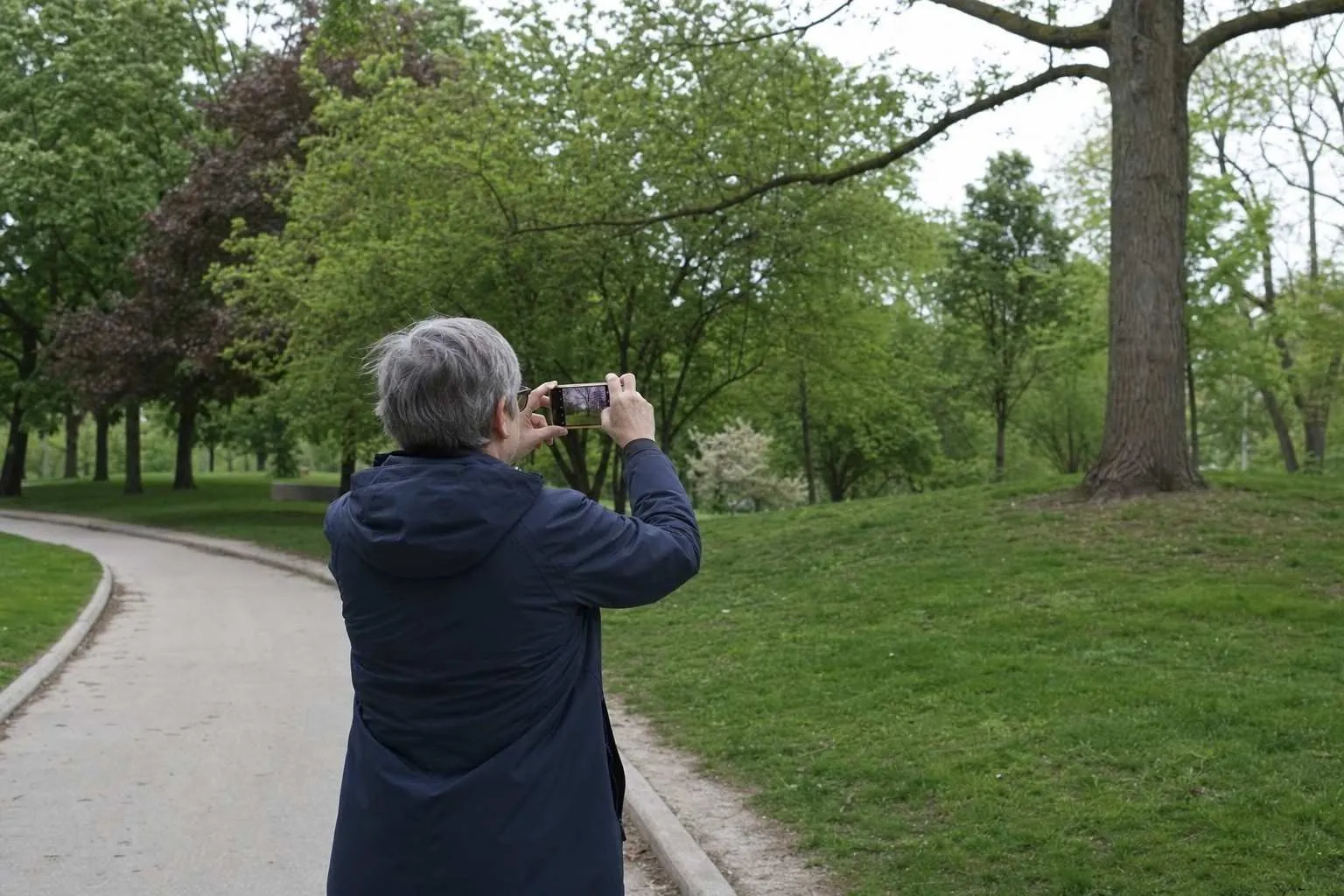
Many outdoor photos look flat and dull compared to what you saw standing there.
The problem was never the phone. It was a handful of fixable habits.
These are the ones that make the biggest difference.
Check the Light Before You Check the Gear
Good light is the one thing you cannot fix later.
Overcast days often beat bright sun. Harsh midday light creates ugly shadows and washes out color. A cloudy sky acts like a giant softbox, and everything looks richer.
The best windows are the hour after sunrise and the hour before sunset. But you do not have to wake up brutally early to catch them. A soft late-afternoon walk near home works just as well.
Overcast days often beat bright sun, and the hour before sunset gives you light you cannot recreate with any filter.
Look at the Weather the Night Before
Weather shapes your shot before you ever press the button.
A few high clouds make a sunrise. A clear sky often makes a flat one. Check the night before, not the morning of, and you can pick the days worth going out for.
This is the same habit that helps when you are planning a sunrise shoot without the painful early alarm. A little pre-trip reading saves a wasted trip.
Rain can also mean interesting skies. Some of the best shots come from a morning you almost skipped.
Move Your Feet More Than You Think

The fastest way to a better photo is free: take three steps in any direction.
Before tapping the shutter, change position on purpose. Crouch lower. Step left so that tree fills the edge. Walk closer so the boring foreground falls out of frame.
A shot taken from exactly where you happened to stop looks like exactly that. Moving your body is the one adjustment that cannot be bought.
Use the Grid and Nudge Your Horizon
Turn on your phone’s camera grid. It takes five seconds and quietly fixes the most common beginner habit.
Stop putting the horizon dead center. Push it up to the top grid line or down to the bottom one. Nudge your subject off-center to where two grid lines cross.
That is it. That is the whole rule.
It sounds like a small thing until you see your first “grid-aware” shot next to a centered one. More on this in composition habits that actually change your photos.
Stabilize the Phone
Low light and longer distances punish shaky hands.
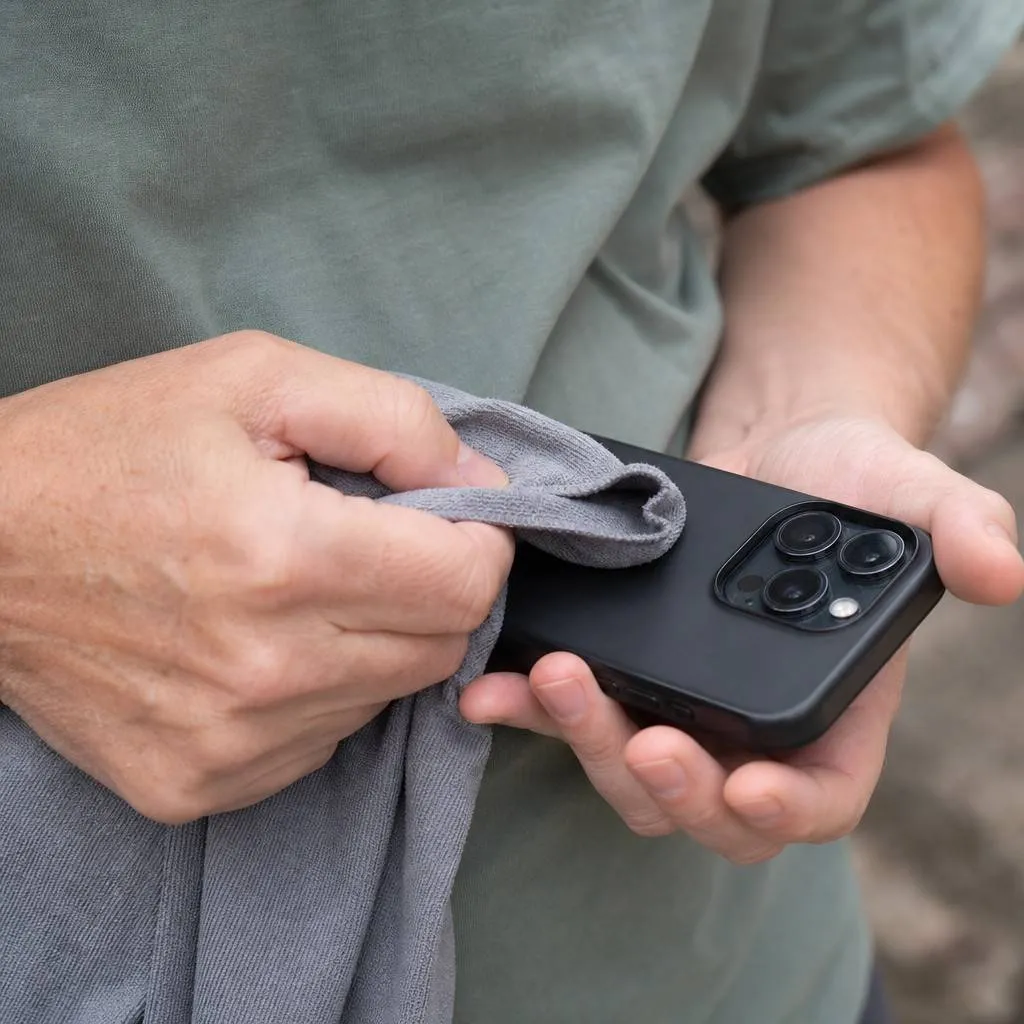
Wipe the lens first. A pocket phone lens picks up grease, and that smear turns any bright area into haze.
Then, for the shot itself, brace your elbows against your body or rest the phone on a fence post, a log, anything solid.
A small clip-on mount or a pocket tripod fixes this for a few dollars. It helps most on early-morning walks when the light is beautiful but the phone needs to stay still for a second.
Clean Up the Background
A great subject gets buried by a busy background.
Before pressing the button, scan the whole frame, not just the subject. A stray branch across a face. A sign popping up behind a tree. One small step left or right usually clears it.
This matters most in close-up nature shots, where the background fights for attention. A few more of those small fixes are in tips for shooting scenic landscapes on a walk.
Take More Frames Than You Think You Need
Outdoor conditions shift quickly. A cloud passes, the wind moves the grass, a bird lands.
Shoot three or four frames of the same scene. One of them is almost always noticeably better than the others, for reasons you cannot fully predict in the moment.
Storage is free. The moment is not repeatable.
None of this needs a newer phone or any extra gear. It needs you to slow down, look at the edges of the frame, and move your feet a little.
Do that consistently and the ordinary phone you already carry starts making photos you want to keep.