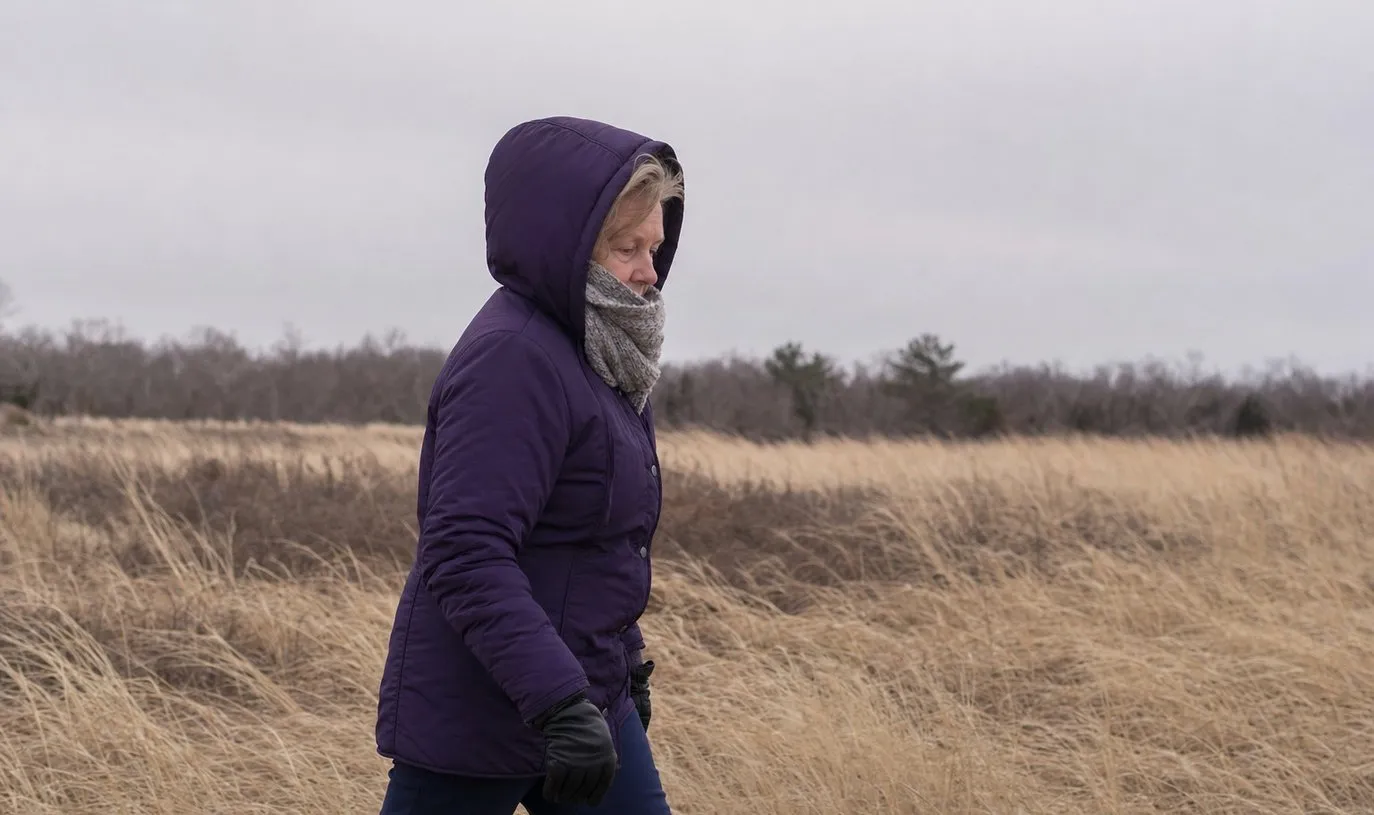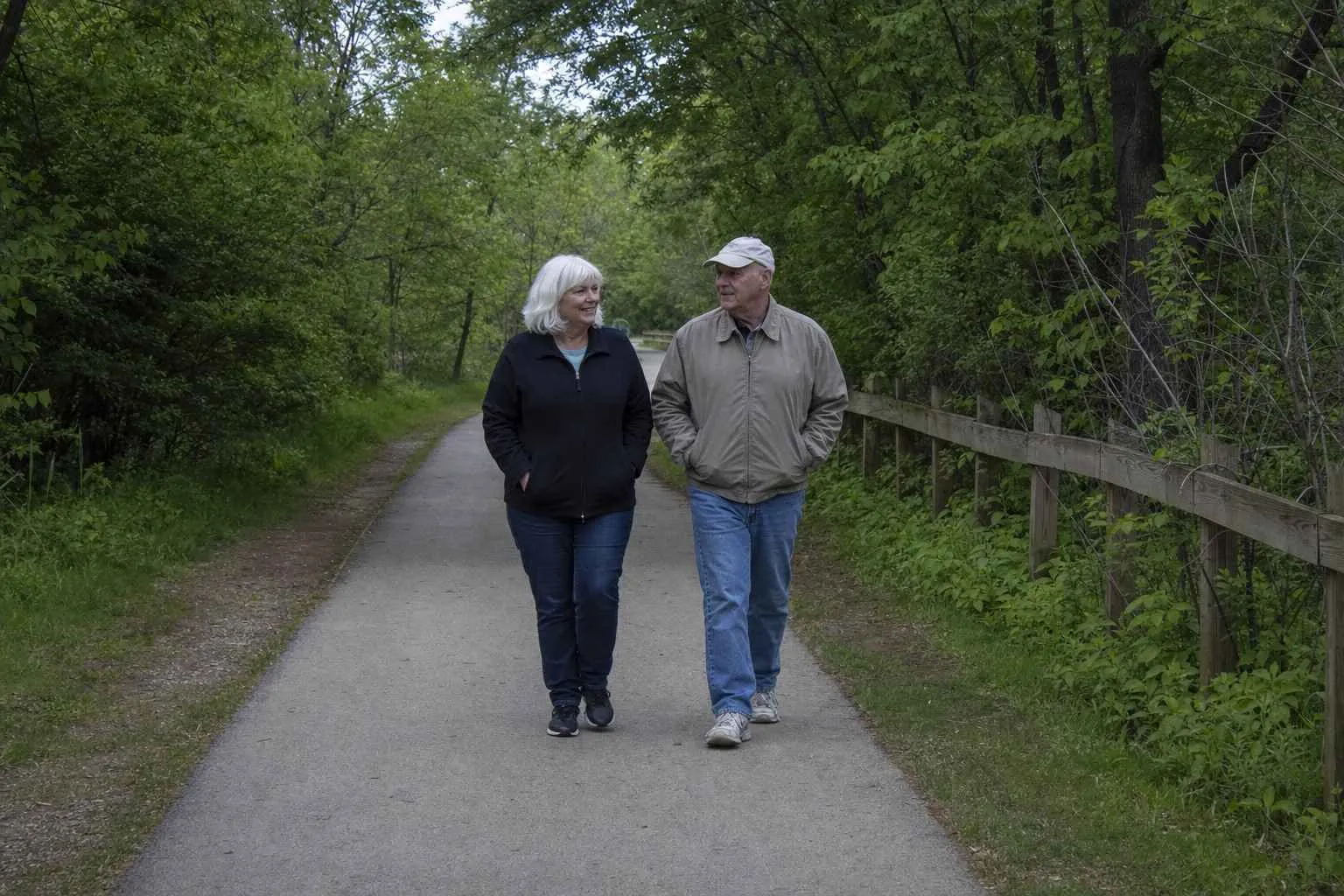
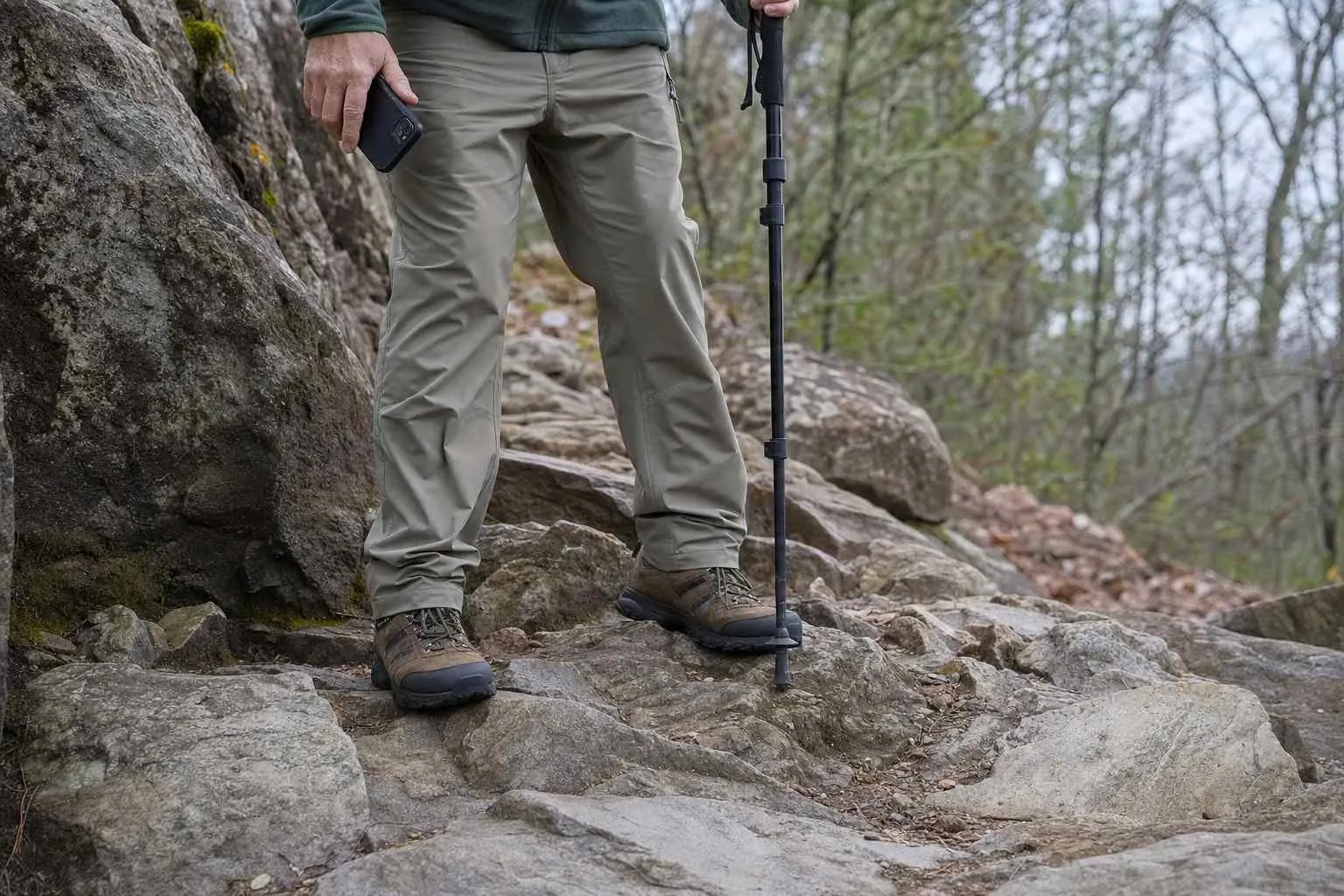
Picture a fall color trip: phone up, thumb hovering over the shutter, eyes locked on the screen instead of the ground.
A boot catches a root that one glance down would have spotted.
Often nobody falls. That is luck, not safety.
That close call is the real risk in outdoor phone photography, and almost nobody talks about it.
The habit nobody warns you about
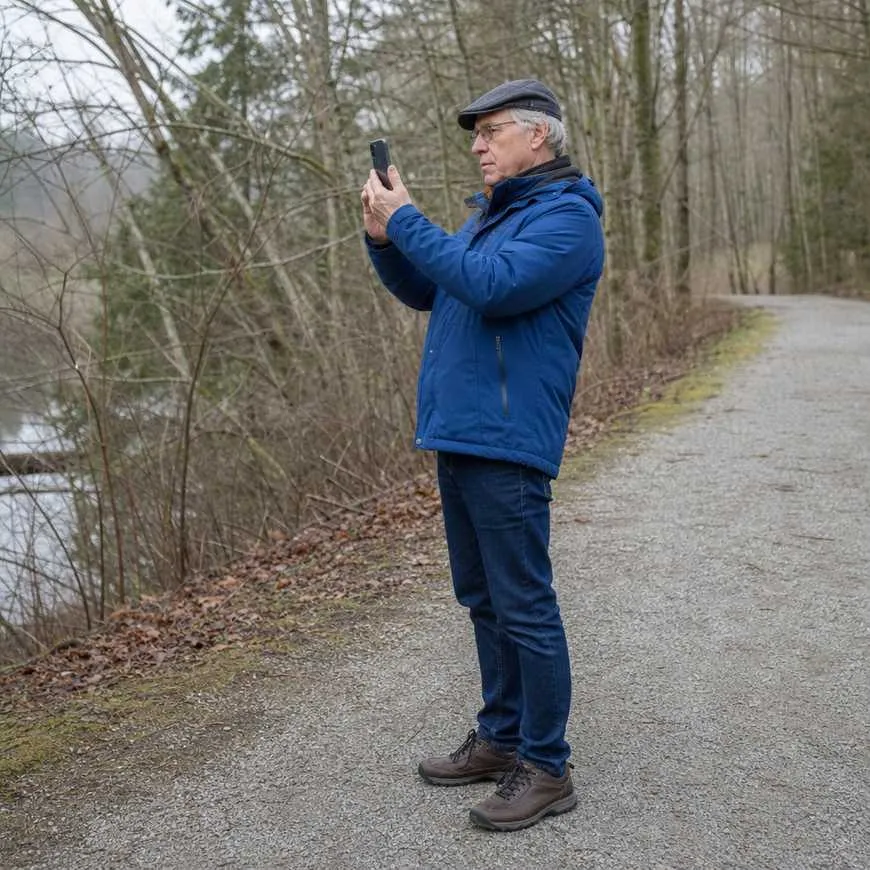
Composing a shot means staring at a small screen while your feet keep moving.
On a sidewalk that is a minor risk.
On a trail with roots, loose gravel, or a rutted edge, it is a real one.
Divided attention on uneven ground is the actual hazard, not the phone itself.
Your eyes tell your brain the ground ahead is fine, because that is what it looked like a few steps back.
The ground changes. Your eyes do not, not until you look again.
Bright sun makes it worse.
A washed out screen means tilting your head down further and holding that position longer just to see what you are framing.
What the numbers actually say
This is not a small or rare problem.
According to the National Institute on Aging, more than one in four people age 65 or older fall each year.
The risk keeps rising with age.
That figure holds whether or not a camera is involved. Add a phone screen and a trail that needs your attention, and the odds tilt further.
There is a hopeful side to the same guidance too. Many falls can be prevented, through steps like staying active, keeping on top of medications, and having your vision checked regularly.
Conditions and medications that stack the odds

A few everyday factors make a stumble more likely, and they are worth knowing rather than guessing at.
- Conditions such as diabetes, heart disease, or problems with the thyroid, nerves, feet, or blood vessels can affect balance, the National Institute on Aging notes.
- Foot pain and unsafe footwear, including backless shoes, can raise fall risk on their own.
- Some medications carry dizziness or confusion as a side effect, which raises the odds of a stumble too.
If you take medication or manage a condition that affects your balance, talk to your doctor about what is safe for you on a trail.
Rules for shooting on uneven ground
A root is easy to miss when you are looking at a screen.
These are the habits that keep you upright.
- Stop walking before you shoot. A moving foot and a phone screen do not mix.
- Plant your feet first, then compose. Find solid ground before you raise the phone.
- Look at the ground before the screen. Check your footing, then look up to frame the shot.
- Mind your footwear. Grippy soles matter more than any lens attachment you can buy.
- Use a trekking pole on rough ground. A third point of contact catches what your eyes miss.
- Step off the path edge only when it is flat and firm, never to chase a better angle on soft or sloped ground.
- Never back up for a wider shot without checking behind you first. Backing away from the frame is how people miss a curb or a drop entirely.
The ground changes. Your eyes do not, not until you look again.
The backing up rule matters most, because a curb or a drop behind you is easy to forget.
Why Bring the Camera at All
None of this is a reason to stay home.
Walking with a camera in hand is still one of the better reasons to get outside and keep moving. It is the same purpose behind why walking with a camera keeps you active.
Walking and hiking with a camera gives the walk a purpose, which is how the habit sticks.
If you are newer to trails than sidewalks, the basics on taking your first hike cover pace and gear before footing habits like these matter.
Getting outside year-round is a habit, not a heroic effort, and small, safe outings beat none.
The same footing rules carry over to walking safely on ice and snow. The surface can change without warning, even on a route you know well.
Getting outside year-round is a habit, not a heroic effort, and small, safe outings beat none.
The bigger question of how much time on your feet is enough gets its own answer. See the notes on how much walking you actually need after 60.
For photography, the answer to staying upright is smaller. Look down before you look at the screen, and let the shot wait the two seconds it takes to plant your feet.