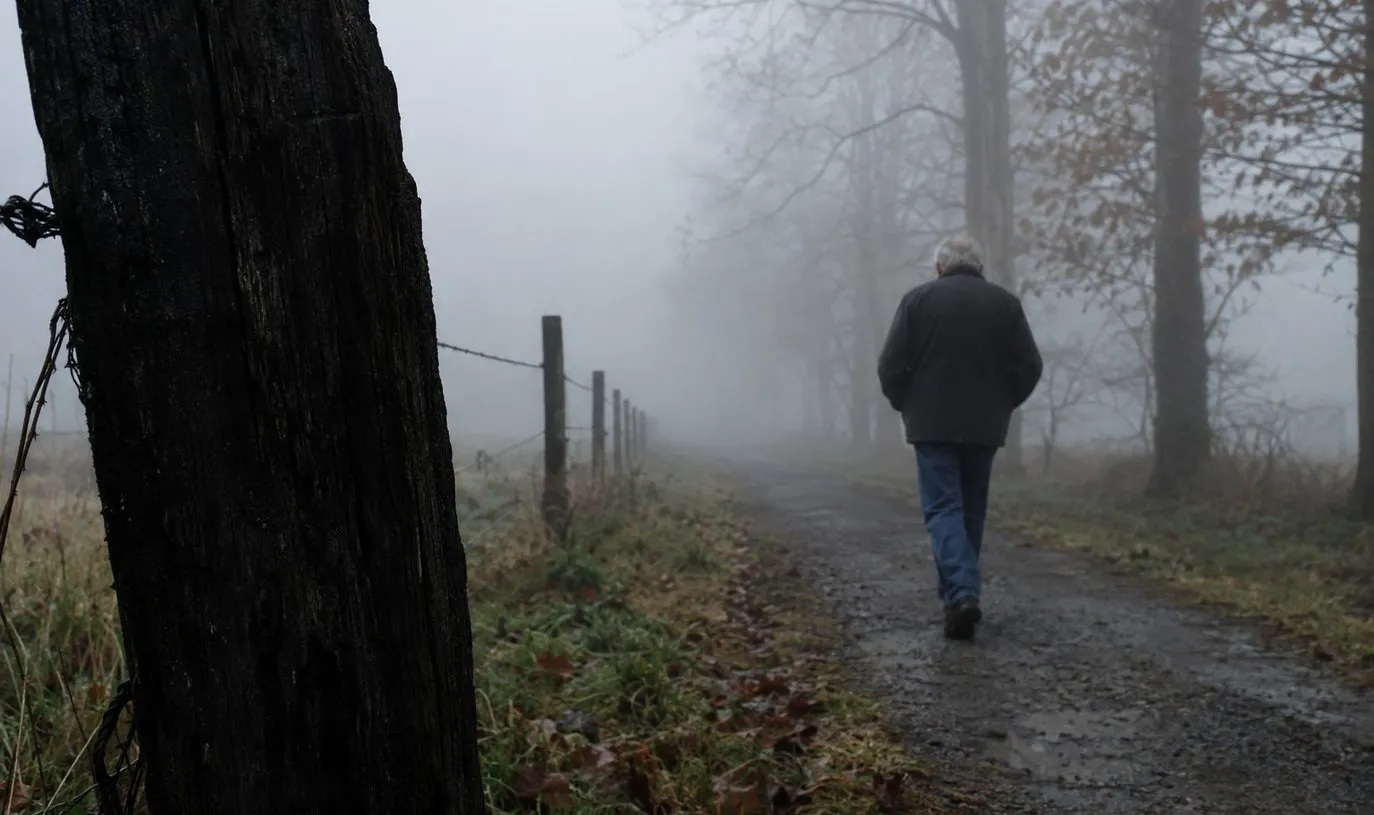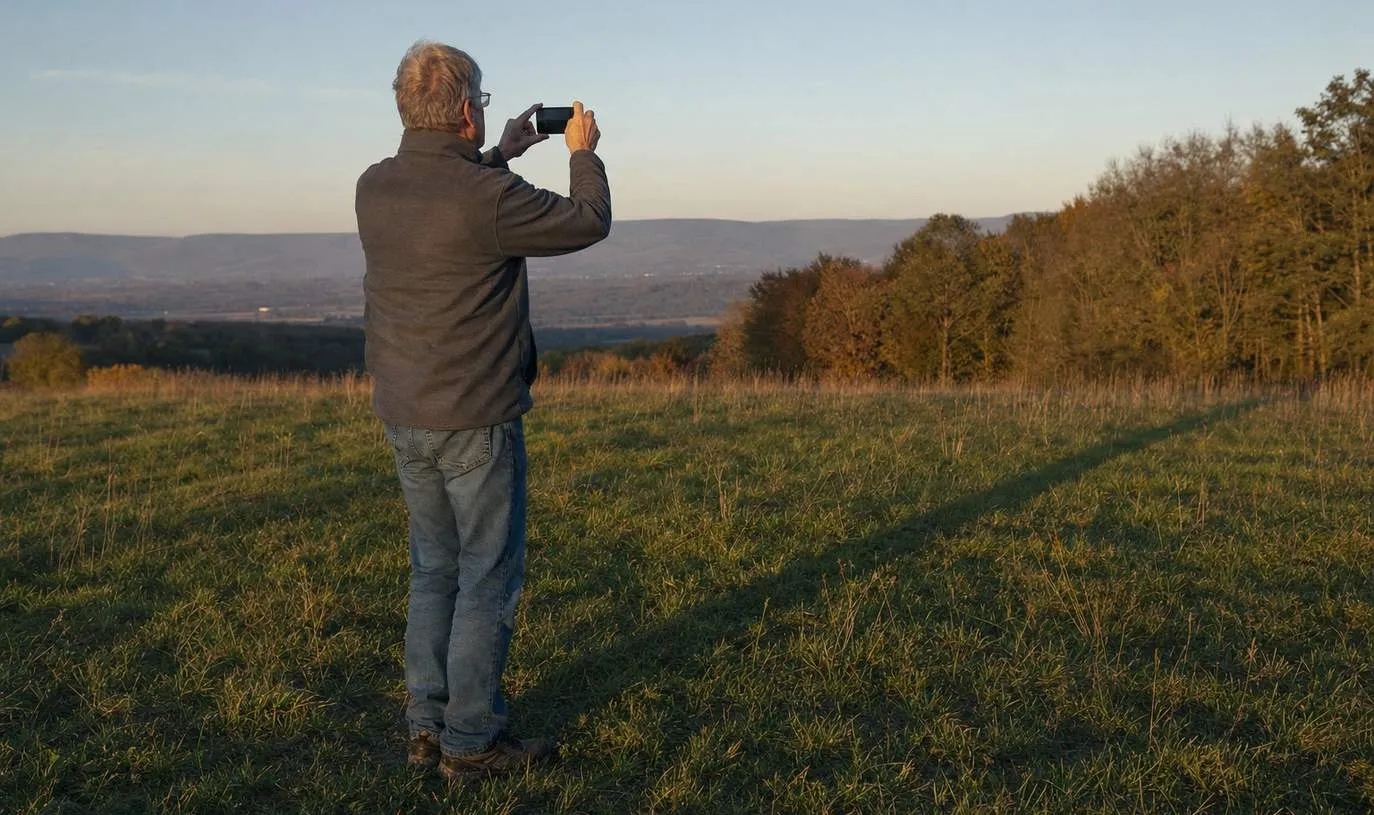
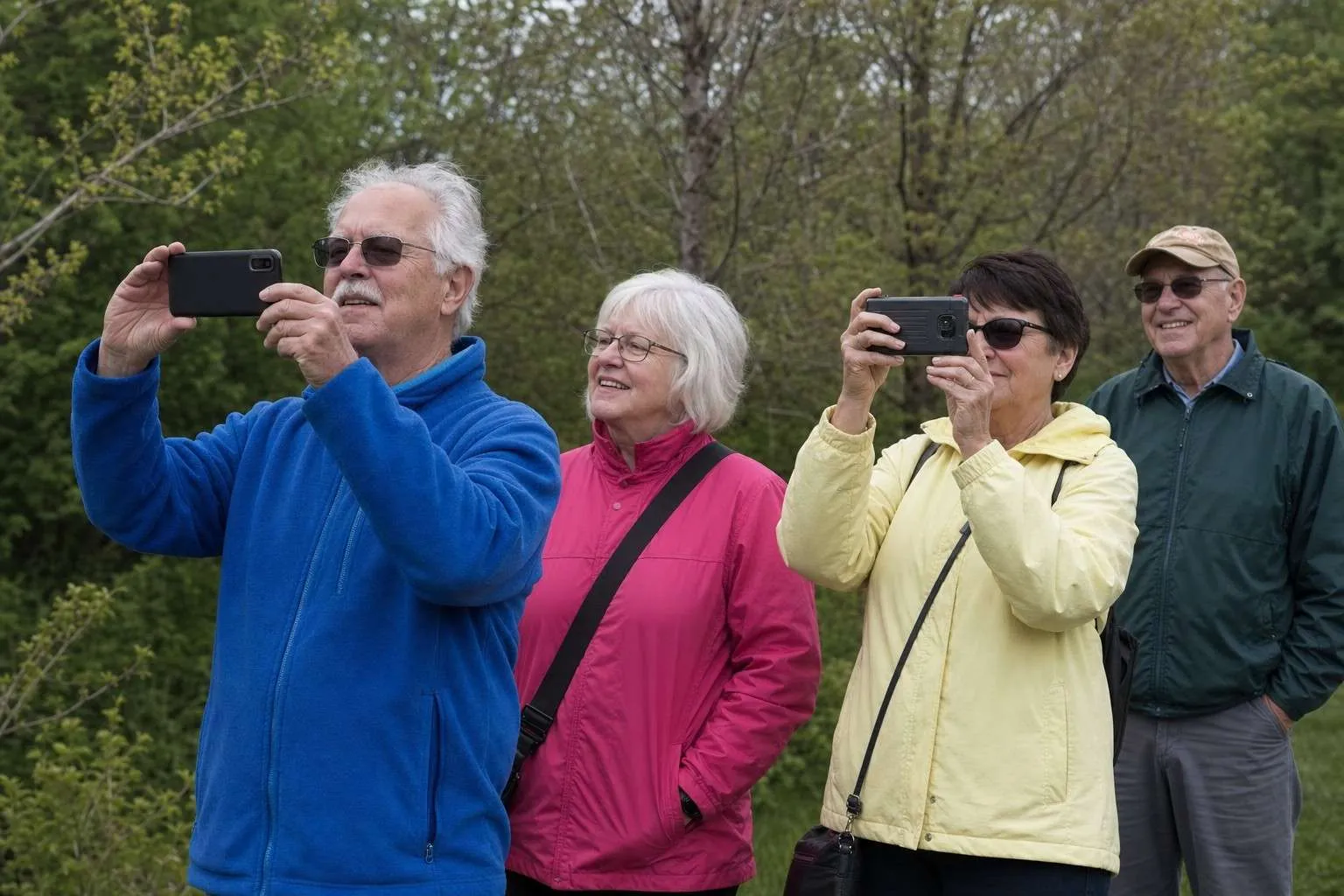
The best walks have a point to them.
Not a fitness point. Nobody is counting steps or tracking pace.
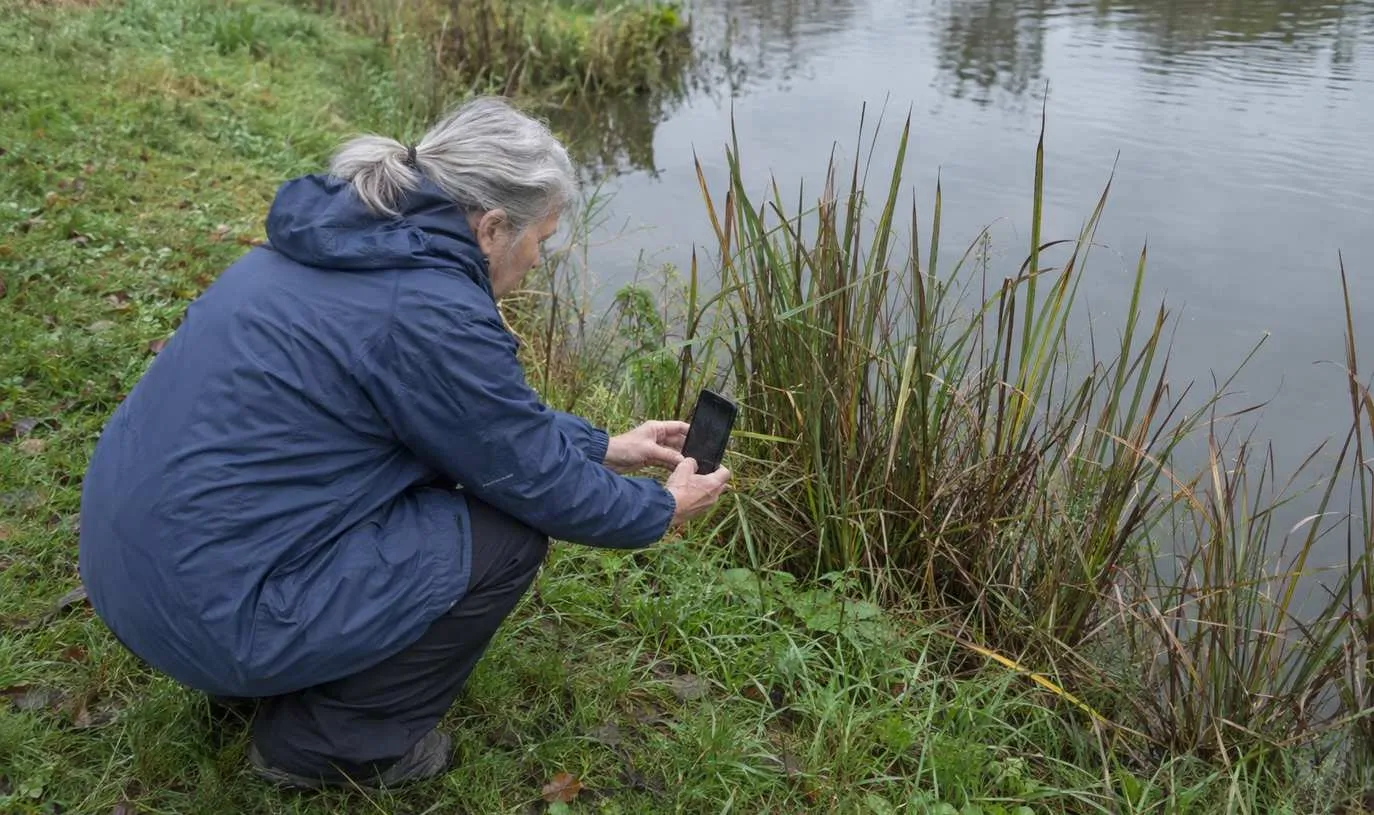
A photo point. A bench near a small pond where the light gets interesting in the late morning is reason enough to keep going back and try to get the reflection right.
Walking with a camera gives the walk a reason, and that is half of why the habit sticks.
As a hobby that gets you outside and keeps your head engaged, outdoor photography is hard to beat.
Here is what tends to happen once you get more serious about it.
The Camera Turns a Walk Into Something Else
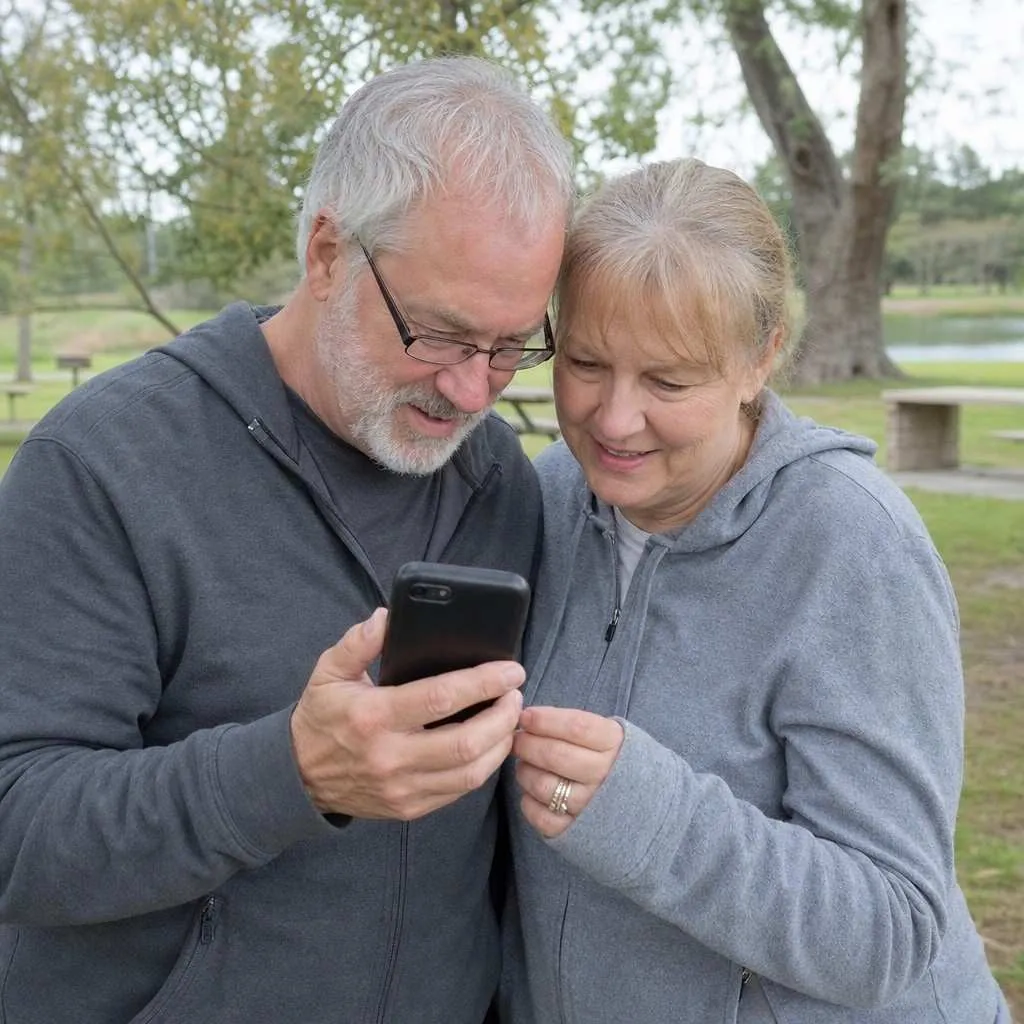
There is a real difference between going for a walk and going out to look for something worth photographing.
On a plain walk, you are aware you are walking.
On a photo walk, you are looking at the light on a fence, deciding whether to move three steps left, wondering if the clouds will shift before you press the button.
You forget you are exercising because you are too busy deciding.
A two-hour photo walk can cover more ground than a deliberate fitness outing. Not because you push yourself. Because there is always one more angle to try.
Walking with a camera gives the walk a purpose, which is how the habit sticks.
You Already Have the Camera
The phone in your pocket shoots better photos than most dedicated cameras did ten years ago.
You do not need to buy anything to start. The techniques that matter. Where you stand, when the light is right, keeping the horizon level. Work exactly the same on a phone as on a dedicated camera.
If you do want to spend a little later on, a small clip-on mount or a cheap lens cloth fixes real problems without costing much.
There is a short list of cheap phone photography accessories that actually help if you want to know what’s worth buying.
But start with the phone you have. Gear comes later, if at all.
It Adapts to Whatever Day You Are Having
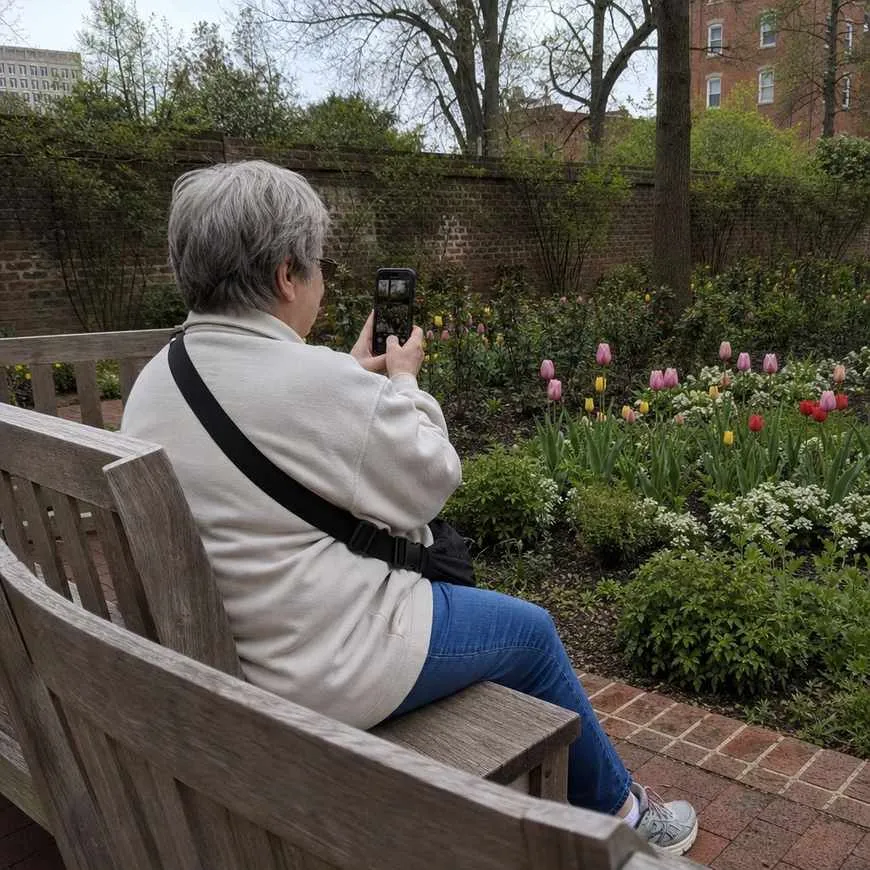
Here is the pleasant surprise: the hobby bends around you instead of the other way around.
- On a good day, you walk a longer trail and chase the light
- On a slower day, you photograph your backyard or a nearby park bench
- When it is cold or drizzly, you go for twenty minutes instead of two hours
You set the pace and the distance. There is no correct amount. Some of the best shots come from five-minute detours on ordinary errands.
The camera does not care how far you walked. It just cares that you were paying attention.
It Makes You Notice Things You Walked Past Before
Something shifts after you spend a few weeks photographing outdoors.
You start looking at light differently. Not just whether it is bright or dim, but the angle of it, the color, whether it is harsh or soft.
You notice the way shadows move through the day. The texture of moss on a stone wall.
Carrying a camera trains you to look closely, and that attention does not turn off when you put the phone away.
Familiar places keep showing you new things. The same park can look completely different at 8am versus noon versus an overcast afternoon. Going back to the same spot again and again keeps turning up something new.
The Techniques Are Simple to Pick Up
Outdoor photography is one of those things where a handful of basics takes you most of the way.
The most useful habit to build early: before pressing the button, move. Take three steps left, crouch down, shift until a branch or a wall frames the edge of the shot.
The photo you get from a slightly different position is almost always better than the first one.
For the mechanics of light, timing, and composition, practical outdoor photography tips covers the things that actually make a difference. Without any of the jargon.
The skill builds gradually, and that is part of what keeps it interesting.
The Outdoors Part Matters Too
There is something about being outside for a reason, not just passing through it.
When you are looking for a shot, you slow down. You watch the light move.
You can sit on a rock and wait for a heron to shift position. That kind of slow, attentive outdoor time feels different from a walk where you are just moving from A to B.
For more on why that time outside tends to pay off, even in small doses, there is a piece on the real benefits of walking that gets into it honestly.
Where to Start
Pick up your phone. Step outside. Look for light that is doing something interesting. Early morning and late afternoon are both forgiving; overcast days are better than bright sun for most outdoor shots.
If you are thinking about adding more activity to your routine, talk to your doctor first.
Take a bad photo. Then take another one from a slightly different spot.
That is the entire beginning. The rest follows from there.