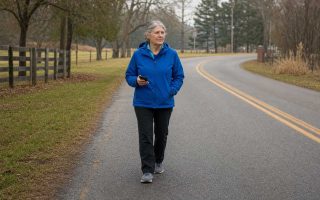
I used to skip my walks the moment the forecast said snow.
Not out of laziness. I just did not want to fall. At my age, a fall is not a minor inconvenience. It is three weeks recovering and rethinking everything.
Getting out safely in winter takes a handful of habits, not heroics.
This is not medical advice. If you have balance issues, joint problems, or anything else that makes ice riskier for you, please check with your doctor before changing how you move in winter. And always check current local conditions before you head out. A forecast from the night before is not the same as what the sidewalk looks like at 7am.
With that said: here is what has actually worked for me.
Check Conditions Before You Go
The National Weather Service advises that winter conditions can change quickly. What looks like a clear morning can mean black ice after an overnight re-freeze.
Check a current local forecast, not yesterday’s news.
I use a weather app that shows the overnight low. If it dropped below freezing after any daytime melt, I assume icy patches regardless of what things look like from the window.
Winter conditions shift fast. A clear morning can mean re-frozen overnight melt underfoot. And that is the most dangerous kind.
Five minutes of checking saves a lot of grief.
Footwear Is the Single Biggest Variable
I wore regular trail runners for two winters and slid around more than I should have.
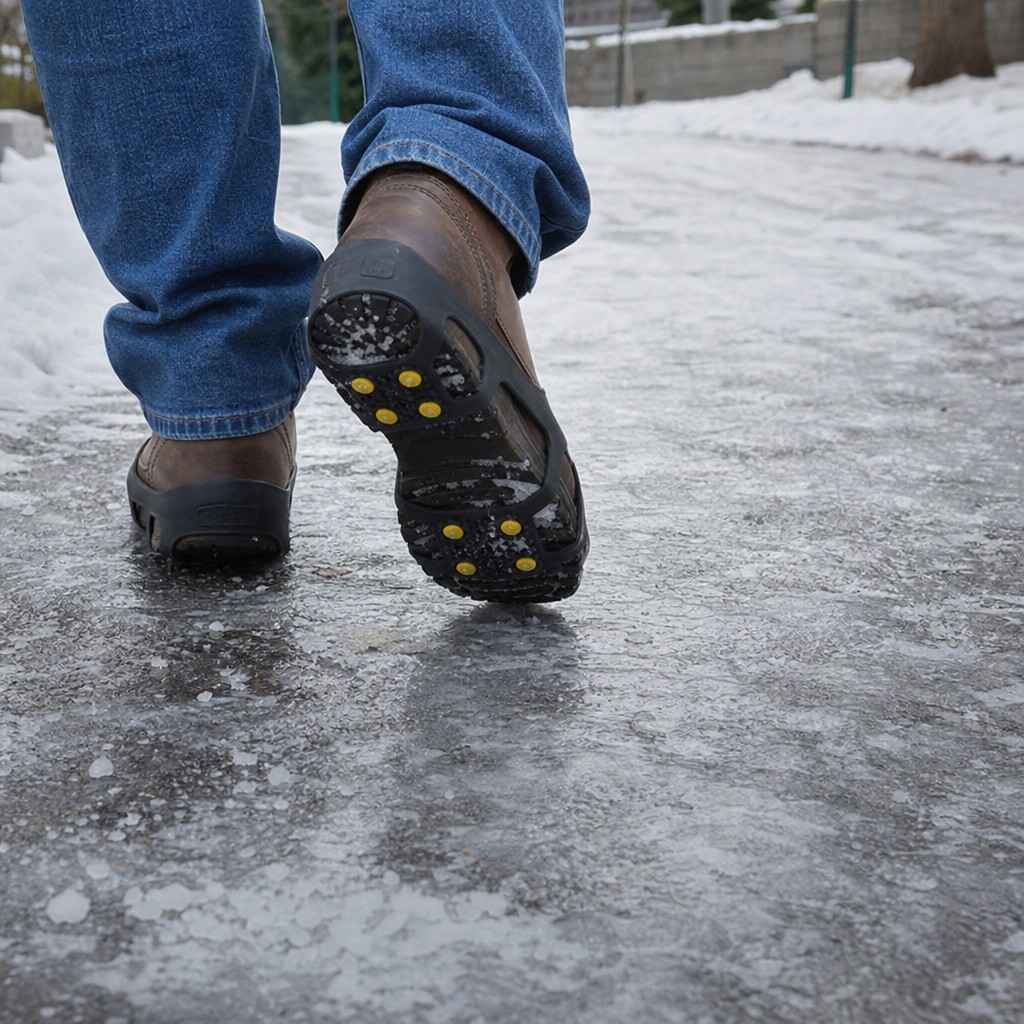
Boots with rubber or neoprene soles grip ice far better than smooth leather or worn-out treads.
Thick, deep tread patterns designed for winter conditions make a real difference. Tread wears down gradually. I check mine before the season, not after a close call.
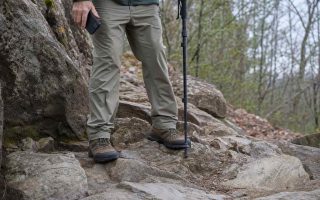
For genuinely icy days, removable ice cleats that strap over existing boots are worth considering. They attach in seconds and come off when you step indoors. If you are heading out on your first longer hike, footwear is the same first conversation there too.
Keep boots snug but not tight. A loose boot wobbles at the ankle and adds slip risk on uneven snow.
How You Walk Changes Everything
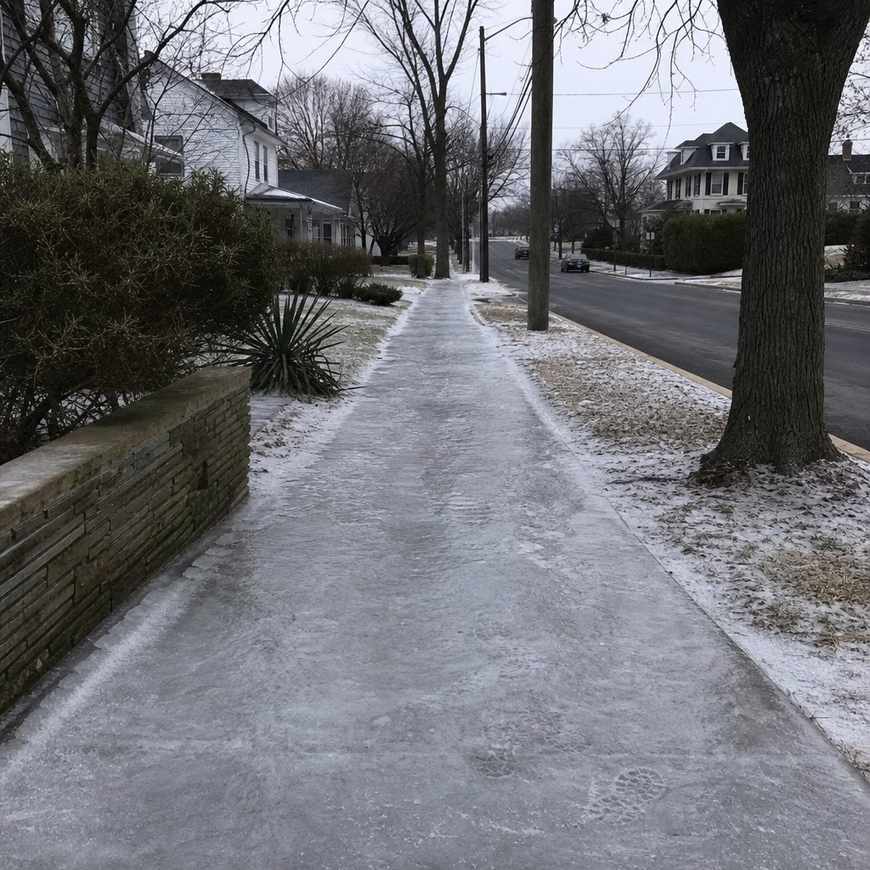
Dry-pavement habits do not transfer to snow and ice.
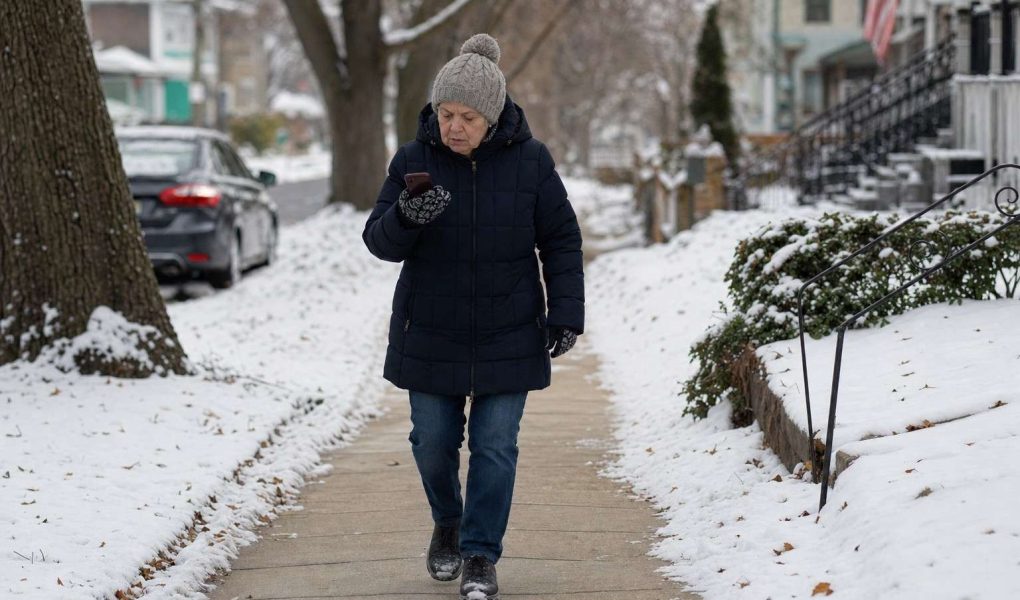
Short, deliberate steps. Shuffling if needed. Keep your centre of gravity over your feet.
Lean slightly forward, not back. Hands out of pockets: if you start to go, you want your arms free to react. Feet flat to the surface, not landing on your toes.
Slow down more than feels necessary. On ice, the instinct to speed up and get it over with is exactly backwards.
Pick Your Route With Ice in Mind
Not every cleared path is equally safe.
North-facing sections and shaded spots hold ice long after sunny stretches are dry.
I have a mental map of the patches on my usual route that refreeze first. Grassy edges alongside cleared pavement sometimes offer better grip than icy concrete, worth knowing.
Shortcuts across snow piles hide uneven ground and buried ice underneath. Not worth it.
Walking for photos in winter is one of the reasons I keep going out. the walking-with-a-camera habit actually changes the calculation on cold mornings. A good shot of frost on a railing is worth the careful steps to get there.
Tell Someone Your Route
This one costs nothing and most people skip it.
Before you go out on a slippery morning, tell someone where you are walking and roughly when you expect to be back.
It sounds fussy. It matters.
A phone in your pocket is good. A person who knows you left and expects you back is better. On an icy morning you might not have service, your battery might be low, or a fall might leave you unable to call.
This is the habit I took most seriously after I read about snowshoeing and winter-walking safety for beginners. The route-sharing piece comes up there too.
Layer Up, But Do Not Overheat
Winter walking generates more heat than you expect once you are moving.
Dress in layers you can open or remove, not one heavy coat you are stuck with.
A moisture-wicking base layer, an insulating mid-layer, and a wind-resistant outer layer covers most winter mornings. The trap is starting out warm and then sweating through everything on the way back.
Keep your hands warm. Cold hands slow your reaction time. A hat matters more than most people think; a lot of heat goes out the top.
What to Do If You Do Fall
Even careful walkers fall occasionally on ice.
Stay relaxed if you feel yourself going. Tension makes impact worse.
Tuck the chin, bend elbows and knees, try to roll rather than brace stiffly. The goal is spreading the impact, not stopping it with a locked wrist or elbow.
If you are hurt, stay still and call for help rather than trying to push through it.
Winter does not have to mean staying in.
A few habits. Better boots, shorter steps, a quick conditions check, and a word to someone before you go. Cover most of what actually goes wrong.
I walk year-round now. Some of my better phone shots have come from frosty mornings that looked unpromising from inside. Getting out safely is the whole game.