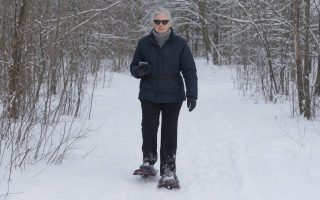
As I’m turning 60, I think more about my health than I ever used to.
Not obsessively. But enough that I started paying attention to what actually moves the needle for someone my age, without a gym membership or a fancy plan.
Walking turned out to be the answer I kept coming back to.
Not because I read a program about it. Because I actually did it, and noticed what changed.
It Does Not Have to Be a Big Commitment
The National Institute on Aging suggests that even moderate regular walking can help older adults maintain mobility and reduce the risk of some chronic conditions. That tracks with my experience. If you are wondering exactly how much walking you actually need after 60, the official guidelines are gentler than most people expect.
When I started, I was not doing 10,000 steps. I was doing a lap around the block.
Starting small and going consistently beats starting big and stopping after two weeks.
If you have been inactive for a while, slow and steady genuinely works. Your body adjusts and the next walk feels a little easier.
Getting started is the hardest part. Once you have a week of short walks behind you, the habit starts to take care of itself.
A word before we go further: I am not a doctor, and nothing here is medical advice. Talk to your doctor before starting something new, especially if you have any existing health concerns.
Why Walking Sticks When Other Things Don’t
I have tried other forms of exercise over the years. Most of them required gear, planning, or a commute to a gym. Walking requires none of that.
You just go out the door.
That simplicity is underrated. There is nothing to prepare, no membership to justify, and no equipment to dig out of a closet. The bar to starting is as low as putting on shoes.
Walking also builds gently. It is easy on the joints compared to running. You move at your own pace without competing against anyone else.
The Camera Changed Everything for Me
Here is the thing that actually made walking a habit for me: I brought my phone and started taking photos.
Walking with a camera gives the walk a purpose, which is half the reason I keep going.
A 45-minute walk to nowhere feels like a chore. The same 45 minutes looking for light on a pond, or a good angle on a trail, feels like something I chose to do. That difference matters more than I expected.
If you are on the same road I was, there is a piece I wrote about how walking with a camera keeps you active that goes deeper into why the two work so well together.
And if you want to take this further, outdoor photography tips for people getting started later in life is worth a read. It is aimed exactly at the crowd I am part of.
What to Actually Do in the First Week
No program. Just a few things that helped me.
- Go shorter than you think you need to. Fifteen minutes is a real walk. Come home feeling good rather than wiped out.
- Pick a route you like. A trail with a view beats a suburban sidewalk for motivation, even if the trail is shorter.
- Leave your phone on do-not-disturb but bring it as a camera. It shifts your attention from the inbox to what is actually around you.
- Note one thing you saw. A bird, good light on the water, an odd tree. It keeps the habit from going invisible.
Building Up From There
Once short walks feel easy, you can start thinking about rougher ground.
Hiking is just walking with better scenery, and building a daily walking habit is the best preparation for it. Your balance and coordination improve without you noticing, which matters a lot on uneven trails.
When you feel ready to try something longer, my piece on going on a hike for the first time covers what to expect and how to make it comfortable.
Getting outside more in my late 50s has been one of the simpler good decisions I have made. Not transformative, not dramatic, just consistently better than sitting still.
Start short, stay consistent, and bring your phone. The rest follows.