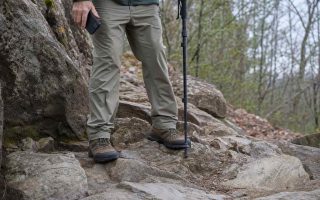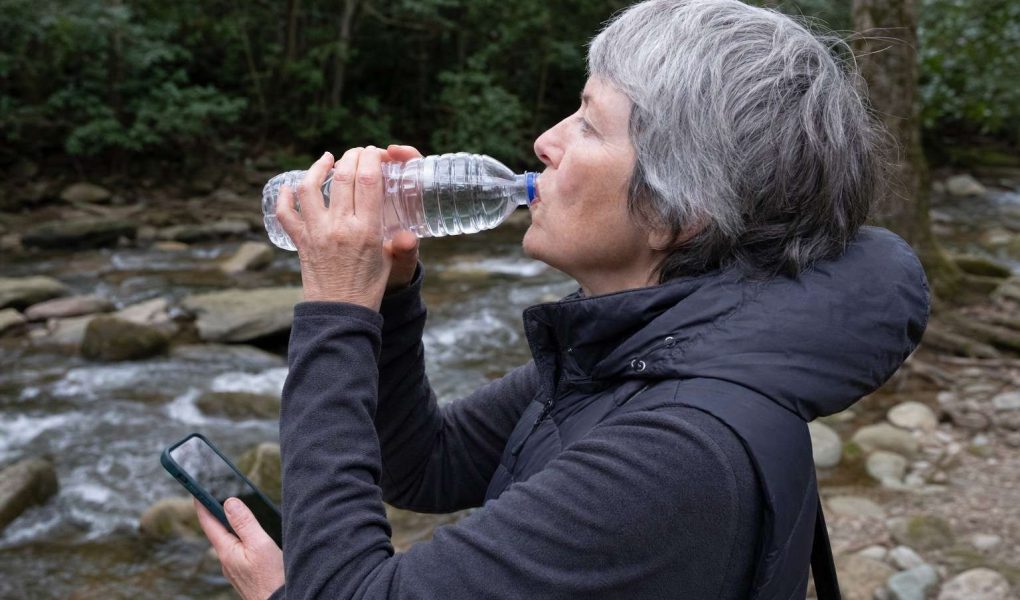
One thing I have noticed since I started walking more in my late 50s: staying comfortable on a longer outing takes a bit more attention than it used to.
Hydration is the big one.
A quick note before anything else: I am not a doctor, and nothing here is medical advice. If you have a health condition, take medication, or have any concerns about hydration and exercise, please talk to your doctor before changing your routine. That applies especially to electrolytes, which can interact with certain conditions and medications.
With that said, here is what has worked for me as a hobbyist who walks and hikes a few times a week.
Thirst Becomes a Less Reliable Guide
The general understanding among health professionals is that as we get older, our sense of thirst can become less dependable. You may not feel the urge to drink until you are already running a little low.
Drink on a schedule, not just when you feel thirsty.
That is the single most useful habit shift I made. I aim to take a few sips every 20 minutes or so, whether I feel like it or not. On a short neighborhood walk that probably does not matter much. On a longer trail in warm weather, it makes a real difference in how I feel at the end.
If you are thinking about going on a hike for the first time, this is honestly one of the most practical things to build in from the start.
Water Alone May Not Be Enough
Plain water is fine for shorter, easy outings. But when a walk stretches past an hour, or the weather is warm, or the terrain is hilly, something with a little electrolyte balance seems to help.
Electrolytes are minerals, mainly sodium and potassium, that your body uses to maintain fluid balance and keep your muscles working comfortably. You lose some of them when you sweat.
Adding an electrolyte source on longer outings is a simple habit with a noticeable payoff.
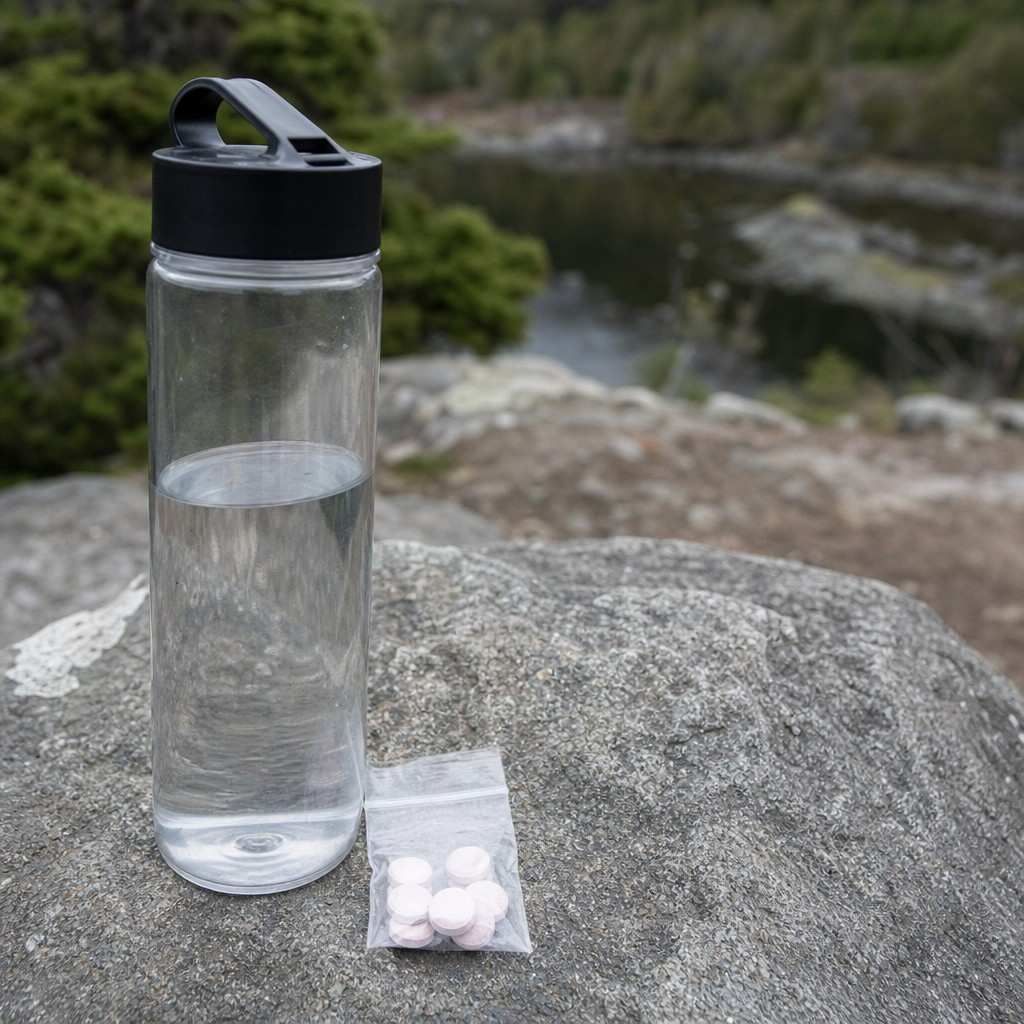
I keep a few electrolyte tablet packs in my pack. They are inexpensive, dissolve in water, and take up almost no space. A sports drink works too, though most contain quite a bit of sugar if that is something you are watching.
I am not going to give you specific amounts or dosages. Your needs depend on your health, any medications you take, how much you sweat, the temperature, and the length of your outing. Your doctor is the right person to talk to about what makes sense for you specifically.
Staying hydrated on the trail is not complicated. Drink before you feel thirsty, bring more water than you think you need, and on longer days add something with electrolytes.
Signs Worth Paying Attention To
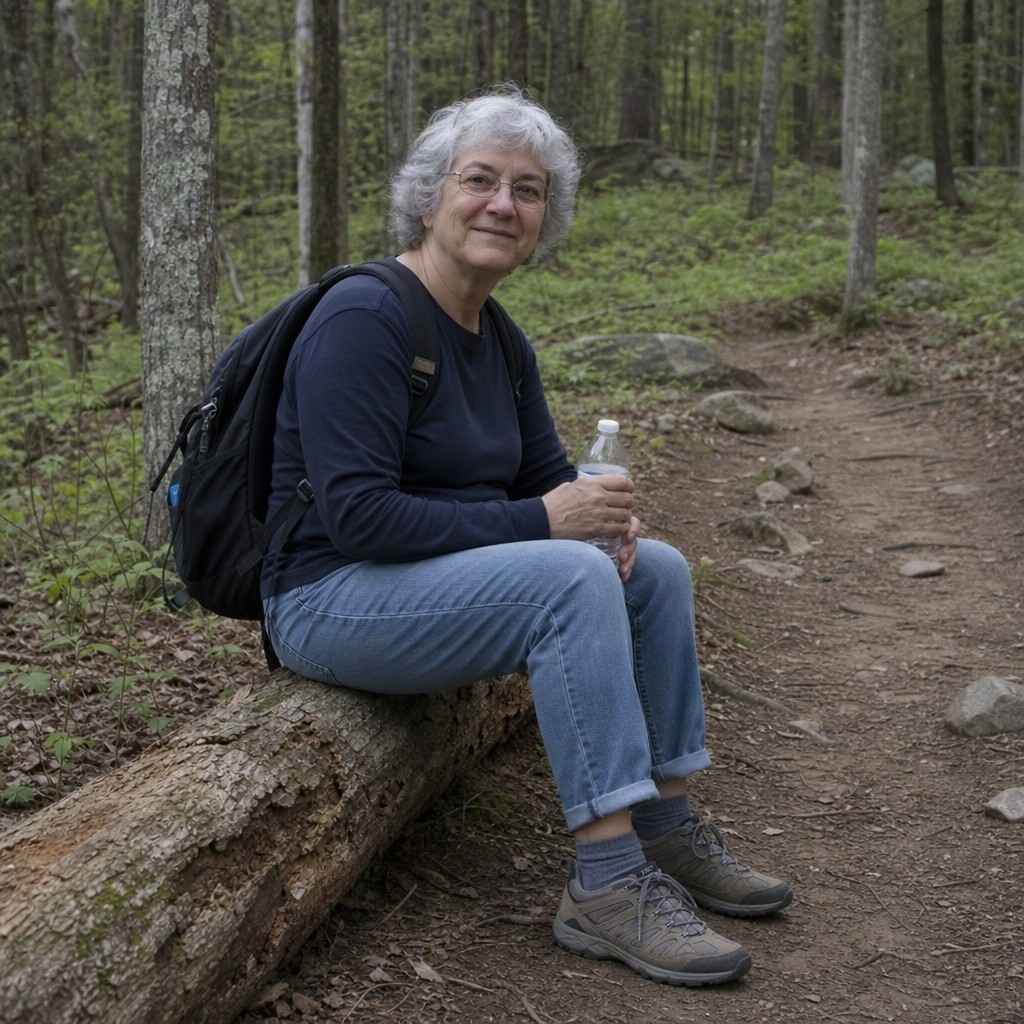
I try to check in with myself during a walk rather than waiting until I feel rough.
A few things I watch for:
- Dry mouth or a dull headache. Usually my first signal to drink more
- Urine color. Pale and straw-colored is what you are after; darker suggests more fluids
- Feeling more tired or foggy than the effort warrants. Sometimes a few sips fixes it faster than you would expect
- Dizziness or lightheadedness. Time to stop, sit in the shade, and drink slowly; if it persists, head back or ask for help
None of this is a substitute for medical judgment. But paying attention to these simple signals has helped me catch the early edge of feeling off before it became a real problem.
Before You Head Out
A little preparation goes further than trying to catch up on the trail.
Arriving at the trailhead already hydrated makes the whole outing easier.
I drink a full glass of water before I leave the house, especially on warm days or if I have had a lot of coffee that morning. Then I make sure my water bottle or hydration pack is topped off.
- Bring more water than you think you will need
- Pack an electrolyte source for anything over an hour
- If it is hot or sunny, factor that in and bring extra
The walking benefits I have noticed since I started doing this regularly are real, and hydration is part of what makes those benefits stick rather than leaving you wiped out after every outing.
After the Walk
Rehydrating after you finish is easy to forget because you are already home and moving on with the day.
Drink something with water and a light electrolyte balance in the first half hour after you get back.
A glass of water with an electrolyte tablet, a sports drink, or just water alongside a snack with a little salt all work. Your body continues to balance fluids after you stop walking, and a small amount of attention here tends to reduce the afternoon fatigue I used to feel after longer hikes.
Keep It Simple
The goal here is not a complicated protocol. It is just a handful of small habits that add up.
Drink on a schedule. Bring more than enough water. Add electrolytes on longer days in warm weather. Pay attention to how you feel. Talk to your doctor if you have any health concerns.
Getting outside more is one of the better things I have done for myself at this stage of life. The outdoor photography habits that keep me going out regularly are part of what makes hydration feel worth the attention. The trail looks a lot better when you feel good on it.