Golden hour is not an hour. It is any stretch of time when the sun sits low enough to turn the light warm and the shadows long.
It is also not only a sunrise thing. The evening gives you the same light once the day has cooled, for the cost of a walk after dinner.
Evening golden hour is the easiest good light you will ever get, because it needs no alarm.
Here is what that light does well, what it does badly, and the phone habits that keep it.
Golden Hour Means Low Sun, Not a Fixed Hour
The name is the problem. It suggests a fixed hour at dawn, and it is neither.
What makes the light golden is the low sun. Near the horizon, sunlight passes through much more air before it reaches you.
That extra air scatters the cool tones and lets the warm ones through.
How long it lasts depends on the season and how far north you live. Summer sun drops steeply, so the gold is brief. Winter sun slides along the horizon, so it lingers.
Golden hour is a condition of low sun, not a time on the clock.
The morning version is the same light with an alarm attached. If you want it, you can photograph a sunrise without waking up too early once you plan ahead.
When the Low Sun Genuinely Helps
Low sun is side light and back light. It comes across the scene instead of down onto it, and that direction is why it works on these subjects:
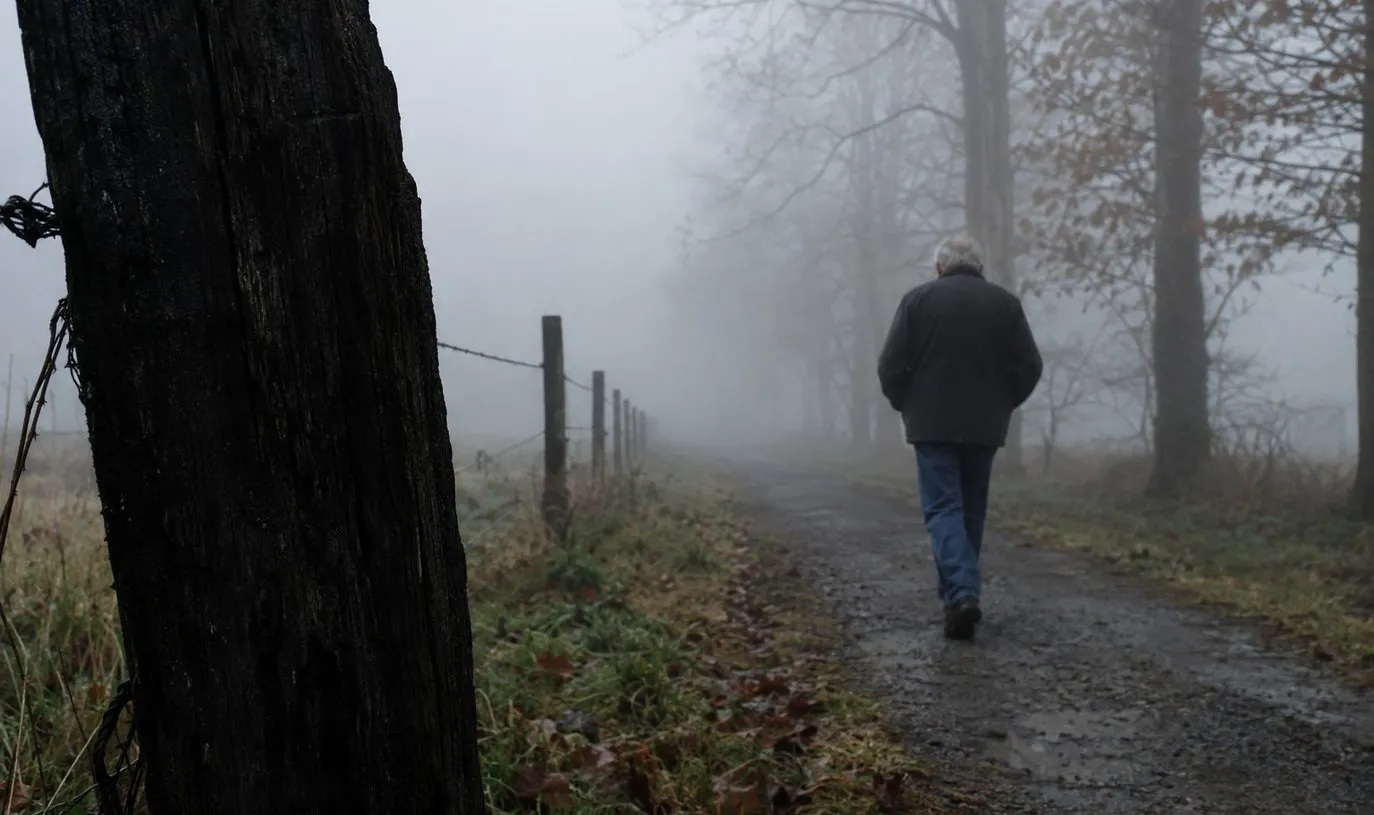
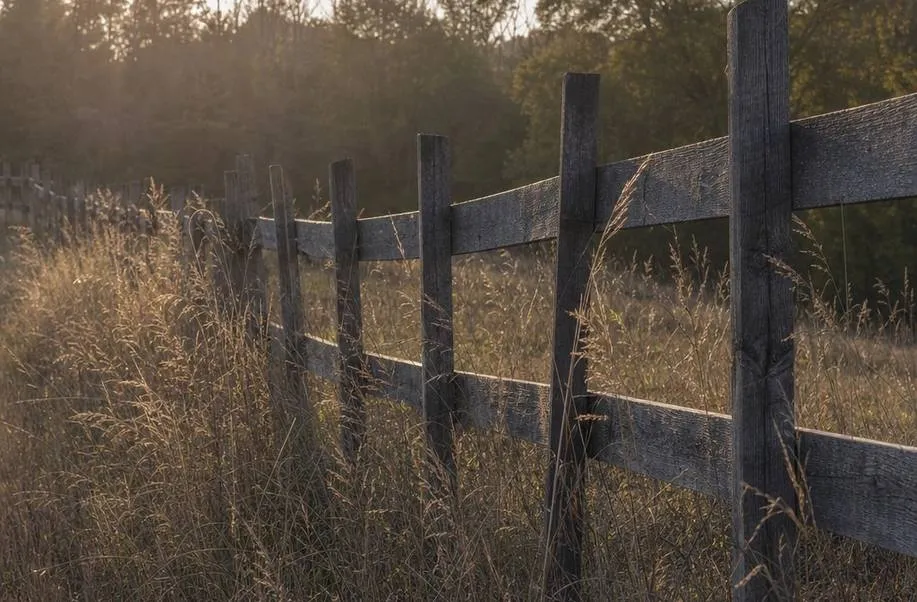
- Anything with texture. Low light across bark, stone, or a weathered fence shows every bump.
- Grasses and seed heads. Backlit, they glow from inside.
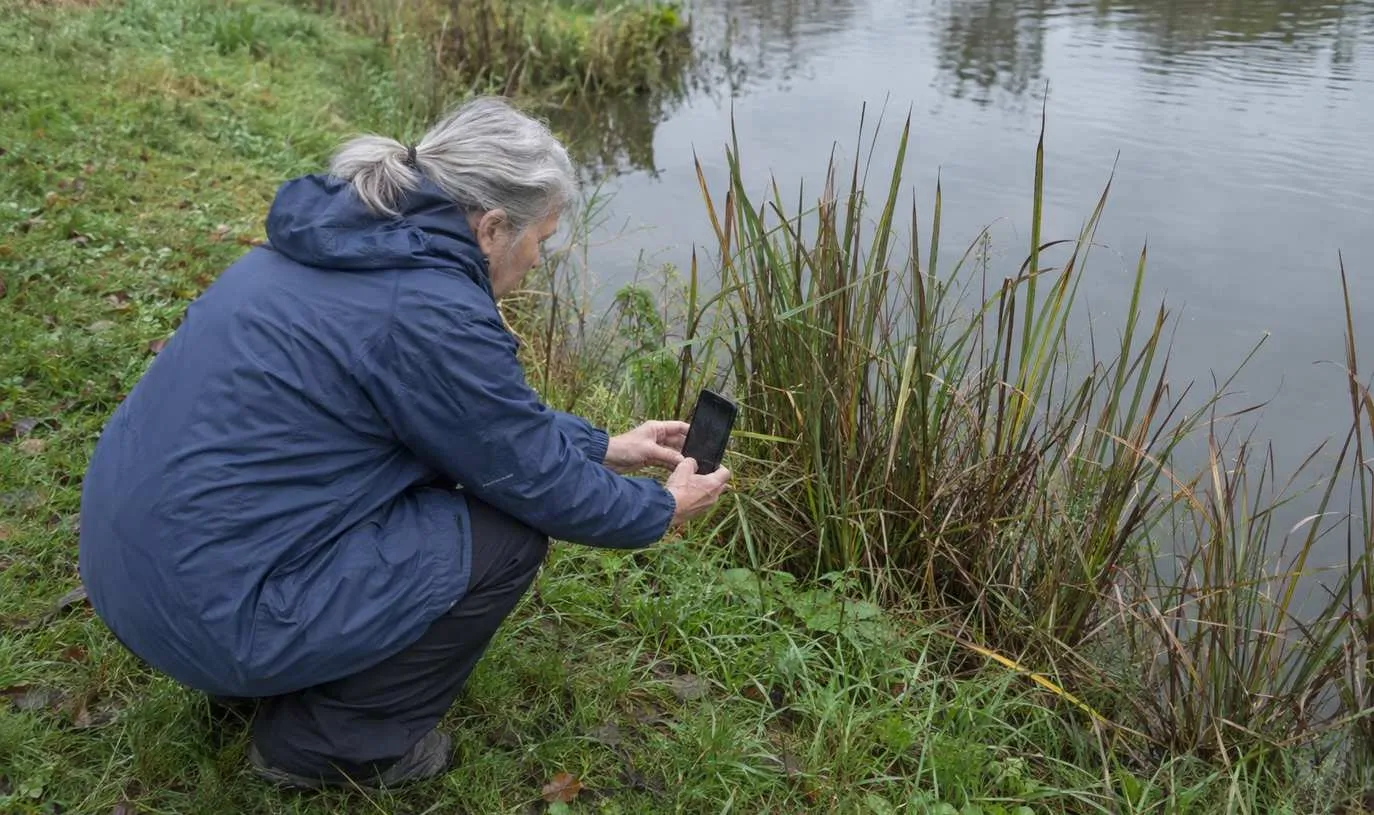
- Water. A pond or a river picks up the sky’s color and doubles it.
- Buildings. One warm wall against a cool shadow is a photo by itself.
- A person with the sun behind them. The light traces their outline and softens the face.
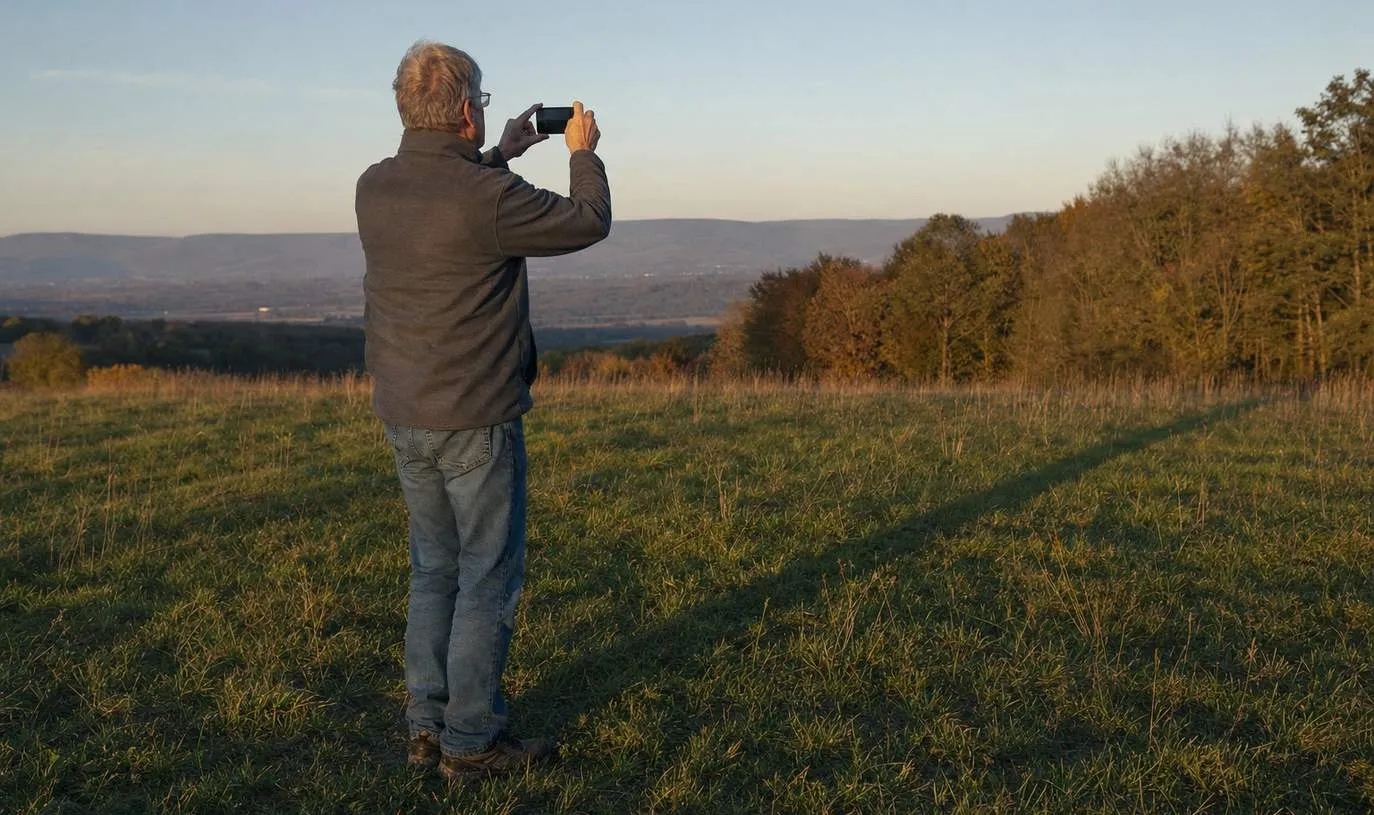
This is the light to look for when capturing scenic landscapes, because it separates the layers.
Shoot into the sun for glow and across it for texture, and let the shadows stay.
The long shadows are half of what you came for. A shadow crossing the frame gives the photo a shape, and placing lines is the heart of simple composition.
When Overcast Light Wins
Now the honest part, because golden hour gets oversold.
Good light is free and forgiving. A cloudy sky often gives you gentler, more usable light than full sun.
Golden hour also needs a visible sun. A gray evening means no golden hour tonight.
Some subjects do better under a gray sky:
- Flowers. Even light keeps the color true instead of washing out bright petals.
- Forest interiors. Cloud cover evens out the bright patches and deep shade under leaves.
- Faces in front light. No squinting, no hard shadow across the eyes.
- Anything with fine detail that harsh contrast would swallow.
Golden hour is not better light. It is different light, and it suits some subjects and not others.
Low sun still comes from one side. On a face, it makes hard shadows that rarely look good.
Reach for golden hour when texture, glow, or shadow is the point. Reach for overcast when the subject is color or fine detail.
Phone Habits That Keep the Warmth
A backlit field can glow to the eye. The phone may give you a pale, flat photo with the orange gone.
Two automatic settings cause this. Auto exposure, the phone’s decision about how bright the photo should be, drags everything toward a middle brightness.
Auto white balance, the setting that decides how warm or cool colors look, treats gold as a mistake.
The fix is three small moves on the normal camera screen, no manual mode, no new app:
- Tap the brightest part of the sky. The phone then bases its brightness decision on the sky, not the dark ground.
- Drag the brightness down. Slide your finger down until the warm color comes back and the image looks slightly dark.
- Check what HDR did. HDR, a mode that blends a few exposures so sky and shadows keep detail, can smooth that contrast into gray.
If your phone can switch HDR off, try one shot each way. Leave the shadows dark, because they are the shape in the photo.
Phones automatically correct golden hour into something ordinary. Tap the sky, drag down, and the gold comes back.
Shooting Toward the Sun
Shooting straight down a street into the low sun can leave every frame with a row of pale blobs.
A lens smeared from a pocket is often the cause, because a low sun turns a smear into glowing haze. Wipe the lens on your shirt before every walk.
A clean lens still flares when the sun is inside the frame. Slide the sun to the left or right edge, or just outside it, and let the light come from the side.
Wipe the lens first, then keep the sun near the edge of the frame, not its center.
One caution on rough ground. Facing a low sun keeps your eyes on a bright screen and off the ground, and that is when falls happen while shooting outdoors.
Stay for the Blue Hour
The light does not end when the sun drops out of sight. For a while after, the whole sky glows blue.
Photographers call it the blue hour, which is also not really an hour. It is the short stretch after sunset when the sky becomes your light source.
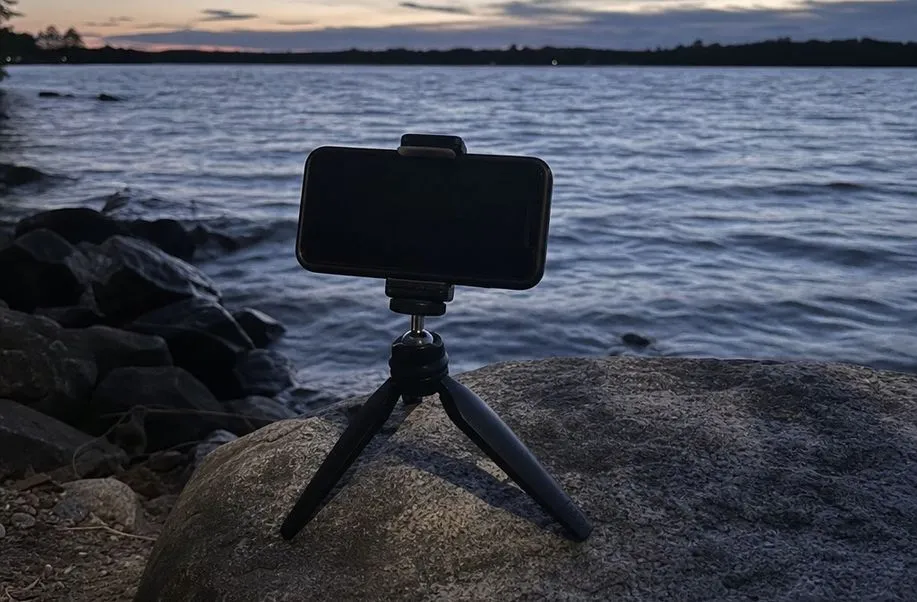
The difficulty is how little light is left. The phone captures each photo over a longer time, and any shake during that time shows up.
Stay past sunset and shoot the blue hour too, with the phone braced on something solid.
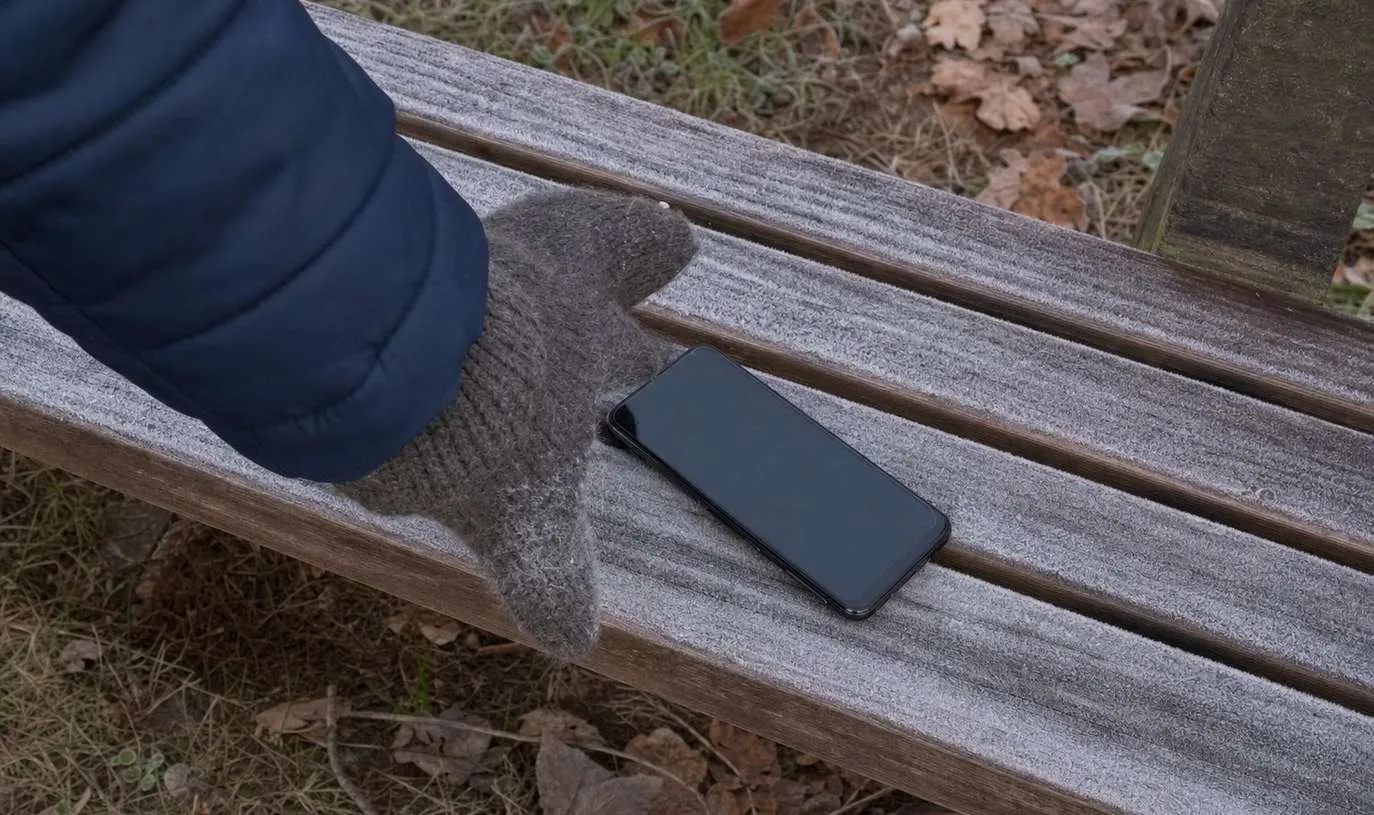
Of all the cheap phone photography accessories, a small tripod mount is the one that matters here. Set it on a bench or a fence post, and the blue hour becomes easy.
Do This Tonight
You do not need a special occasion. The next golden hour starts this evening, near where you live.
Look up tonight’s sunset time, pick any spot with open sky to the west, and be there forty minutes early.
Wipe the lens on your way out the door. The timing does more for the photo than any gear would.
Then walk west and see what the low sun does to your own street.