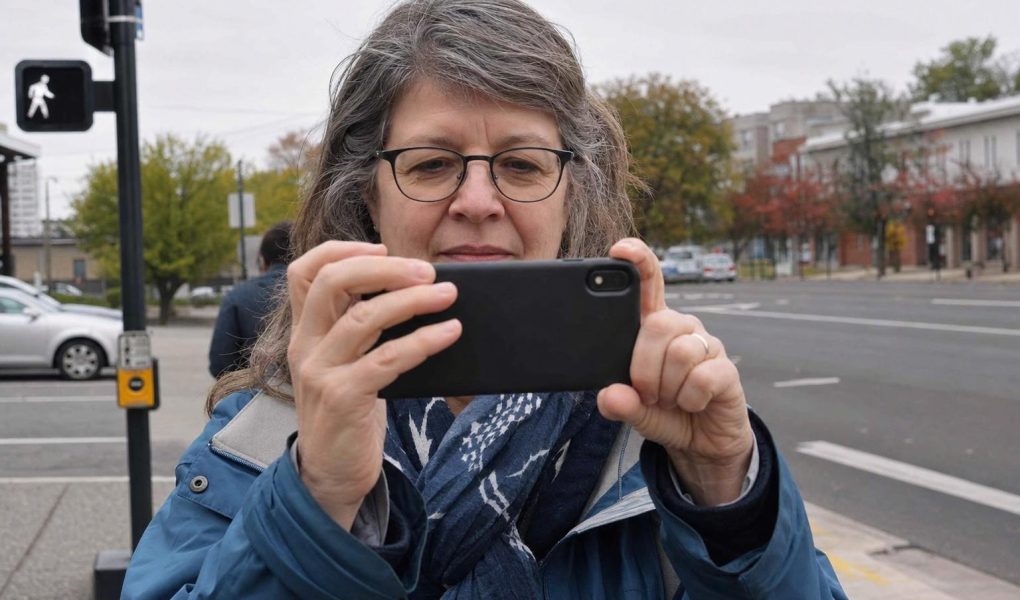
My phone photos used to disappoint me. Not dramatically. They were fine. But they didn’t look like what I’d actually seen out there.
Technique beats gear, every time. Better habits, not a better phone, are what changed my results.
Here are the seven things I kept coming back to.
Wipe the Lens First
This one sounds obvious. It isn’t.
A dirty lens turns bright light into haze and soft edges, and most of us never notice. The phone lives in a pocket or a bag. The lens picks up fingerprints and dust every single day. Wiping it before you shoot is the closest thing to a free upgrade you will find.
A small microfiber cloth is ideal. A shirt corner works when you’re out on a trail.
Tap the Screen to Set Exposure
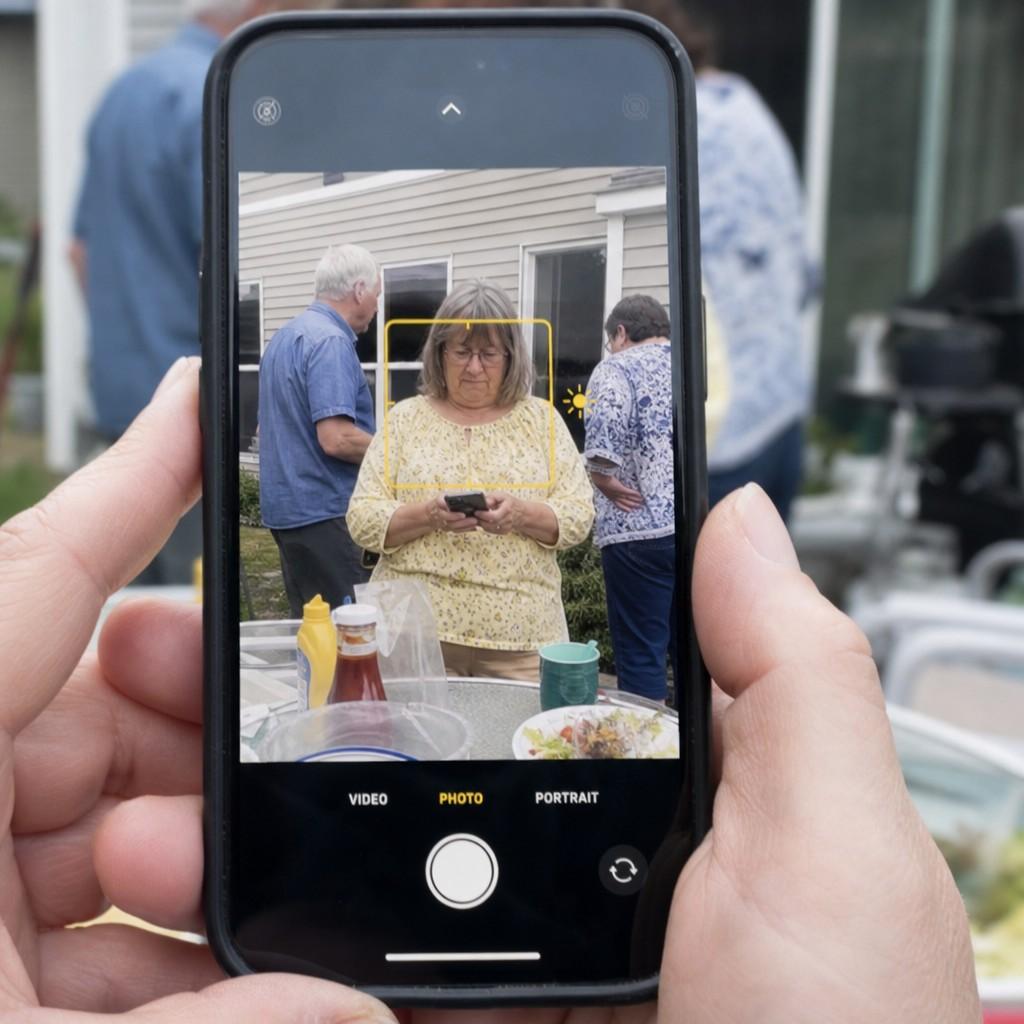
Your phone camera doesn’t always focus on what you want to photograph.
Tap directly on your subject, and the camera locks exposure and focus there. Tap on a face and it brightens the face. Tap on a bright sky and the foreground darkens. This one habit alone fixes the “everything washed out” or “my subject is too dark” problem most beginners blame on the phone itself.
Try it once and you’ll do it every time.
Turn On the Grid and Move Things Off Center
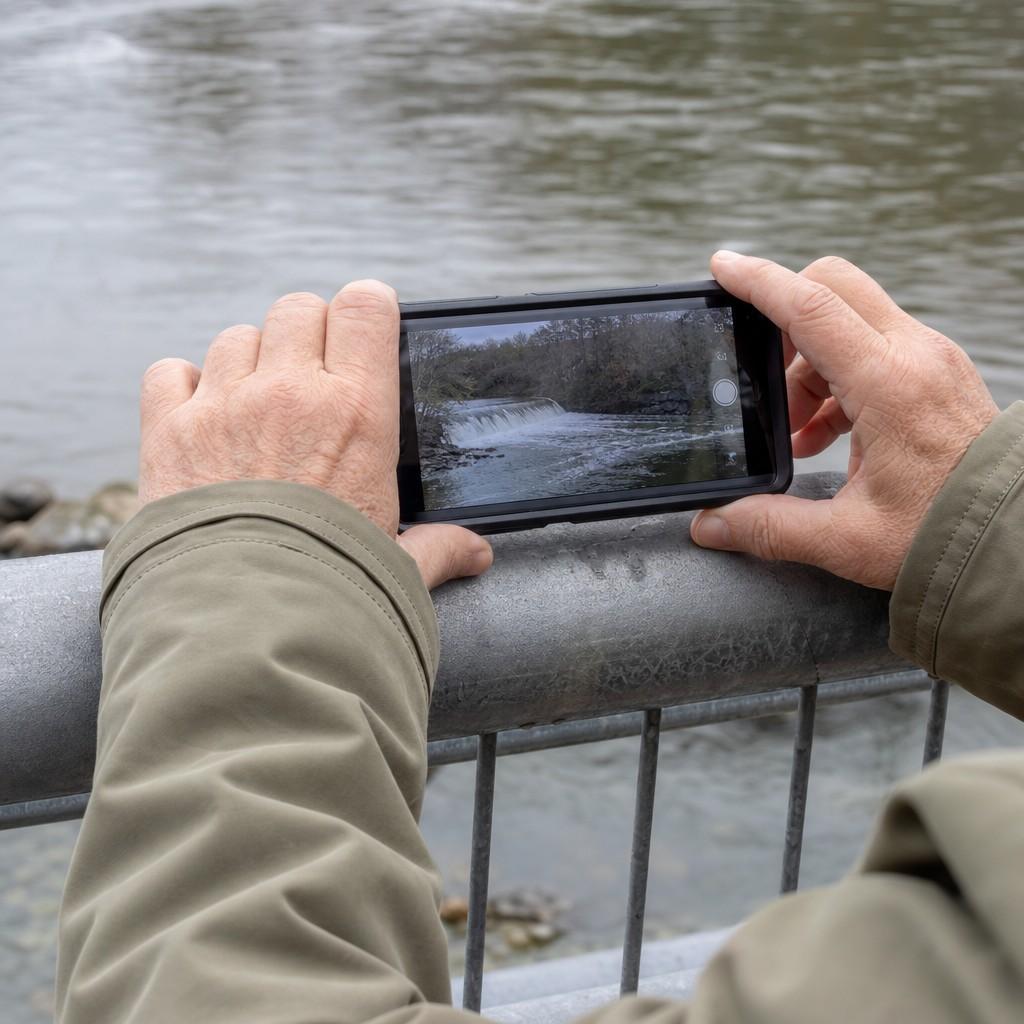
The grid splits your screen into thirds. Enable it in your camera settings. It takes about 30 seconds.
Stop putting the main subject dead center. Nudge the horizon to the top or bottom line. Place what you’re shooting where two grid lines cross.
Rule of thirds sounds like photography school. It just means: off-center feels more natural to look at. That’s the whole rule.
This pairs well with the wider composition habits I cover in my guide to simple composition rules.
Move Your Feet
Before you tap the shutter, take a few steps.
Moving your body changes the photo more than any setting or filter. Crouch low and a subject gets weight. Step sideways and a cluttered background clears. Walk three steps closer and the boring edges fall out of the frame entirely.
A phone held at standing eye-level, from wherever you happened to stop, gives you the same flat angle as everyone else. Moving is free and it works.
Watch the Light
The same spot looks different depending on when you shoot it.
Harsh midday sun creates hard shadows and flat scenes. Overcast light is soft and even, and often better for photos than full sun. Early morning and late afternoon give you gentler, warmer light, but cloudy days are genuinely underrated and easier to work with.
I’ve started timing my walks around the light rather than around the weather forecast.
Check the Background Before You Shoot
Your eye locks onto the subject. The camera sees everything.
Before you press the button, scan the whole frame. A bright sign in the corner. A stray branch cutting through someone’s head. A trash can that wasn’t in the viewfinder until you got home. One small step left or right can clean all of that up in two seconds.
This habit shows up in nature shooting too, where a busy background fights the subject. I go deeper on that in my smartphone tips for nature photography.
Hold Steady (or Use a Mount)
Camera shake is invisible in the moment and obvious at home.
Keep your elbows tucked in, breathe out, and tap the shutter gently instead of jabbing it. For low-light shots or long still scenes, even a small flexible tripod mount makes a visible difference. It is the cheapest gear purchase that fixes a real problem.
For everything else worth buying (and the longer list of gimmicks to skip), my rundown of cheap phone accessories covers what actually earns its place in a bag.
None of these need an upgrade. They need a minute of attention before you shoot. Do them consistently and your phone starts making photos you’ll actually want to keep.