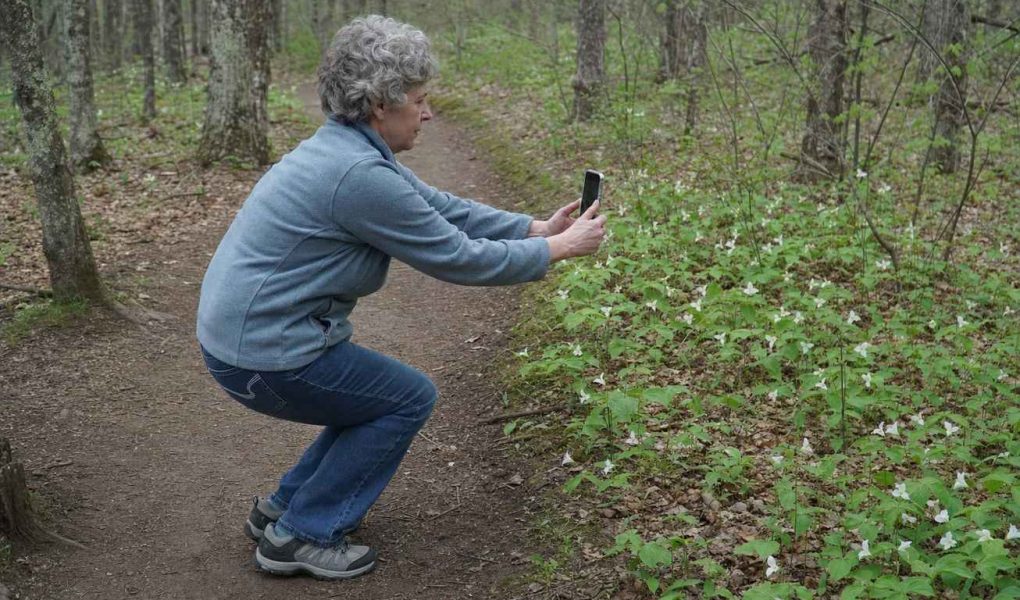
Most people think their outdoor photos look flat because of the camera. Almost always, it is the spot they stood in.
Where you stand and when you shoot matter more than what you spend.
I have proof of this in my own photo roll. My best shots came from cheap phones and a little patience. My worst came from standing in the first place I happened to stop.
Composition is a handful of simple habits, not a rulebook you have to memorize. Here are the few that did the most for me.
Move Your Feet Before You Tap the Screen

The fastest way to a better photo is also the cheapest. Take three steps.
Before you shoot, change your position on purpose. Crouch down low. Step to the side so a tree frames the edge. Walk closer until the boring stuff falls out of the frame.
A phone tucked against your eye-level, shot from wherever you stopped, gives you the same flat view everyone else has. Moving your body is the one adjustment no lens upgrade can replace.
If you do want to spend a little, put it toward a few cheap accessories that fix real problems, not a newer phone.
Use the Grid and the Rule of Thirds
Turn on your phone’s grid in the camera settings. It splits the frame into thirds, and it quietly fixes the most common beginner habit.
Stop putting everything dead center. Nudge the horizon up to the top line or down to the bottom one. Place your subject where two grid lines cross.
Rule of thirds sounds technical. It just means do not put everything in the middle, and the photo suddenly breathes.
That is the entire rule. Horizon off-center, subject off-center, and a scene that felt cramped starts to feel composed.
Find a Line That Leads the Eye
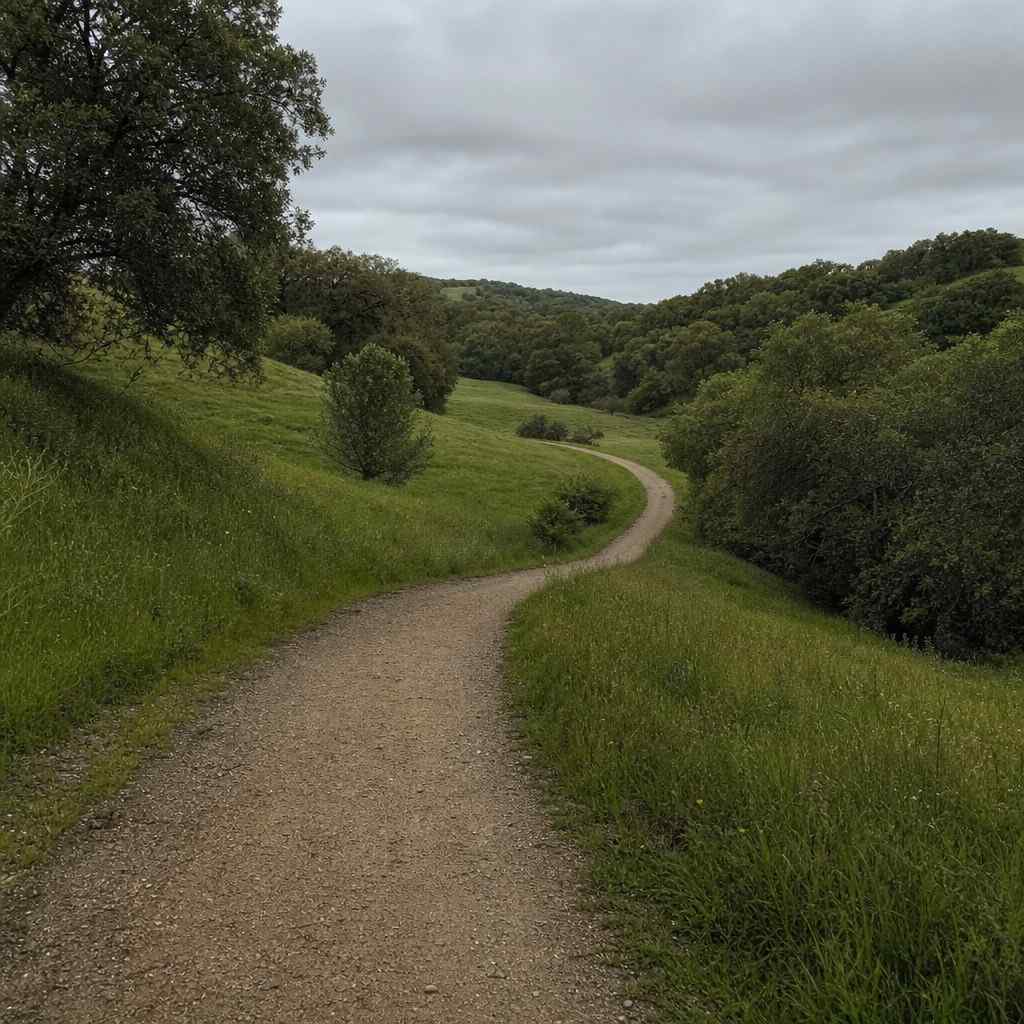
Your eye follows lines, so give it one. A path, a shoreline, a fence, a row of trees: all of these pull a viewer into the photo instead of leaving them stuck at the surface.
When I shoot a landscape, I look for one line first.
Then I stand so that line runs from a corner toward whatever I want you to look at. It is the same instinct I use when capturing scenic landscapes on a walk.
- A trail or path drawing back into the frame
- A lakeshore or river curving across it
- A fence or wall running toward a distant subject
Keep the Background Honest
A good subject can be ruined by a messy background. A bright sign, a stray branch, a trash can behind someone’s head.
Before you press the button, look at the whole frame, not just the subject. Then take one small step left or right to clean it up. This single habit lifts more photos than any filter.
It matters even more in close-up nature shots, where a busy background fights the subject. I cover a few more of those small fixes in my smartphone tips for nature.
Let the Light Decide When
Composition and timing work together. The same spot looks ordinary at noon and lovely in soft morning or evening light.
Overcast days are friendlier than bright sun, because flat light is even and forgiving.
If you want to practice all of this on a scene that rewards patience, an easy sunrise is a great place to start. You can do it without the painful 4am alarm.
None of this needs a better phone. It needs you to slow down, move a little, and look at the edges of the frame. Do that, and your ordinary phone starts making photos you want to keep.